Lucca Film Festival 2025: A Glimpse Into the Future of Cinema in a Timeless City
Thursday, September 18, 2025,
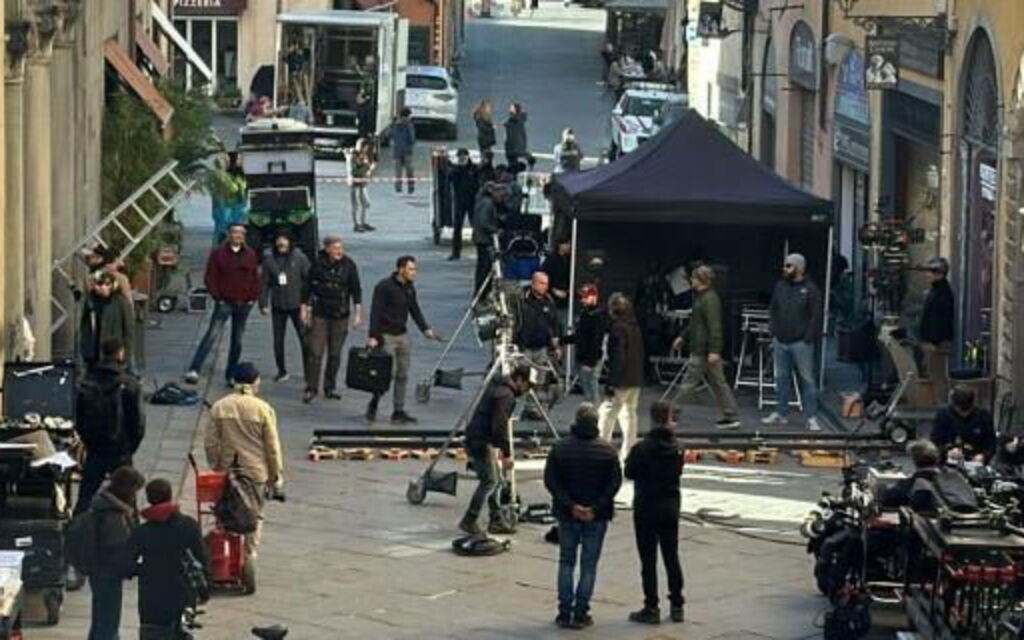
Lucca becomes a cinema capital with the 2025 Lucca Film Festival: global stars, premieres, art and live shows in the city’s historic center.
Nestled in the heart of Tuscany, the enchanting city of Lucca is quickly becoming one of Italy's most important cultural hubs, and the Lucca Film Festival is a testament to this transformation. Each year, the festival draws filmmakers, cinephiles, and industry professionals from around the world to experience not only the magic of cinema but the timeless beauty of this small, yet captivating city. In 2025, Lucca will host an even more spectacular edition, showcasing the city's growing influence on the international film scene.The Lucca Film Festival 2025, which takes place from September 20-28, is poised to be an unforgettable experience. With Kevin Spacey, a two-time Academy Award winner, as one of the major guests, the festival promises to be a significant event in the cinematic calendar. Spacey will kick off the festival by receiving the Lifetime Achievement Award and presenting his latest film, 1780, in a world premiere. This historical thriller, directed by Dustin Fairbanks, tells the gripping tale of a soldier during the American Revolutionary War, offering a stunning portrayal of loyalty, survival, and war.More Than Just a Film FestivalLucca is not only known for its spectacular medieval walls and historic center, but also for being a frequent backdrop for both Italian and international productions. Films like Tower Stories, featuring Dustin Hoffman, and the Rai TV series "L'altro ispettore" have found a home here, turning the city into an iconic cinematic set.This year, Lucca Effetto Cinema, a signature event of the festival, will turn the city's historic center into an open-air theater, featuring captivating performances, live projections, and thematic art installations that celebrate the great moments in film history. The event also invites locals and visitors alike to experience cinema in a completely immersive environment, making it an unforgettable part of the festival.International Guests and TalentsAside from Kevin Spacey, the festival's 21st edition will welcome an array of celebrated filmmakers and actors. Among them, Gianni Amelio, Michele Riondino, and Pietro Marcello will take the stage for masterclasses, film screenings, and discussions. With these distinguished guests, the festival creates an invaluable platform for cultural exchange, offering unique insights into the minds behind some of the most significant works in contemporary cinema.Additionally, the festival’s international competition will feature 12 feature films from across the globe, including titles that have already earned accolades at major film festivals such as Berlinale, Sundance, and Tribeca. The selection promises a diverse mix of personal, political, and poetic narratives, giving attendees a glimpse into the future of world cinema.A Focus on Sustainability in CinemaA highlight of this year's festival is the LFF for Future competition, which centers on environmental and social themes. This initiative reflects the growing importance of sustainability in the world of cinema, showcasing films that tackle pressing global issues. With support from companies like Sofidel, this section underlines the festival's commitment to combining art with activism.An Event for All AgesThe Lucca Film Festival isn’t just for industry professionals and cinephiles; it’s also dedicated to engaging with young audiences. This year, the festival continues its outreach to local schools through masterclasses, film projections, and workshops, including Scrivere Cinema, a screenwriting course for aspiring young filmmakers. These initiatives foster the next generation of storytellers, ensuring that the future of cinema remains bright.A New Chapter for LuccaThe Lucca Film Festival has grown over the years into a landmark event not only for the city but also for the Italian film scene. As the festival celebrates its 21st edition, it stands as a beacon of artistic innovation and a testament to the dynamic and thriving relationship between cinema and place. With prestigious guests, an exciting selection of films, and a rich cultural heritage, Lucca is quickly becoming a must-visit destination for anyone passionate about the world of cinema.Whether you're a long-time cinema enthusiast or a casual visitor looking to experience something unique, the Lucca Film Festival offers a rich and rewarding experience that blends the beauty of Tuscany with the magic of cinema. It’s clear: Lucca is no longer just a hidden gem—it’s a rising star in the global film world.Practical informationWhen: September 20–28, 2025Where: Lucca, historic center and city cinemasInfo: Free admission while seats lastwww.luccafilmfestival.it
Lucca Film Festival 2025: A Glimpse Into the Future of Cinema in a Timeless City: Read More
Renting Your Home to Tourists: Why Choosing a Professional Really Pays Off
Friday, September 5, 2025,
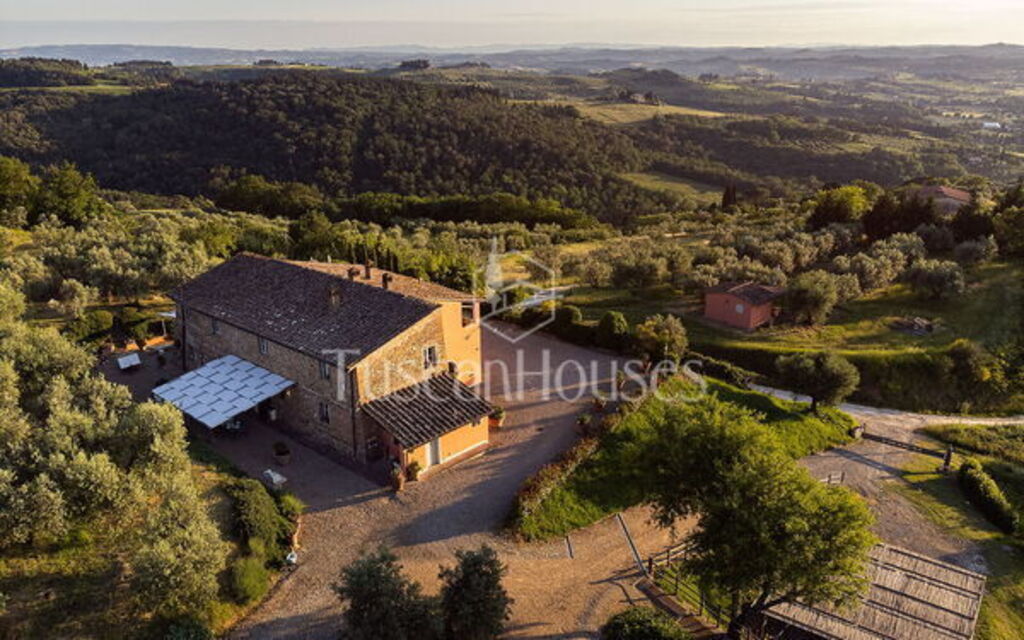
Thinking about renting your home to tourists? With Tuscanhouses, you get professional property management: from preparing your home to promoting it online, from check-in to cleaning. Turn your property into a hassle-free hospitality experience.
Renting out a room, a second home, or a vacation apartment can be a great source of income. But turning this idea into reality involves much more than just posting a listing online.That’s why relying on a professional makes all the difference.A Home Ready to WelcomeIt’s not enough to open the door and hand over the keys: today’s travelers expect comfort, cleanliness, and functionality.A professional ensures everything is in place — linens, kitchenware, working appliances, Wi-Fi, and more — making sure every detail helps your guest feel truly at home.Fully Compliant with the LawShort-term rental laws are strict and constantly evolving — from the CIN (National Identification Code) to energy certifications, fire extinguishers, gas detectors, and more.A professional knows all the legal requirements, keeps your property compliant, and helps you avoid unpleasant surprises or fines.Great Photos & Maximum Online VisibilityPhotos matter — especially when choosing where to stay on vacation.Professionals work with experienced photographers to showcase your home in the best light. They don’t just post an ad; they list your property on national and international platforms as well as their own website, ensuring it reaches the right audience.Stress-Free Cleaning & Check-InManaging cleanings, key handovers, arrivals, and departures can become a full-time job.A professional takes care of it all: check-in, check-out, housekeeping, linen changes — ensuring your home is always ready for the next guest, without you having to lift a finger.A Point of Contact for GuestsWelcoming a tourist means more than just providing a bed.Guests want to feel supported, guided, and safe. A professional provides all the necessary information about the home, the area, and available local experiences. And most importantly, they’re always available to handle any issues — from a broken appliance to last-minute questions or emergencies.Peace of Mind for the OwnerBy trusting a professional, your property becomes more appealing and profitable — and you gain peace of mind.No last-minute stress, no bureaucratic headaches, no logistical juggling: just the assurance that everything is handled with care and expertise.In Conclusion?Renting your home to tourists is a great opportunity — but doing it well requires time, experience, and organization.A professional helps you turn your property into a true hospitality experience, with no stress and the confidence of offering top-quality service.If you’re thinking of renting your home to tourists, contact Tuscanhouses – Holiday rentals in Tuscany & Lucca: your home could become the gateway to an unforgettable stay.
Renting Your Home to Tourists: Why Choosing a Professional Really Pays Off: Read More
Discover Tuscany: Your Guide to Lucca, Pisa, and Charming Villages
Monday, August 25, 2025,
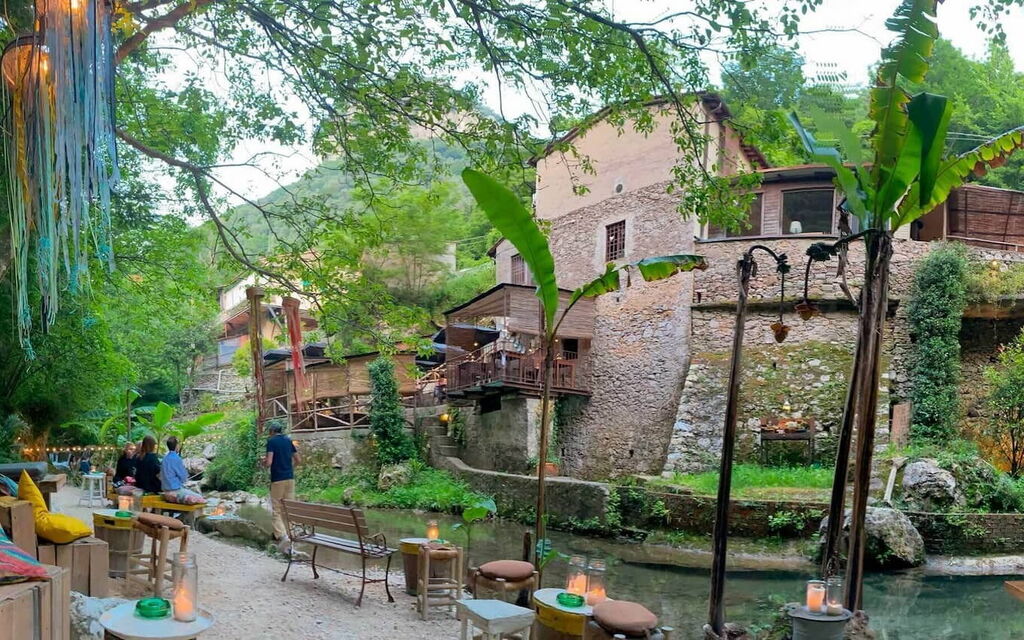
If you want to explore authentic Tuscany and make the most of every day, here are some tips to discover its most charming towns and villages while enjoying food, art, and unforgettable landscapes.
Lucca: a day among walls, towers, and local flavorsIt’s truly worth dedicating a full day to Lucca. The city can be explored on foot, but for a special experience we recommend renting a bike and riding along its ancient medieval walls — a unique route steeped in history and greenery.During your walk, stop at Felice in Via Buia for a slice of Cecina (a thin and crispy savory pie made with chickpea flour, water, oil, and a pinch of salt), and in Piazza San Michele to taste the traditional Buccellato, perhaps accompanied by a small glass of Biadina, a typical Lucchese liqueur, a herbal and quinine-based bitter, traditionally served with a handful of pine nuts in the glass to enhance its flavor. Its name comes from biada (animal fodder) bought by merchants at the Piazza San Michele market, where the liqueur originated in the 19th century thanks to a merchant named Tista.Don’t miss Lucca Cathedral with the Holy Face in Piazza San Martino, and the nearby Church of San Giovanni, where you can admire fascinating Roman excavations. Walking along Via Fillungo, you’ll reach Piazza Anfiteatro, perfect for a gelato or an aperitif.Climbing the Guinigi Tower offers an unforgettable view of the city, while the golden mosaic of San Frediano is a masterpiece not to be missed. A stroll through Piazza della Misericordia (known locally as Piazza della Pupporona) is perfect to cool off at the fountain. If you love gardens, Palazzo Pfanner and the Botanical Garden are both worth a visit.Lucca also offers excellent culinary options: from elegant restaurants like Gli Orti di Via Elisa, La Buca di Sant’Antonio, L’Imbuto, and Il Giglio, to the authentic atmosphere of Trattoria da Giulio.Pisa: a timeless iconA stop in Pisa is a must. The Leaning Tower, the Cathedral, and Piazza dei Miracoli are universal symbols of Tuscany and perfect spots for memorable photos.Charming villages and landscapes: Montecarlo, Vicopisano, and PeccioliFor a romantic village, Montecarlo is ideal for a dinner or a relaxed family evening. We recommend InCucina and Vecchio Olivo, and for a truly special experience there’s the Michelin-starred Forassiepi.For something different, visit Vicopisano with its Brunelleschi-designed walls, and if you love meat, don’t miss Macelleria Testi. Nearby, the village of Peccioli is delightful — we love stopping at Caffè Haus, a family-run trattoria where the food is excellent and you feel right at home.Music lovers can head to Lajatico, home to Andrea Bocelli’s iconic Teatro del Silenzio, where you can also enjoy a meal or an aperitif in the charming local restaurants and cafés.Pietrasanta: art, workshops, and the seaArt enthusiasts will love Pietrasanta, full of galleries, artisan shops, and a lively atmosphere. In the afternoon, head to Marina di Pietrasanta for some beach time, then return to town for dinner at restaurants like Filippo, Il Giglio, Pinocchio, or Marzocco. Pietrasanta has a special charm both by day and night.Unforgettable experiences: marble and sunsetsFor a different kind of adventure, don’t miss the Carrara marble quarries, where the landscape is breathtaking and the history of marble extraction fascinates both young and old.Camaiore gourmet tour!If you stroll through the historic center of Camaiore, you can’t miss some true culinary delights. Meat lovers will find paradise at Alan, where the family tradition has been passed down from father to son since 1873. If you’re a fan of fresh pasta, Ristopasta’s specialties will win you over at the first bite. And for those who love pairing great food with excellent wine, Cantine Angeli is a little gem in the heart of the city, perfect for a stop amid authentic flavors and a welcoming atmosphere. Eat and drink… at the top!Nestled in the small village of Metato, on the hills of Camaiore, Il Fondaccio can be reached only on foot and is perfect for a sunset dinner with a view. Alternatively, enjoy an aperitif and dinner at Osteria Candalla, on the riverbank, where the atmosphere is unique and enchanting. Wherever you decide to go, reservations are highly recommended!Where to stayTo make the most of Tuscany, here are some of our selected accommodations:Our houses in Lucca and surroundingsOur houses in Pisa and surroundingsOur houses in Versilia
Discover Tuscany: Your Guide to Lucca, Pisa, and Charming Villages: Read More