Tuscan Olive Oil: A Family Affair
Monday, October 19, 2026,
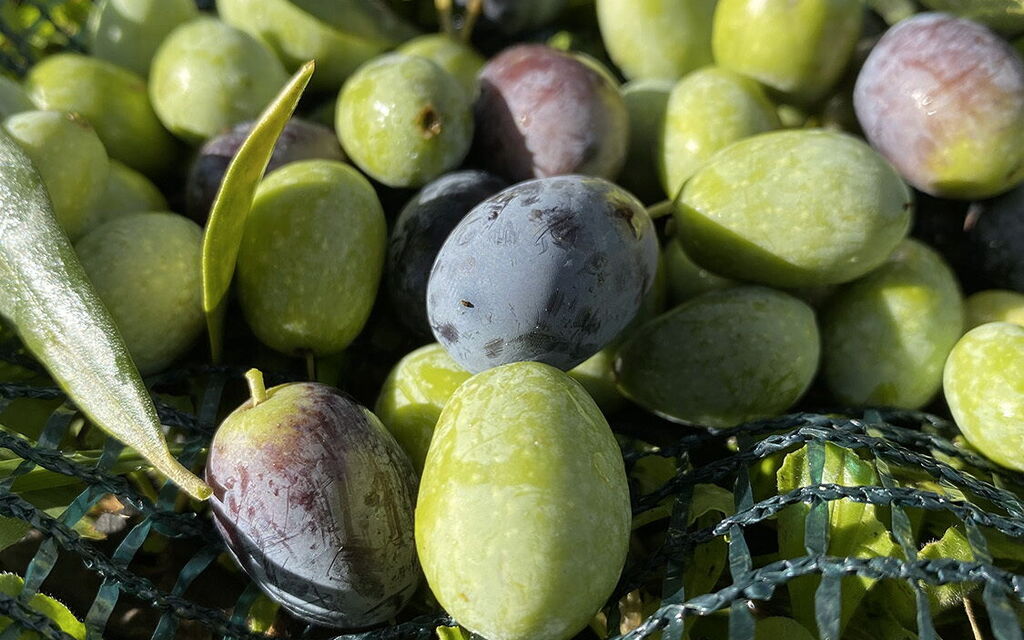
Discover the magic of olive harvesting in Tuscany: a cherished family ritual of community, mill visits, and fresh olive oil.
In Tuscany, the olive harvest is above all a family affair, an ancient ritual renewed year after year. It has nothing to do, naturally, with industrial scales, endless plantations, or giant machinery: here, we are talking about what happens around our countryside homes, in the small plots of land cared for with genuine love.With its sense of anticipation, togetherness, and pure joy of gathering, it is very much like our second Christmas.Every year, the harvest season is a bit of a gamble. In the past, harvesting took place in January; later, it moved up to November. Today, we know there is no single fixed date, but rather a perfect window that guarantees extraordinary quality, giving the new oil its signature fruity aroma and peppery kick.This shift is also due to changing weather patterns: with milder early-autumn temperatures, the olives detach more easily, slipping off the branches at the gentlest touch. So, as early as late August, we start watching the sky with a touch of anxiety. A single strong gust of wind or a sudden thunderstorm can wipe out half a year’s work in minutes.A time to harvest...As the date approaches, the same organizational machinery as the Christmas holidays kicks into gear. We inspect the branches to check ripeness, call the local olive mill to book a pressing slot, and call friends and relatives to assemble our harvest crew. Finding a date that works for everyone is an art in itself, but once locked in, the celebration begins.Preparing the land is the first step: the grass is freshly mowed, and nets are carefully spread under the trees just the day before picking. Some nets are small, tailored for a single tree, while others stretch out like endless bridal veils fluttering across the grass between ancient trunks.Once under the trees, everyone instinctively finds their place. Lower down, some prefer the slow, methodical pace of picking at head height: using plastic combs or bare hands, they strip the olives one by one, letting them drop into plastic buckets with a rhythmic "toc."Nearby, you hear the dull thud of wooden poles or the gentle hum of mechanical harvesters: the most energetic workers tackle the high canopy, sending a green and purple rain cascading down onto elevated nets designed to protect the fruit.Then there is always someone moving from tree to tree with a wooden ladder. That job goes to the most experienced gatherer—the one who isn’t afraid of heights and knows how to look the olive tree straight in the eye. From up high, they pick the last hidden olives among the leaves while taking the opportunity to prune stray branches or clear dead wood.In abundant years when branches bend under the weight of the fruit, hours fly by in a blur of shared chatter and satisfying work, and time never seems to be enough....and a time to be togetherThere is no harvest without someone dedicated to the kitchen every single day. They plan the menu, prepare a full homemade meal, judge the timing, and patiently wait for the entire crew to come to the table.If the autumn sun smiles upon us, long outdoor tables are laid out for a hearty, unpretentious meal smelling of freshly baked focaccia, comforting pasta dishes, and a homemade dessert to wrap things up in style. Everyone sits together to eat, share a glass of wine, and laugh, watching the crates fill up one by one. "How much oil will we make this year? Will it be as good as last year’s?" these are the questions that accompany these quiet moments before heading back out into the field.When the harvest days are over, the nets are folded, and excitement builds for the most thrilling stage. Stainless steel containers are scrubbed clean, crates are counted, and cars are packed to the brim.At the mill, the atmosphere is magical. If the yield has been good, we reserve an exclusive press run just for our batch. We wait eagerly, following every step of the process until the final moment: when the first stream of thick, bright green, incredibly fragrant olive oil begins to flow. The feeling is simply indescribable.Freshly pressed olive oil technically needs a brief resting period before tasting. But curiosity always wins, and the harvest season ends just as it started: around the dining table.Everyone who lent a hand is invited to the tasting dinner. At the center of the table sits the new oil in small clear carafes revealing its vibrant color. Very little is needed to highlight its flavor: warm toasted bread for classic "fettunta", fresh seasonal raw vegetables for pinzimonio, and a warm traditional soup. A good glass of Tuscan red wine and plenty of laughter do the rest.Now do you see why olive harvesting feels a bit like Christmas to us?It is far more than farm work: it is the warmth of family, the joy of sharing, and the authentic taste of our land renewed every autumn.Experience the harvest like a TuscanMany of our homes are surrounded by an olive grove. If you want to experience the magic of the harvest firsthand, book your home between October and November: you’ll discover the authentic rhythm of the countryside and what life during one of the most special times of the year in Tuscany is really like.Villa dell'Angelo - Lucca - 14 sleepsVilla dell'Angelo - Lucca - 8 sleepsCasa degli Olivi - Pisa - 5 sleepsVilla dei Fiori - Pistoia - 14 sleeps
Traditional Tuscan Cooking: Let's Learn How to Make Scarpaccia
Monday, September 21, 2026,
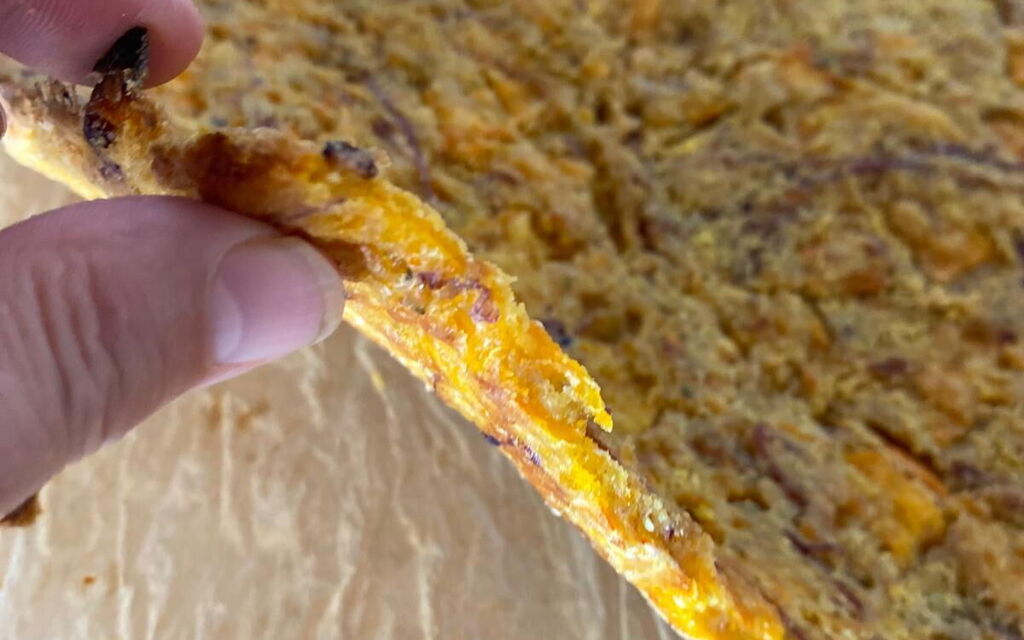
Thin, golden, with crispy edges that crackle under your teeth and a soft, flavorful center: you will fall in love with it at very first bite!
If there is a scent that captures the essence of Versilia, sun-drenched vegetable gardens, and homemade afternoon snacks, it is that of Scarpaccia.It has a strange name that translates literally to "old shoe", hardly sounding culinary at all! But don't let that fool you. Thin, golden, with crispy edges that crackle under your teeth and a soft, flavorful center: you will fall in love with it at very first bite!Born from the peasant wisdom of Camaiore, Scarpaccia is the true essence of Tuscan cucina povera: few seasonal ingredients, zero waste, and extraordinary taste. The secret lies in making the most of summer produce: zucchini, onions, and zucchini flowers. The real magic, however, lies in the method. No tap water, milk, or eggs are used: the batter is made exclusively using the natural liquid released by the vegetables themselves. The result? An explosion of authentic flavor held together by just a tiny amount of flour.Every local family has its own secret tweak, and if you ask around for a recipe, no one will give you exact measurements, only the list of ingredients. After all, traditional Tuscan cooking is done with your eyes, your hands, and your heart!Where to Eat It?Scarpaccia is such a comforting, homemade dish tied to family traditions that you will rarely find it on the menus of classic restaurants or trattorias. Instead, you can easily find it in local historic delis, bakeries, and butcher shops.However, if you want to enjoy it at its absolute crispies and freshest, the best thing to do is put on an apron and bake it at home. The recipe is simple, but it requires a little prep "ritual" that you simply cannot skip.The Recipe: How to Make Scarpaccia at HomeIngredients:Zucchini: 750 g / 1.6 lbs (very fresh and, if possible, with their blossom attached)Onions or spring onions: 1 or 2Type 1 or All-Purpose Flour: approx. 130 g / 1 cupCornmeal / Fine Polenta: as needed (the secret touch for extra crunch!)Extra virgin olive oil: generous drizzleSalt and black pepper: to tasteStep-by-Step Instructions:Precision Slicing: Wash the zucchini and slice them into paper-thin rounds (using a mandoline slicer makes this easy). Finely slice the onions and gently tear the zucchini flowers into pieces.The Key Phase (Resting): Place the vegetables in a large bowl and add salt. How much? Enough to draw out the water from the zucchini, but not too much, or the baked tart will end up overly salty. Massage the vegetables well with your hands and let them rest for at least 2 hours. To help this "magic" along, place a plate directly over the vegetables with a weight on top to press them down and release their juices.Batter "By Eye": After 2 hours, drain and gently squeeze the vegetables, reserving all the released liquid. Gradually add flour and the reserved liquid to the vegetables, stirring to prevent lumps. The exact amount of flour depends on the moisture released, but the golden rule of Camaiore's old masters is simple: use as little flour as possible. The mixture should barely bind the vegetables together, it should never turn into a dense, doughy cake!Spread and Season: Stir a generous drizzle of extra virgin olive oil into the mixture. Generously grease a wide, shallow baking tray (approx. 30x30 cm / 12x12 inches) and spread the mixture out: it must be very thin (about 1 cm / 0.4 inches). Level it with your hands, finish with a final swirl of olive oil over the top, and sprinkle generously with cornmeal.Bake for Crunch: Bake in a preheated ventilated oven at 200°–220°C (400°–425°F) for about 30–35 minutes. It is ready when the surface turns golden, crispy, and utterly irresistible. Once baked, finish with a fresh grating of black pepper.Pro-tip: Let it cool down to warm before cutting it into squares. It’s good hot, fantastic warm, and simply divine the next day!Scarpaccia 365 Days a YearWhile you can make it in any season, the true golden season for the traditional Camaiore version is when local gardens yield small, firm, flavorful zucchini with little water content, still wearing their bright flowers. Using them super fresh is the real secret to achieving a perfect bake and that signature crispy texture.That said, Scarpaccia can be enjoyed all year round! The pumpkin/butternut squash version in autumn and winter is a true delicacy (super sweet and crunchy!), while in summer, a variation made with drained ripe tomatoes delivers a deliciously tangy and aromatic punch.In short, just follow the golden rule: thinly sliced vegetables, a salted rest to create the batter liquid, and a well-oiled tray. You’ll have a deliciously crunchy Scarpaccia in any season!Where to Buy It in CamaioreIf you want to go straight to the experts for a quick bite after the beach, keep these historic spots in Camaiore in mind for authentic, artisan Scarpaccia:Gastronomia Il Merlo (Frati area, Camaiore)Gastronomia Da Nicola (opposite the public swimming pools)Norcineria Bonuccelli (in Via di Mezzo)Formaggeria Bagnoli (Via Italica, Lido di Camaiore)Pair it with a glass of chilled Vermentino dei Colli di Luni and savor the true taste of Versilia!The Scarpaccia "of Discord": Camaiore vs. ViareggioOne final piece of advice: be careful not to stray too far from Camaiore! Travelling just a few miles down the road brings you right into a heated local rivalry.While in Camaiore Scarpaccia is strictly savory, rustic, and seasoned with pepper, in neighboring Viareggio you will find a sweet version, where sugar and sometimes vanilla flavoring are added to the zucchini batter!Locals in Camaiore fiercely defend their savory version as the one and only original, but to truly understand both sides of the coast, the best thing to do is taste both and decide where your loyalty lies!
Traditional Tuscan Cooking: Let's Learn How to Make Scarpaccia: Read More
Vicopisano & Buti Festivals 2026: Authentic Tuscan Food, Traditions and Medieval Charm
Saturday, June 20, 2026,
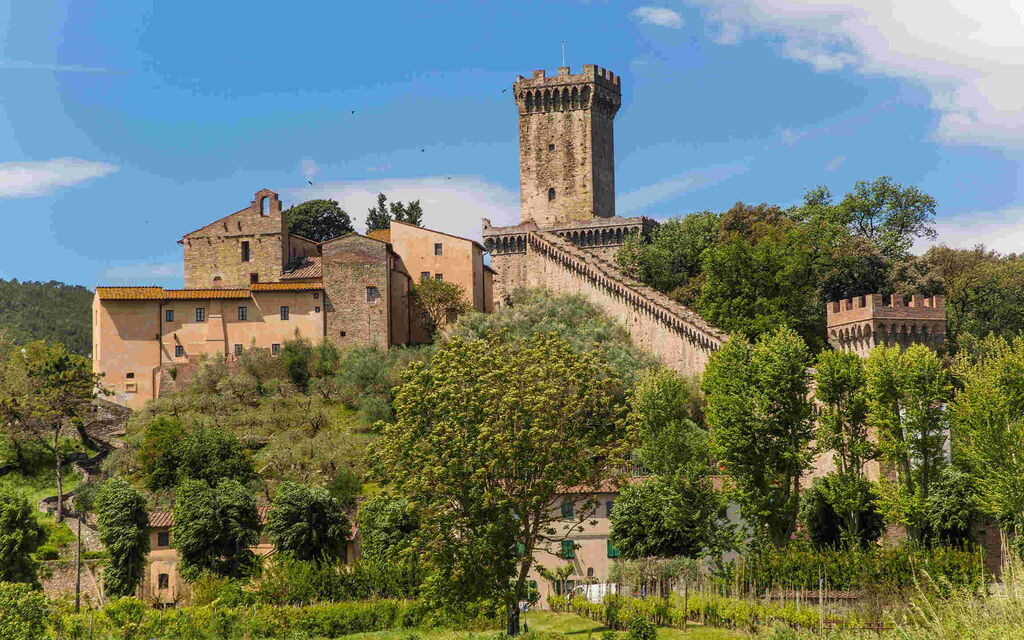
Vicopisano & Buti Festivals 2026: Authentic Tuscan Food, Traditions and Medieval Charm
If you are looking for a quieter, more authentic side of Tuscany, the area between Vicopisano, Buti, Cascine di Buti, Santa Maria a Monte and the Valdera offers a wonderful surprise.Away from the busiest tourist destinations, these villages still celebrate the seasons with traditional festivals organised by local communities. Homemade food, live music, regional wines and recipes passed down through generations create an atmosphere that feels genuinely Tuscan.This is where you discover the Tuscany that locals know and love.To learn more about the tradition of Tuscan village festivals, we also recommend reading our complete guide:Tuscany Village Festivals 2026: The Tuscanhouses Guide to Experiencing Tuscany Like a LocalJune 2026Farmers' FestivalLocation: Cascine di ButiDates: June 12–14, 2026Celebrate the flavours of rural Tuscany with homemade soups, salt cod, traditional country cooking and genuine village hospitality.Fried Dough FestivalLocation: Quattro Strade di PerignanoDates: June 13–21, 2026A local favourite dedicated to freshly fried dough, one of Tuscany's simplest and most delicious traditional street foods.Tripe FestivalLocation: Cerretti, Santa Maria a MonteDates: June 19–28, 2026One of Tuscany's oldest culinary traditions comes to life during this festival, where tripe is prepared according to recipes preserved by local families for generations.Chicken & Tuscan Soup FestivalLocation: ButiDates: June 12–21, 2026A classic village festival combining grilled chicken with the famous Tuscan bread soup in a relaxed and welcoming atmosphere.July 2026Stringozzi with Cinta Senese FestivalLocation: ButiDates: Late June – Early JulyFresh handmade pasta meets the renowned Cinta Senese pork, creating one of the area's most authentic culinary experiences.Frog FestivalLocation: Cascine di ButiOne of the oldest food festivals in the area, celebrating a unique local speciality that has long been part of the rural culinary tradition.Porchetta, Pork Knuckle & Craft Beer FestivalLocation: ButiDates: July 10–19, 2026Slow-roasted pork, craft beer, live entertainment and summer evenings full of local atmosphere make this one of the liveliest festivals of the season.Paella & Sangria FestivalLocation: Cascine di ButiDates: July 10–19, 2026Although inspired by Spanish flavours, this cheerful celebration has become a favourite summer event among local residents and visitors alike.Maccheroni FestivalLocation: ButiDates: July 24–26, 2026Fresh homemade pasta takes centre stage during one of Buti's longest-running and most popular food festivals.Porcini Mushroom FestivalLocation: Cascine di ButiFrom: 25 July - 3 Aug 2026One of Tuscany's favourite seasonal ingredients is celebrated through a wide variety of traditional recipes, from handmade pasta to grilled specialities.August 2026August is the perfect month to discover the rich flavours of Tuscan country cooking. Wild mushrooms, handmade pasta, game meat and local traditions take centre stage throughout the area.Pappardelle & Fried Rabbit FestivalLocation: ButiHomemade pappardelle and crispy fried rabbit are among the traditional dishes that make this festival a favourite with local families.Wild Boar FestivalLocation: ButiDates: August 21–30, 2026Wild boar has always been one of the defining flavours of Tuscan country cooking. This festival offers generous portions, traditional recipes and a wonderfully authentic atmosphere.Fish & Sports FestivalLocation: Uliveto TermeThroughout AugustFresh seafood, outdoor dining, live entertainment and community celebrations make this one of the area's most enjoyable summer events.September 2026Maccheroni FestivalLocation: ButiDates: September 4–6, 2026The final weekend of the Maccheroni Festival closes the summer with another celebration of homemade pasta and Tuscan hospitality.Vicopisano Medieval FestivalLocation: VicopisanoDates: September 5–6, 2026The beautiful medieval village of Vicopisano becomes an open-air journey through history.Knights, musicians, artisans, medieval markets and historical reenactments fill the streets, while the impressive Brunelleschi Fortress overlooks the celebrations.Visitors can enjoy traditional taverns, historical performances and the famous Medieval Dinner, making this one of Tuscany's most atmospheric historical festivals.If you choose just one event in this area, make it this one.Where to Stay to Explore Vicopisano and the ValderaMany of these events are located just a short drive from Tuscanhouses properties.
These properties are perfectly located for exploring Vicopisano, Buti, the Valdera and the surrounding countryside. We particularly recommend:
Casa Di DanteCasa degli Olivi di Dante Casa Dei Gigli di DanteOur team will be delighted to help you discover the most authentic corners of Tuscany.Because the best travel memories are often created far from the busiest tourist routes.
Have You Found Your Tuscan Retreat Yet?The music fades.The village squares become quiet once again.The scent of wood-fired cooking slowly disappears into the evening air.But the memories of these authentic Tuscan celebrations remain forever.Discover our carefully selected villas and holiday homes and experience Tuscany through the eyes of those who call it home.Explore Tuscanhouses Properties.Your next Tuscan adventure begins here.
These properties are perfectly located for exploring Vicopisano, Buti, the Valdera and the surrounding countryside. We particularly recommend:
Casa Di DanteCasa degli Olivi di Dante Casa Dei Gigli di DanteOur team will be delighted to help you discover the most authentic corners of Tuscany.Because the best travel memories are often created far from the busiest tourist routes.
Have You Found Your Tuscan Retreat Yet?The music fades.The village squares become quiet once again.The scent of wood-fired cooking slowly disappears into the evening air.But the memories of these authentic Tuscan celebrations remain forever.Discover our carefully selected villas and holiday homes and experience Tuscany through the eyes of those who call it home.Explore Tuscanhouses Properties.Your next Tuscan adventure begins here.
Vicopisano & Buti Festivals 2026: Authentic Tuscan Food, Traditions and Medieval Charm: Read More