Spring in Tuscany: Markets, Villages and the Best of the Season
Thursday, April 23, 2026,
Before the crowds, after the grey: April and May in Tuscany are the best-kept secret
Why spring (here) works better
In summer, Tuscany is stunning, but it’s also predictable.
In spring, it’s not. Days gradually grow longer, just enough to stay outside without checking the time. Temperatures are perfect for walking, sitting in the sun, moving around without needing shelter. The rush stops being a priority.
And in all this, normal life makes the difference. You notice it when you walk into a café, where the customers are the regulars. Or strolling through market stalls where people no longer hurry away, but browse slowly, choosing with care.And it’s in this exact moment that you understand: spring is the best time to be in Tuscany.
No hit-and-run tourism, no forced pace. Fewer crowds, easier travel, restaurants accessible without long waits, a more relaxed rhythm—and often, lower costs.
In this more livable Tuscany, even finding a good place to stay is less complicated than in peak season.
Markets, from the inside
Going to the market in Tuscany is a habit.
Weekly markets shape everyday life: fruit and vegetables, local products, clothing, household items. Every area has its own day, and the market moves with a precise rhythm from cities to smaller towns.
In cities, market days are often twice a week: in Lucca, Pisa and Pistoia, for example, every Wednesday and Saturday. In smaller towns, markets usually come once a week (Friday in Camaiore, Thursday in Viareggio, Saturday in Vico Pisano).
In Versilia, the Mercato del Forte is an institution. A reference point for those looking for quality clothing, cashmere, home linens, ceramics and objects—often at interesting prices. It takes place every Wednesday from 8:00 to 13:30 and, from spring to October, also on Sundays in Piazza Marconi in Forte dei Marmi.
Then there are the farmers’ markets. In Lucca, for example, every Saturday (from 7:00 to 13:00) at the Foro Boario you’ll find vegetables, fruit, grains, legumes, dairy products, eggs, meat—strictly seasonal and locally sourced. Properly made and brought directly by small local farms.
Antiques: dates to mark down
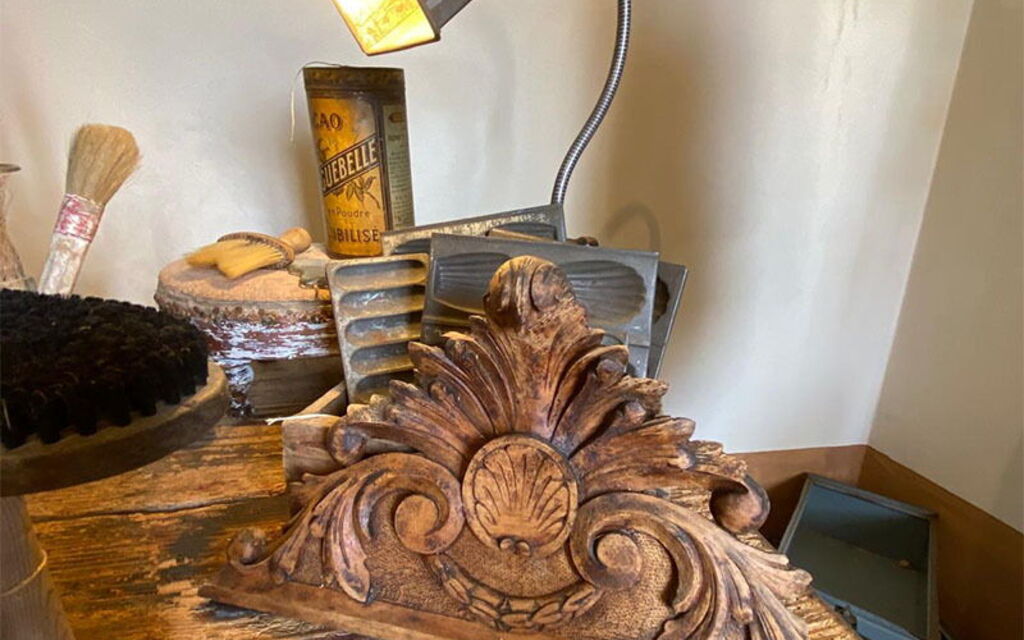
Alongside weekly markets, there are monthly antique fairs, which return in spring to enliven squares and historic centers.
Arezzo. Antiques Fair
Why go. The oldest and most prestigious in Italy. With over 200 exhibitors, you can find everything: objects, furnishings, period furniture, jewelry, rare books, prints, ceramics, coins, toys, vintage clothing, paintings, and collectible curiosities.When. First Sunday of the month and the Saturday before, in Piazza Grande and the historic center.
Lucca. Antiques Market
Why go. The stalls are set among Lucca’s historic squares and most charming corners, making it a great way to discover the city.When. Third Sunday of the month and the Saturday before, within the city walls (Piazza Antelminelli and surrounding areas).
Camaiore – Camaiore Antiqua
Why go. Created to enhance the area year-round, it’s a reference point for lovers of vintage, mid-century, and brocante.When. Fourth Saturday of the month (excluding July and August), in the pedestrian historic center.
Villages, before the pace changes
Villages and hilly areas are at their best in this season: Lucca and its surroundings, Garfagnana, Val d’Orcia, the countryside around Arezzo. Sometimes the best choice is to take a detour, follow a secondary road, stop somewhere unplanned.
You may find yourself in quiet streets, small squares, and silent buildings, towns born in the medieval era, overcrowded in summer but accessible and welcoming in spring. You might stumble upon a local festival or village celebration not even advertised, events designed more for those who live there than for visitors. And that’s exactly what makes them interesting.
Events worth not missing
Lucca – Saint Zita Flower and Sweets Festival
Why go. A celebration of spring that turns the historic center into a true garden, dedicated to the “Saint of Flowers.” Taking part means stepping into the heart of Lucca’s traditions: strolling through the colorful stalls of Piazza Anfiteatro, choosing plants and flowers, tasting the traditional dolci di erbi.When. April 23–27, 2026
Marlia (Lucca) – Marcia delle Ville
Why go. Set in the hills around Lucca, this walk (Saturday, April 25, 2026) crosses beautiful landscapes among historic residences and monumental villas open for the occasion. A different way to explore the area—through nature, architecture, and convivial stops.When. Saturday, April 25, 2026
Calcinaia (Pisa) – Sagra della Nozza
Why go. The culture of a place also passes through its food. For those who want to truly enter the rhythm of Tuscany, joining a food festival is always a good idea. These are simple but authentic moments, where food tells stories that have existed for generations.
The Sagra della Nozza is dedicated to a traditional rural sweet: a cone-shaped wafer flavored with anise and rosolio, enjoyed as it is or filled with whipped cream.When. May 16–17, 2026
Pistoia – Pistoia in Fiore
Why go. For two days, the streets in the heart of the city turn into a large open-air exhibition, with an extraordinary variety of plants, flowers, natural essences, garden accessories, and artisan creations.
When. Friday, May 22 and Saturday, May 23, 2026
A few practical tips
What to wear.
In Tuscany in spring, expect warm, sunny days but evenings that can still be crisp. The best approach is layering—or as they say in Tuscany, dressing “like an onion.” A T-shirt, a shirt, a sweater, and a windproof jacket, especially if you plan to spend the whole day outdoors.
And of course, comfortable shoes, always.
When to book.
April and May are no longer “in-between” months. They are increasingly in demand, especially by those looking for peace and quiet, so the best options sell out sooner than you might expect.
Spring is short, and more sought after than ever. If you’re planning a trip during this time, now is the right moment to find your villa in Tuscany, before the pace changes.
In summer, Tuscany is stunning, but it’s also predictable.
In spring, it’s not. Days gradually grow longer, just enough to stay outside without checking the time. Temperatures are perfect for walking, sitting in the sun, moving around without needing shelter. The rush stops being a priority.
And in all this, normal life makes the difference. You notice it when you walk into a café, where the customers are the regulars. Or strolling through market stalls where people no longer hurry away, but browse slowly, choosing with care.And it’s in this exact moment that you understand: spring is the best time to be in Tuscany.
No hit-and-run tourism, no forced pace. Fewer crowds, easier travel, restaurants accessible without long waits, a more relaxed rhythm—and often, lower costs.
In this more livable Tuscany, even finding a good place to stay is less complicated than in peak season.
Markets, from the inside
Going to the market in Tuscany is a habit.
Weekly markets shape everyday life: fruit and vegetables, local products, clothing, household items. Every area has its own day, and the market moves with a precise rhythm from cities to smaller towns.
In cities, market days are often twice a week: in Lucca, Pisa and Pistoia, for example, every Wednesday and Saturday. In smaller towns, markets usually come once a week (Friday in Camaiore, Thursday in Viareggio, Saturday in Vico Pisano).
In Versilia, the Mercato del Forte is an institution. A reference point for those looking for quality clothing, cashmere, home linens, ceramics and objects—often at interesting prices. It takes place every Wednesday from 8:00 to 13:30 and, from spring to October, also on Sundays in Piazza Marconi in Forte dei Marmi.
Then there are the farmers’ markets. In Lucca, for example, every Saturday (from 7:00 to 13:00) at the Foro Boario you’ll find vegetables, fruit, grains, legumes, dairy products, eggs, meat—strictly seasonal and locally sourced. Properly made and brought directly by small local farms.
Antiques: dates to mark down
Alongside weekly markets, there are monthly antique fairs, which return in spring to enliven squares and historic centers.
Arezzo. Antiques Fair
Why go. The oldest and most prestigious in Italy. With over 200 exhibitors, you can find everything: objects, furnishings, period furniture, jewelry, rare books, prints, ceramics, coins, toys, vintage clothing, paintings, and collectible curiosities.When. First Sunday of the month and the Saturday before, in Piazza Grande and the historic center.
Lucca. Antiques Market
Why go. The stalls are set among Lucca’s historic squares and most charming corners, making it a great way to discover the city.When. Third Sunday of the month and the Saturday before, within the city walls (Piazza Antelminelli and surrounding areas).
Camaiore – Camaiore Antiqua
Why go. Created to enhance the area year-round, it’s a reference point for lovers of vintage, mid-century, and brocante.When. Fourth Saturday of the month (excluding July and August), in the pedestrian historic center.
Villages, before the pace changes
Villages and hilly areas are at their best in this season: Lucca and its surroundings, Garfagnana, Val d’Orcia, the countryside around Arezzo. Sometimes the best choice is to take a detour, follow a secondary road, stop somewhere unplanned.
You may find yourself in quiet streets, small squares, and silent buildings, towns born in the medieval era, overcrowded in summer but accessible and welcoming in spring. You might stumble upon a local festival or village celebration not even advertised, events designed more for those who live there than for visitors. And that’s exactly what makes them interesting.
Events worth not missing
Lucca – Saint Zita Flower and Sweets Festival
Why go. A celebration of spring that turns the historic center into a true garden, dedicated to the “Saint of Flowers.” Taking part means stepping into the heart of Lucca’s traditions: strolling through the colorful stalls of Piazza Anfiteatro, choosing plants and flowers, tasting the traditional dolci di erbi.When. April 23–27, 2026
Marlia (Lucca) – Marcia delle Ville
Why go. Set in the hills around Lucca, this walk (Saturday, April 25, 2026) crosses beautiful landscapes among historic residences and monumental villas open for the occasion. A different way to explore the area—through nature, architecture, and convivial stops.When. Saturday, April 25, 2026
Calcinaia (Pisa) – Sagra della Nozza
Why go. The culture of a place also passes through its food. For those who want to truly enter the rhythm of Tuscany, joining a food festival is always a good idea. These are simple but authentic moments, where food tells stories that have existed for generations.
The Sagra della Nozza is dedicated to a traditional rural sweet: a cone-shaped wafer flavored with anise and rosolio, enjoyed as it is or filled with whipped cream.When. May 16–17, 2026
Pistoia – Pistoia in Fiore
Why go. For two days, the streets in the heart of the city turn into a large open-air exhibition, with an extraordinary variety of plants, flowers, natural essences, garden accessories, and artisan creations.
When. Friday, May 22 and Saturday, May 23, 2026
A few practical tips
What to wear.
In Tuscany in spring, expect warm, sunny days but evenings that can still be crisp. The best approach is layering—or as they say in Tuscany, dressing “like an onion.” A T-shirt, a shirt, a sweater, and a windproof jacket, especially if you plan to spend the whole day outdoors.
And of course, comfortable shoes, always.
When to book.
April and May are no longer “in-between” months. They are increasingly in demand, especially by those looking for peace and quiet, so the best options sell out sooner than you might expect.
Spring is short, and more sought after than ever. If you’re planning a trip during this time, now is the right moment to find your villa in Tuscany, before the pace changes.
Spring in Tuscany: Markets, Villages and the Best of the Season: Read More
From the Florence Rulings to the Urban Planning Trap: When Property Rights Become a Gamble
Wednesday, April 22, 2026,
Short-Term Rentals in Italy: The Struggle of Historic Centers from Naples to Lucca
The climate surrounding short-term rentals has become a perfect storm of bureaucracy and ideology. While property owners are still trying to make sense of the Florence ruling — a first-instance decision stating that even owning a single apartment could mean being considered a business operator — Naples has now played its trump card: the Urban Planning Amendment to the PUC.
This is no longer just bar talk, but a precise administrative measure: City Council Resolution No. 637 of 19 December 2025, published in the Official Bulletin of the Campania Region (BURC No. 6 of 2 February 2026). The municipality has decided that, within the UNESCO Historic Centre, residential use must remain at 70% for each individual building.
Translated: if your building has 10 apartments and 3 already have active CIN codes, you are out. It does not matter whether that home represents your life savings or your family’s only source of income. If your neighbours were quicker to obtain the code, your property rights are effectively frozen by a statistical calculation.
The real bureaucratic “masterstroke” is the obligation to change the property’s use classification to “A/tourist”. The municipality wants the property removed from the residential category altogether. It is a move that ignores the flexibility inherent in private ownership and will force small owners into unsustainable technical costs, paradoxically benefiting only large players with the capital to handle these procedures.
We have reached a lottery of property rights.
And while people debate percentages, identification codes and new restrictions, one question naturally arises: has anyone really looked at what it is like to live in historic city centres? The City of Naples says it wants to “guarantee the right to housing.” A beautiful phrase — if it did not ignore reality. Our historic centres are jewels, but they are inconvenient places to live.
Parking is virtually non-existent.
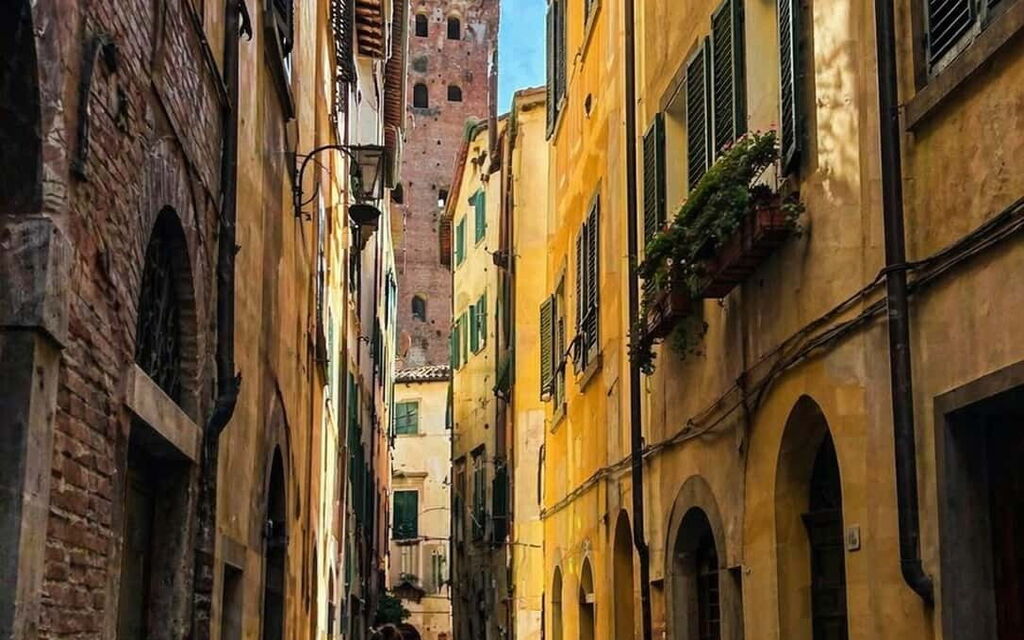
The streets are so narrow that sunlight barely reaches them.
There are fourth-floor apartments with staircases that feel like mountain climbs and no room whatsoever for a lift.
A family with children and shopping bags, in 2026, says no. If short-term rentals are removed from these properties, residents will not suddenly come flooding back: what we will get instead are empty buildings and decay. Short-term rentals have enabled many owners to renovate homes that were literally falling apart; without that income, who will pay for structural repairs and façade restoration?
Small owners are being targeted instead of addressing the real issues: the lack of efficient public transport and the absence of modern neighbourhoods that could offer a genuine alternative to the historic centre. Because between Naples and Florence the debate is heated, but reality is much more concrete. And in Lucca, we know this very well.
Living in Lucca’s historic centre today means living on Via Fillungo and not being able to park anywhere near your home. It means driving around for 20 minutes looking for a space. It means living on Via della Fratta, perhaps on the fourth floor without a lift, carring a stroller and a child in your arms. Or on Via San Paolino, climbing 49 steps with your groceries on your back. It means not even being able to leave a bicycle in the entrance hall because there is simply no room in buildings designed in another era.
And this is where the debate on short-term rentals collides with reality.
A tourist accepts all this for a few days because it is part of the experience. The idea that limiting short-term rentals will automatically bring residents back into historic centres is an oversimplification that does not hold up. The truth is that we have become accustomed to comfort, and we want those comforts all year round.
In the meantime, small property owners are increasingly being pushed into a business model that is not theirs. Between CIN requirements, technical obligations and rising costs, managing even a single property becomes unsustainable. And when management becomes too burdensome, people sell. But it is not residents who buy: it is those with deep enough pockets to absorb the impact of bureaucracy.
The result is paradoxical: the stated goal is to protect housing, yet the real risk is to empty properties that were restored precisely thanks to tourism. Without that income, very few people would invest in repairing roofs or restoring façades.
The question remains open: does it really make sense to apply the same approach to places like Lucca, where the issue is not only price, but the very liveability of the properties themselves? The real risk is not that residents will fail to return. The real risk is much simpler: shuttered homes, less maintenance, and declining value.
At Tuscanhouses, we walk these streets every day: from Via Fillungo to Via San Paolino, we know the strain of those staircases, but also the immense value of every single restored roof. We must not let bureaucracy turn out the lights in the historic centre.
Follow Tuscanhouses to stay updated on regulations and if you need help with your property contact us.
This is no longer just bar talk, but a precise administrative measure: City Council Resolution No. 637 of 19 December 2025, published in the Official Bulletin of the Campania Region (BURC No. 6 of 2 February 2026). The municipality has decided that, within the UNESCO Historic Centre, residential use must remain at 70% for each individual building.
Translated: if your building has 10 apartments and 3 already have active CIN codes, you are out. It does not matter whether that home represents your life savings or your family’s only source of income. If your neighbours were quicker to obtain the code, your property rights are effectively frozen by a statistical calculation.
The real bureaucratic “masterstroke” is the obligation to change the property’s use classification to “A/tourist”. The municipality wants the property removed from the residential category altogether. It is a move that ignores the flexibility inherent in private ownership and will force small owners into unsustainable technical costs, paradoxically benefiting only large players with the capital to handle these procedures.
We have reached a lottery of property rights.
And while people debate percentages, identification codes and new restrictions, one question naturally arises: has anyone really looked at what it is like to live in historic city centres? The City of Naples says it wants to “guarantee the right to housing.” A beautiful phrase — if it did not ignore reality. Our historic centres are jewels, but they are inconvenient places to live.
Parking is virtually non-existent.
The streets are so narrow that sunlight barely reaches them.
There are fourth-floor apartments with staircases that feel like mountain climbs and no room whatsoever for a lift.
A family with children and shopping bags, in 2026, says no. If short-term rentals are removed from these properties, residents will not suddenly come flooding back: what we will get instead are empty buildings and decay. Short-term rentals have enabled many owners to renovate homes that were literally falling apart; without that income, who will pay for structural repairs and façade restoration?
Small owners are being targeted instead of addressing the real issues: the lack of efficient public transport and the absence of modern neighbourhoods that could offer a genuine alternative to the historic centre. Because between Naples and Florence the debate is heated, but reality is much more concrete. And in Lucca, we know this very well.
Living in Lucca’s historic centre today means living on Via Fillungo and not being able to park anywhere near your home. It means driving around for 20 minutes looking for a space. It means living on Via della Fratta, perhaps on the fourth floor without a lift, carring a stroller and a child in your arms. Or on Via San Paolino, climbing 49 steps with your groceries on your back. It means not even being able to leave a bicycle in the entrance hall because there is simply no room in buildings designed in another era.
And this is where the debate on short-term rentals collides with reality.
A tourist accepts all this for a few days because it is part of the experience. The idea that limiting short-term rentals will automatically bring residents back into historic centres is an oversimplification that does not hold up. The truth is that we have become accustomed to comfort, and we want those comforts all year round.
In the meantime, small property owners are increasingly being pushed into a business model that is not theirs. Between CIN requirements, technical obligations and rising costs, managing even a single property becomes unsustainable. And when management becomes too burdensome, people sell. But it is not residents who buy: it is those with deep enough pockets to absorb the impact of bureaucracy.
The result is paradoxical: the stated goal is to protect housing, yet the real risk is to empty properties that were restored precisely thanks to tourism. Without that income, very few people would invest in repairing roofs or restoring façades.
The question remains open: does it really make sense to apply the same approach to places like Lucca, where the issue is not only price, but the very liveability of the properties themselves? The real risk is not that residents will fail to return. The real risk is much simpler: shuttered homes, less maintenance, and declining value.
At Tuscanhouses, we walk these streets every day: from Via Fillungo to Via San Paolino, we know the strain of those staircases, but also the immense value of every single restored roof. We must not let bureaucracy turn out the lights in the historic centre.
Follow Tuscanhouses to stay updated on regulations and if you need help with your property contact us.
Short-term rentals: when do they become a business?
Monday, April 20, 2026,
A recent court ruling highlights when a rental activity may no longer be considered “non-business” and what that means in practice.
In recent years, many property owners in Tuscany have turned to non-entrepreneurial short-term rentals as a simple way to generate income from their homes.A flexible solution, often perceived as straightforward and easy to manage. However, the line between “private” activity and business activity has become much thinner than it may seem. A recent ruling from the Florence Tax Court brings this issue back into focus.The Florence case and what it means for property ownersThe court examined the case of a property owner who had been renting out a property continuously for over seven years (sentenza n. 148 del 02/03/2026). What mattered was not how the activity had been formally defined, but how it was actually carried out. In this case, the number of bookings was particularly high, the property was consistently on the market, and most importantly, the rental income represented the owner’s main source of revenue. Taken together, these elements led the court to conclude that the activity was being conducted on a regular, organized, and ongoing basis — effectively qualifying it as a business. As a result, the flat tax regime was denied.In simple terms: defining yourself as a private individual is not enough. This ruling highlights a key point: substance matters more than form. Even with a single property, a continuous flow of guests, frequent bookings, and an increasingly structured management approach — including cleaning, guest communication, and platform management — may point toward a business activity. At the same time, regulations have become stricter: today, managing more than two properties automatically places you in the business category. But as this case shows, the threshold is not the only factor.Legal Note: A Warning Signal, Not a Final VerdictIt is important to clarify that the Florence ruling is a first-instance judgment. This means the taxpayer still has the opportunity to appeal and potentially take the case to the Supreme Court. However, this ruling sets a significant precedent: tax judges are increasingly focusing on the "economic substance" of short-term rentals, looking past the formal labels of "private" or "non-professional" host.Why it’s important to pay attention.The real risk is that these situations often come to light after several years, once the activity is already well established.And when they do, the consequences can be significant: retroactive tax assessments, loss of tax benefits, penalties, and administrative obligations.If an activity is reclassified as a business, the financial damage goes far beyond losing the preferential tax rate. The owner could face:VAT Recovery : The VAT that was never applied to previous rental income becomes a direct out-of-pocket cost for the owner.INPS Social Security Contributions: The retroactive obligation to register with the Social Security "Commercianti" fund, requiring the payment of both fixed and percentage-based contributions.Fines for Lack of Invoicing: Heavy penalties for failing to issue formal invoices and neglecting mandatory accounting records.With the full implementation of the CIN (National Identification Code) and the obligation for platforms like Airbnb and Booking.com to share data with the Revenue Agency, "DIY" tax management has become extremely risky. Today, tax authorities use algorithms to cross-reference the number of nights sold with declared income in seconds, making "masked" professional activities easily identifiable.This is not just about operations — it is about protecting your investment over time. Owning a home in Tuscany and renting it out remains a valuable opportunity. But today more than ever, it is not just about doing it — it is about doing it properly. Every home has its own story, and so does the way it is managed. Understanding the right approach from the beginning is what truly makes a difference over time. If you’d like to better understand how to approach your specific situation, we’d be happy to help. Feel free to get in touch at elisa@tuscanhouses.com
Short-term rentals: when do they become a business?: Read More