From the Florence Rulings to the Urban Planning Trap: When Property Rights Become a Gamble
Short-Term Rentals in Italy: The Struggle of Historic Centers from Naples to Lucca
The climate surrounding short-term rentals has become a perfect storm of bureaucracy and ideology. While property owners are still trying to make sense of the Florence ruling — a first-instance decision stating that even owning a single apartment could mean being considered a business operator — Naples has now played its trump card: the Urban Planning Amendment to the PUC.
This is no longer just bar talk, but a precise administrative measure: City Council Resolution No. 637 of 19 December 2025, published in the Official Bulletin of the Campania Region (BURC No. 6 of 2 February 2026). The municipality has decided that, within the UNESCO Historic Centre, residential use must remain at 70% for each individual building.
Translated: if your building has 10 apartments and 3 already have active CIN codes, you are out. It does not matter whether that home represents your life savings or your family’s only source of income. If your neighbours were quicker to obtain the code, your property rights are effectively frozen by a statistical calculation.
The real bureaucratic “masterstroke” is the obligation to change the property’s use classification to “A/tourist”. The municipality wants the property removed from the residential category altogether. It is a move that ignores the flexibility inherent in private ownership and will force small owners into unsustainable technical costs, paradoxically benefiting only large players with the capital to handle these procedures.
We have reached a lottery of property rights.
And while people debate percentages, identification codes and new restrictions, one question naturally arises: has anyone really looked at what it is like to live in historic city centres? The City of Naples says it wants to “guarantee the right to housing.” A beautiful phrase — if it did not ignore reality. Our historic centres are jewels, but they are inconvenient places to live.
Parking is virtually non-existent.
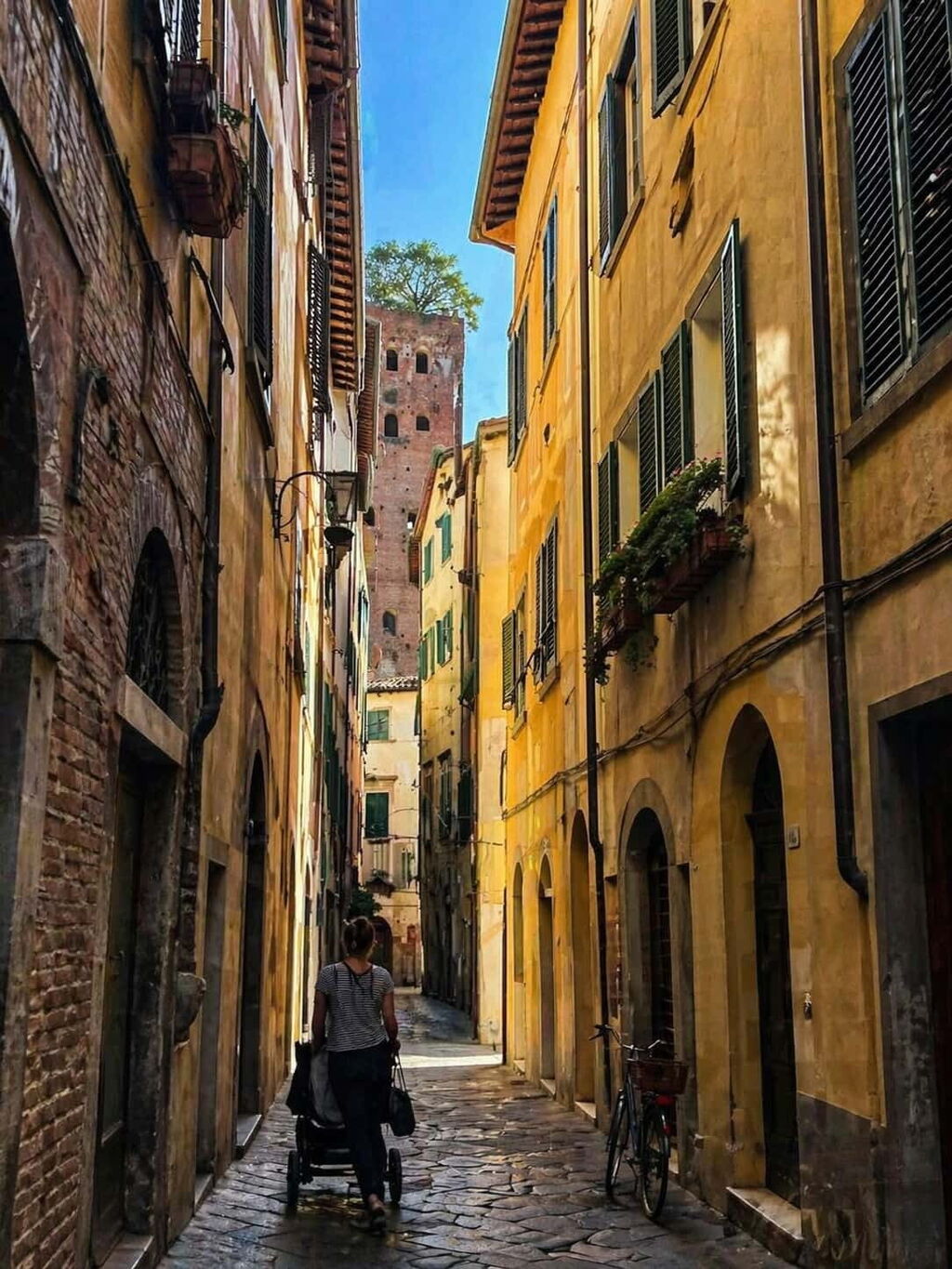
The streets are so narrow that sunlight barely reaches them.
There are fourth-floor apartments with staircases that feel like mountain climbs and no room whatsoever for a lift.
A family with children and shopping bags, in 2026, says no. If short-term rentals are removed from these properties, residents will not suddenly come flooding back: what we will get instead are empty buildings and decay. Short-term rentals have enabled many owners to renovate homes that were literally falling apart; without that income, who will pay for structural repairs and façade restoration?
Small owners are being targeted instead of addressing the real issues: the lack of efficient public transport and the absence of modern neighbourhoods that could offer a genuine alternative to the historic centre. Because between Naples and Florence the debate is heated, but reality is much more concrete. And in Lucca, we know this very well.
Living in Lucca’s historic centre today means living on Via Fillungo and not being able to park anywhere near your home. It means driving around for 20 minutes looking for a space. It means living on Via della Fratta, perhaps on the fourth floor without a lift, carring a stroller and a child in your arms. Or on Via San Paolino, climbing 49 steps with your groceries on your back. It means not even being able to leave a bicycle in the entrance hall because there is simply no room in buildings designed in another era.
And this is where the debate on short-term rentals collides with reality.
A tourist accepts all this for a few days because it is part of the experience. The idea that limiting short-term rentals will automatically bring residents back into historic centres is an oversimplification that does not hold up. The truth is that we have become accustomed to comfort, and we want those comforts all year round.
In the meantime, small property owners are increasingly being pushed into a business model that is not theirs. Between CIN requirements, technical obligations and rising costs, managing even a single property becomes unsustainable. And when management becomes too burdensome, people sell. But it is not residents who buy: it is those with deep enough pockets to absorb the impact of bureaucracy.
The result is paradoxical: the stated goal is to protect housing, yet the real risk is to empty properties that were restored precisely thanks to tourism. Without that income, very few people would invest in repairing roofs or restoring façades.
The question remains open: does it really make sense to apply the same approach to places like Lucca, where the issue is not only price, but the very liveability of the properties themselves? The real risk is not that residents will fail to return. The real risk is much simpler: shuttered homes, less maintenance, and declining value.
At Tuscanhouses, we walk these streets every day: from Via Fillungo to Via San Paolino, we know the strain of those staircases, but also the immense value of every single restored roof. We must not let bureaucracy turn out the lights in the historic centre.
Follow Tuscanhouses to stay updated on regulations and if you need help with your property contact us.