Beyond the scapegoat: the risk factor and the real causes of the housing crisis
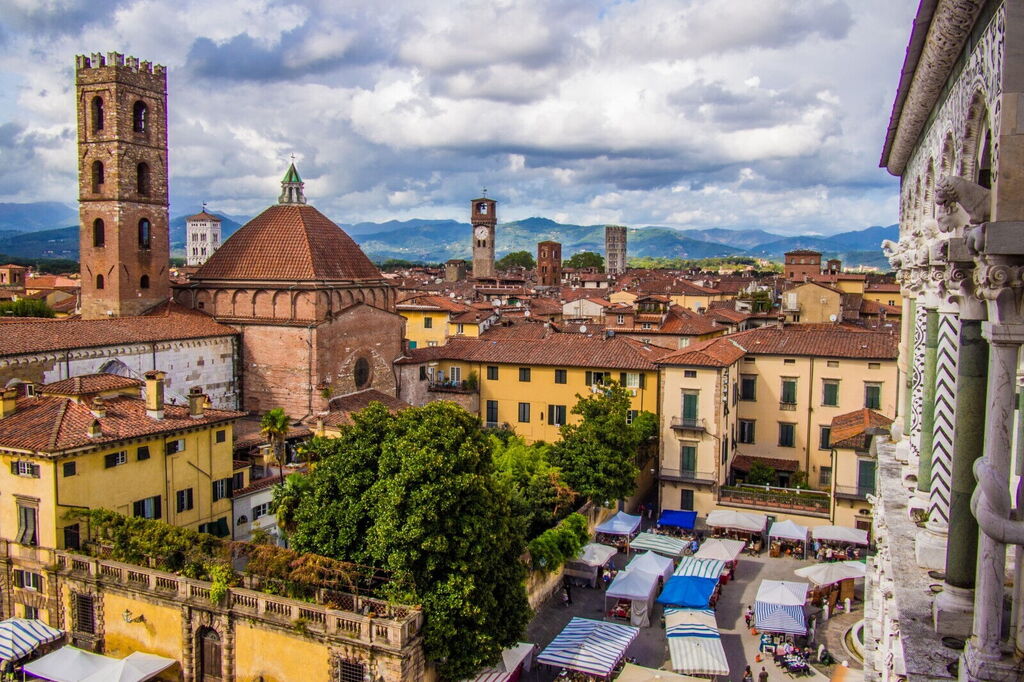
Beyond simplified narratives: understanding the root causes of the housing crisis and the role of private owners.
Short-term rentals under attack: an analysis between perception, reality and regulation
In recent years, short-term rentals have increasingly become the focus of a heated public debate. In Italy, in particolare, they are often portrayed as one of the main causes of housing shortages, rising rents, and the reduced availability of long-term accommodation for residents. The narrative is simple and effective: more homes used for tourism mean fewer homes for local communities. As a result, short-term rentals have become an easy and visible target for restrictions, higher taxation, and tighter regulation.
Reality, however, is far more complex.
Housing pressure is driven by structural factors that go far beyond tourism. We are talking about a lack of long-term housing policies, demographic shifts, urban concentration, and slow construction processes. Short-term rentals are part of this system, but they are rarely its primary cause — especially outside major metropolitan areas.
Take Tuscany, for example. In many parts of the region, short-term rentals represent only a small percentage of the overall housing stock. Yet, we see the same restrictive measures applied uniformly, without distinguishing between areas under severe pressure and those where the impact is limited. This approach risks addressing symptoms rather than underlying causes. It’s also vital to acknowledge that not all operators are the same: there is a clear distinction between large-scale companies managing dozens of units and private owners renting out a family property for limited periods. Treating these realities as identical simplifies the debate but rarely leads to effective solutions.
But why is this sector always the target?
One reason is visibility. These rentals are easy to identify, easy to regulate, and easy to communicate about in a political campaign. Restricting them creates the impression of swift, decisive action. But visibility does not equate to responsibility. A far less discussed — yet crucial — aspect of the housing crisis is why many owners are so reluctant to offer long-term rentals in the first place.
For many, the shift away from traditional leases is driven not by higher profitability, but by risk. In Italy, landlords face significant uncertainty. When rent payments stop, even after two missed months, the legal procedures to regain possession can take months or even years. During this time, the owner continues to bear costs, taxes, and maintenance obligations without any effective protection. This lack of real safeguards plays a major role in reducing long-term supply.
If landlords were offered concrete guarantees — such as the ability to recover possession promptly — confidence in long-term renting would increase significantly. Clear and enforceable rules would make traditional leases a viable option again for many. Such measures would likely have a much greater impact on housing availability than any restriction on short-term rentals, because they address the core issue: the fear of non-payment and prolonged legal uncertainty.
We must also consider how our expectations have evolved. Many people are no longer willing to live in properties that lack modern standards, such as parking, elevators, or outdoor spaces like balconies and gardens. Our daily habits have changed, and this directly affects the type of homes people are willing to rent long-term. Not all properties meet today’s expectations, and this influences demand regardless of whether tourists are present or not.
Restricting short-term rentals without addressing these deeper dynamics does not automatically encourage long-term leasing. Often, it leads to unintended consequences: properties withdrawn from the market altogether, homes left vacant, or the growth of informal rental arrangements. Regulation is necessary, but it works only when it is targeted, balanced, and based on real market dynamics rather than simplified assumptions.
Finding effective solutions means acknowledging that there is no single answer. We need clear, proportionate rules that reflect social changes and the needs of those who live in and invest in our communities. Only then can a constructive dialogue and truly sustainable housing policies take shape.