Lucca Comics & Games 2026: Our Guide to the 60th Edition
Tuesday, October 13, 2026,

All about Lucca Comics & Games 2026 (October 28 – November 1): the 60th anniversary, the official poster, venue map, transport tips, and stress-free accommodation advice.
Europe’s most beloved pop culture festival is turning 60. Founded in 1966 as the International Comics Fair, Lucca's iconic event celebrates its "Diamond Anniversary" from October 28 to November 1, 2026.As tradition dictates, the historic Renaissance walls and medieval city center will set the stage for the world capital of comics, gaming, animation, and cinema.In this guide, you will find the latest news, practical details, and top tips to enjoy the festival stress-free while relaxing in the charming surrounding countryside of Lucca and Versilia.The 60th Anniversary Theme: "Legacy"To celebrate six decades of history, the official theme chosen is Legacy: a tribute to the bond between generations of authors and fans.The official poster was created by Claudio Castellini (Marvel, DC Comics, Bonelli) and features a bold visual contrast: graphic black-and-white characters representing the history and genres of pop culture stand out against a vivid red background, topped by a brightly colored young girl holding a pencil, a symbol of new creative energy passing the torch to the future.Star guests for the 60th edition include legends such as Go Nagai (Grendizer), Frank Miller (300), Yoshinori Kitase (Final Fantasy VII), and composer Yoko Kanno.For the first time ever, Alberto Angela will also be attending Lucca Comics & Games. He will be featured in a talk with Gianluca Gazzoli, designed to explore different worlds, eras, and imaginations... The event will take place on October 31st at the Giacomo Puccini Teatro del Giglio and requires advance reservation.Practical Guide: Tickets, Trains, and Parking1. How Tickets and Wristbands WorkStrolling through the historic center and walking along most of Lucca's Renaissance walls is completely free.A ticket (and corresponding wristband) is required only to enter the exhibition pavilions, vendor stands, indoor exhibitions in historic palaces, and special indoor events.Our Tip: Buy your tickets online in advance and pick up your wristband at the official Welcome Desks (located at the Train Station, Palasport, and Tagliate Parking) before joining the pavilion queues.2. Getting ThereDuring the festival, the entire historic center is fully pedestrianized.By Train (Recommended Option): Lucca Train Station is located just 200 meters from the city walls. Trenitalia runs hundreds of extra train services to and from Viareggio, Camaiore, Pisa, and Florence.By Car & Parking: If arriving by car, you must pre-book your parking space in the dedicated Event Parking areas using the official Metro Park Lucca platform.Tips for a Stress-Free VisitTo make the most of the festival without running out of energy:Plan Your Schedule: Pavilions are busiest between 11:00 AM and 3:00 PM. Take advantage of the early morning (from 09:00 AM) or late afternoon to shop at the stands, leaving the central hours for outdoor walks or lunch.Clothing & Cosplay: Wear comfortable walking shoes: you can easily cover 10 to 15 km a day. If you are cosplaying, plan the transport of larger props well in advance.Smart Lunch Breaks: Avoid long queues at food stands in the city center during peak hours; carry snacks and water with you, or visit restaurants located just outside the city walls.Festival Venues & Main AreasExhibition halls are open daily from 09:00 AM to 07:00 PM. Here is where to find the main sectors:Comics (Piazza Napoleone & Corso Garibaldi): The heart of the publishing sector, featuring stands from major Italian and international publishers.Games & Videogames (Baluardo San Donato & Carducci): The massive Carducci pavilion (outside the walls) hosts board and tabletop gaming giants, while video game previews fill the bastions and historic palaces.Japan Town (Giardino degli Osservanti): The area entirely dedicated to Japanese pop culture, manga, Asian food, and the world of cosplay.Fantasy & LARP (Baluardo San Paolino & Santa Maria): Historical camps, live-action role-playing, and medieval displays along the bastions.Exhibitions in Historic Palaces: Free-entry art exhibitions featuring master illustrators are hosted inside Palazzo Guinigi, Palazzo Ducale, and Fondazione Banca del Monte.Where to Stay During the FestivalIf you are looking for the perfect home for the upcoming Lucca Comics & Games, ask TuscanHouses!Our portfolio offers a wide selection of properties: right in the heart of Lucca (both inside and just outside the historic walls), in the immediate surroundings only minutes away from the festival, as well as in the hills and along the Versilia coast.Which option should you choose?In the City Center. Good to know.Securing a home in Lucca’s historic center requires booking well in advance due to the event's global popularity. Costs can be slightly higher, and you might face minor practical challenges managing luggage, accessories, or cosplay outfits amidst the crowds and traffic. However, staying in town is perfect for those who want an intense, all-inclusive experience, fully immersed 24/7 in a festival that transforms the entire city.Outside the City (Lucca Hills, Camaiore & Versilia)Choosing a home in the surrounding countryside or along the coast brings significant practical advantages:Fast & Direct Connections: From Versilia train stations (such as Viareggio or Camaiore), central Lucca is just a 15–20 minute train ride away, saving you from traffic and parking searches.Space and Privacy: For groups or cosplayers with bulky props and costumes, a private villa or independent apartment provides generous spaces, multiple bathrooms, and ultimate convenience when getting ready.Peaceful Evenings: After an exciting day in the crowds, retreat to the tranquility of the Tuscan countryside and enjoy fine dining at authentic local restaurants away from the noise.Book Your Stay with TuscanHousesWhether you are planning a group trip for the cosplay event of the year or a cultural weekend with your family, our properties provide the ideal logistical base for the 60th edition of Lucca Comics & Games.Here are a few examples:In townIndaco – Sleeps 2Casa Lilla – Sleeps 4Casa Lauren – Sleeps 6Outside the cityCasa Valentino – Sleeps 6Villa Alberto – Sleeps 8Villa Calliope – Sleeps 10In VersiliaIl Castagno – Sleeps 4Bianca Dimora – Sleeps 4La Casa nel bosco – Sleeps 4Villa Maestrale – Sleeps 8Contact the TuscanHouses team to check availability for October 28 – November 1, 2026, and secure your charming Tuscan retreat close to the event!
Lucca Comics & Games 2026: Our Guide to the 60th Edition: Read More
Hills, Wine Glasses, and Coastal Vintages: September Wine Experiences Around Lucca
Wednesday, September 9, 2026,

An experiential journey through historic hills, rural traditions, and sea breezes on the border of Tuscany and Liguria.
When thinking of wine in Tuscany, iconic Chianti classics and vast estates often come to mind first. But the true magic, the kind we at TuscanHouses love sharing with our guest, begins when you step off the beaten path.Forget standardized group tours: our idea of wine tasting is an authentic experience where wine is deeply woven into the personal stories of the people who make it.Today, we start in the rolling Lucchese hills before heading into the Pisa countryside and finishing along the coast, traveling from Versilia to the Ligurian border. These lands guard a vibrant, intimate, and surprising wine culture. We have selected boutique wineries where tasting is just the beginning: visits often start with a stroll through the vineyards to learn about local grape varieties, followed by a tour of the cellars, an introduction to the estate's philosophy, and a guided tasting. In other places, you'll gather around a table where local wines are paired with homemade Tuscan specialties.Fattoria del Teso in Montecarlo (Lucca): Vineyard Walks, Winemakers, and Fine VintagesFattoria del Teso is a historic estate surrounded by ancient pine trees. Designed for small groups, the experience offers a peaceful, intimate atmosphere.Upon arrival, you are welcomed in the courtyard by the cellar master and winemaker, who lead you on a scenic walking tour through five distinct vineyards. Among the vines, you will discover the secrets of Montecarlo DOC wines, local cultivation techniques, and the unique microclimate of these hills.After the walk and a visit to the historic aging cellar, you will settle under a romantic garden pergola or beside ancient wooden oak barrels for a tasting guided by the winemaker featuring six signature labels: Montecarlo White DOC, Vermentino IGT, the unique Orange del Teso IGT, Montecarlo Red DOC, Montecarlo Red Riserva DOC, and the Super Tuscan Anfidiamante IGT.The tasting is paired with a platter of local cured meats and cheeses alongside iconic Altopascio bread drizzled with the estate’s Extra Virgin Olive Oil, concluding with a glass of rare 1998 Vinsanto and classic artisan cantucci cookies.Pet-Friendly Note: Four-legged friends are warmly welcomed!Chicco d’Uva in Montecarlo (Lucca): Warm Family HospitalityConnected to the historic Al Vecchio Olivo restaurant, Chicco d'Uva welcomes you into the heart of a family-run farm and olive oil mill. Producing Lucca PDO Extra Virgin Olive Oil and Montecarlo DOC Wine, here you can savor freshly pressed olive oil and enjoy relaxed, informal tastings where selected wines are paired with traditional Tuscan dishes prepared the old-fashioned way.Tenuta Adamo & Fattoria Fubbiano (Lucca): Slow Rhythms and ConvivialityArriving at Tenuta Adamo, the scenery takes center stage: panoramic outdoor terraces offer sweeping views over the entire valley. Time seems to slow down as the sommelier pours your glass and explains how evening sea breezes influence grape ripening.The heart of the project lies in celebrating the local terroir by pairing production innovation with respect for local heritage. The estate purposefully focuses on indigenous grape varieties such as Canaiolo, Colorino, Hamburg Muscat, Trebbiano, and Malvasia. Alongside wine, the farm produces high-quality olive oil from an olive grove dating back to the 1700s, originally planted by the House of Bourbon. Today, classic local cultivars like Frantoio, Moraiolo, Leccino, and Baulino thrive here.The estate produces Toscana Red, Toscana White, and Toscana Rosé, served alongside fresh crusty bread and estate extra virgin olive oil during tastings.Podere Pellicciano in San Miniato (Pisa): An Intimate Journey into the Heart of the LandIn the hills of Pisa, the experience at Podere Pellicciano begins right in the vineyards, where the owners walk guests through the vines while sharing stories of passion, dedication, and respectful viticulture.After the vineyard tour, take a seat for a guided sensory tasting featuring six distinct wines:Family Energy: start with wines named after the winemakers' children: Cimba (a fresh and lively Terre di Pisa DOC Rosé), Biondo (a bright Tuscan White IGT), and Tricche (a warm, versatile Terre di Pisa Red DOC).Pure Single-Varietals: continue with wines expressing the unfiltered identity of single grapes: Egola (an enveloping Malvasia Nera), Buccianello (100% Colorino, bold and deeply Tuscan), and Fonte Vivo (a complex Trebbiano to be savored slowly).Guests can complete the experience with a tasting of the farm's organic Extra Virgin Olive Oil, paired with selected local cheeses, cured meats, and an exclusive pour of their flagship CRUs (Prato della Rocca and Griso).Il Segreto in Massarosa: Wines of the SandsHeading toward the coast, we arrive in Massarosa, where Tenute Cantine Mariani - Il Segreto stretches from the coastal hills to the Versilia sea. Nestled between the Versilia hills, Lake Massaciuccoli, and the Tuscan coast, the vineyards breathe in salty sea air, resulting in mineral-rich wines filled with scents of coastal scrub and sea salt. This isn't just a wine tasting; it's an authentic connection with a working farm where every glass tells the story of the family and the land they cultivate.Il Segreto produces traditional and Charmat method sparkling wines, including Segreto Metodo Classico Brut, Pas Dosé, and Fût de Chêne. Through the Segreto Experience, guests can sample wines paired with local specialties and organic olive oil.For a truly unique sip, try SabbiaMare. Available in white and rosé sparkling versions, it comes from vineyards inside the Migliarino and San Rossore Park, planted on sandy soil just 600 meters from the ocean. Here, vine roots sink into maritime sand once washed by tides, and sea spray settles gently on the leaves. This coastal terroir creates fresh, salty, and fruity sparkling wines with a crisp minerality suitable for aperitifs or full meals. Grape varieties include Sangiovese vinified as a white, Vermentino, and Chardonnay for the white version, and Sangiovese and Syrah for the rosé. Produced with minimal filtration and low sulfites, it is a natural, refreshing wine.Ca’ Lunae in Castelnuovo Magra: From the Versilia Coast to the Ligurian BorderFollowing the Versilia coastline, we reach Luni to complete our wine journey on the border between Tuscany and Liguria.Ca' Lunae is a beautifully restored 18th-century manor house located at the foot of the Apuan Alps. More than a winery, it serves as a cultural gathering place designed to immerse visitors in the heritage of historic Lunigiana. The estate features an aromatic herb garden and a Wine Museum showcasing founder Paolo Bosoni's personal collection of historic farming tools and rural artifacts curated alongside historians.And, of course, there is the wine! After exploring the history, guests sit down to taste famous Colli di Luni wines, led by their signature Vermentino, a true symbol of grapes grown between the mountains and the sea.Enjoy an aperitif in the garden or lunch at L'Ostaia, the estate's on-site restaurant serving traditional recipes paired perfectly with local wines.Ready to live your Tuscan wine story?Find your ideal base for exploring local wineries and food trails:Our exclusive proposals in the Lucca area.Our exclusive proposals in the Versilia area.Our exclusive proposals in the Pisa area.
Hills, Wine Glasses, and Coastal Vintages: September Wine Experiences Around Lucca: Read More
The Most Beautiful Natural Parks in Tuscany: From Sea and Apuana Peaks to Lucca's Rolling Hills
Tuesday, August 18, 2026,
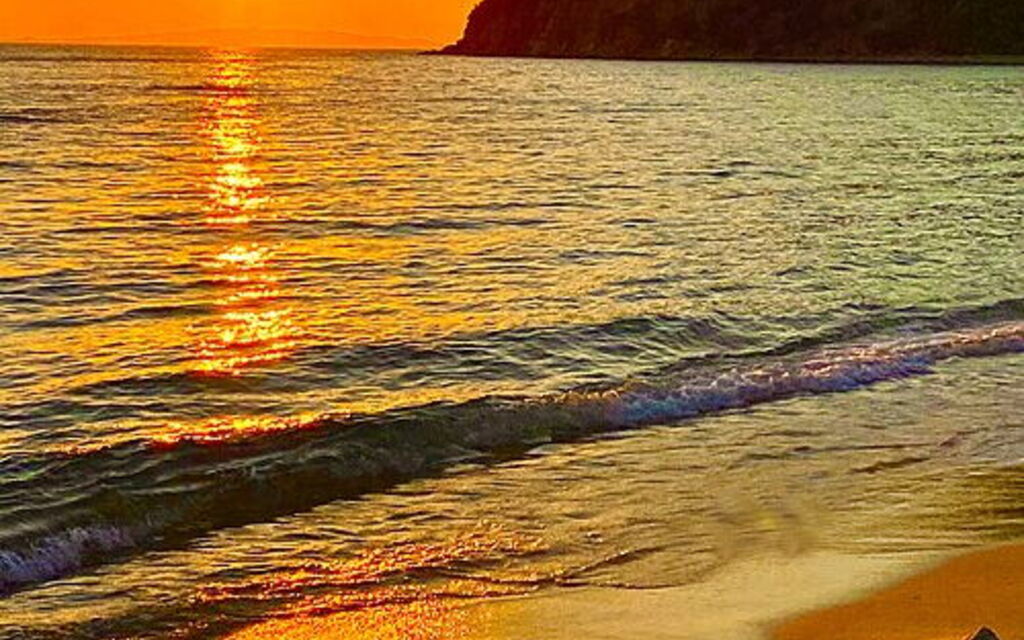
Escape crowded spots and discover Tuscany’s wildest beauty: from marble peaks and coastal pine forests to rolling Lucchese hills. Plan your unforgettable outdoor getaway with our guide!
If you are looking for a Tuscany far from crowded piazzas, where nature sets the pace of the day, this article is for you!Tuscan parks and protected areas offer remarkably diverse landscapes, perfect for anyone seeking a refreshing getaway surrounded by pristine nature, history, and authentic traditions. We will take you from sandy dunes and marble peaks touching the sky to lush woods, historic villas, and fortified villages surrounding Lucca.All of these green destinations are easily accessible from our properties, making them the ideal base for an outdoor adventure featuring hiking, biking, horseback riding, or pure relaxation.Migliarino, San Rossore, Massaciuccoli Regional Park: Coastal WildsSpanning roughly 24,000 hectares between Viareggio and Livorno, this park is a rare treasure: one of Italy's few remaining undeveloped coastal environments, protected since 1979. At its heart lies the historic San Rossore Estate, once a private hunting reserve for the Kings of Italy and later the Presidents of the Republic.What to See & DoSan Rossore Estate: Explore ancient pine forests on foot, by bicycle, or on traditional horse-drawn carriages all the way to wild, untouched beaches where seabirds nest. more info Parco di San RossoreLake Massaciuccoli: On the Versilia and Lucca side of the park, walk along wooden boardwalks suspended over the water for birdwatching among reeds and water lilies, especially at sunset.Gourmet Tip: We recommend stopping by the park's shops to taste dune honey (made from coastal wildflowers), organic pine nuts, and local regional delicacies.Apuan Alps Regional Park: The Marble MountainsVisible from the Versilia beaches, the Apuan Alps rise dramatically above the coastline, standing sharply apart from the nearby Apennines with their rugged ridges and deep valleys. World-renowned for their pristine marble quarries, they also hide a subterranean world of extraordinary caves and sinkholes.What to See & DoRidge Hiking & Marble Quarry Tours: Panoramic trails offer breathtaking walks overlooking stark white marble, green forests, and the blue Tyrrhenian Sea. You can also book a guided tour of Versilia's marble quarries, on clear days, the cliffside views stretch all the way from the French Alps and Corsica to Mount Amiata. More info Corchia ParkCorchia Cave & Wind Cave (Grotta del Vento): From the peaks into the heart of the mountain, the Corchia cave system is one of Europe's largest underground environments, featuring roughly 70 km of mapped caverns and 20 different entrances. Ongoing explorations by speleologists continuously uncover new chambers hidden within the marble.Gourmet Tip: After a high-altitude hike, head to the mountain village of Colonnata to taste Lardo di Colonnata PGI, cured in marble troughs with local herbs and spices.The Hills of Lucca, Montecarlo & Historic Estates: Nature, Heritage & Fine WineJust minutes outside Lucca's ancient city walls lies a gentle, lush countryside filled with rolling vineyards, olive groves, and grand aristocratic villas set within historical parks.What to See & DoMontecarlo di Lucca: A charming walled hilltop village famous for its medieval fortress, cobblestone streets, and exceptional local wines.Historic Lucchese Villas: Visit the monumental gardens of Villa Reale di Marlia (featuring a lake, water gardens, and the residence of Napoleon’s sister) and Villa Torrigiani, famous for its baroque fountains and water features.Ponte della Maddalena (Devil's Bridge): Heading up the Serchio Valley toward Borgo a Mozzano, stop to marvel at this striking asymmetric medieval bridge shrouded in local folklore.Gourmet Tip: Drive along the Lucca Wine and Oil Route for a tasting of crisp Montecarlo DOC white or red wine, perfectly paired with authentic Lucchese meat tordelli or hearty Garfagnana spelt soup.Livorno Hills Provincial Park: Woods and Heritage TrailsTucked between Livorno, Collesalvetti, and Rosignano Marittimo, the Livorno Hills are a green mosaic of oak woods, aromatic Mediterranean scrub, and crystal-clear streams.What to See & DoHiking & Mountain Biking: Over 200 km of marked trails lead past old watermills, historical icehouses, and ancient aqueducts buried in green foliage.Horseback Riding: A paradise for riders, offering protected bridleways linking major coastal nature reserves.Gourmet Tip: Enjoy a seaside dining stop along the coast to savor authentic Cacciucco (traditional fish stew) or slow-cooked wild boar paired with Etruscan Coast red wines.Southern Tuscany: Bandite di Scarlino Nature Reserve & Maremma Regional ParkThe Bandite di Scarlino offer a dense network of trails that allow you to explore the reserve with full respect for nature, on foot, by mountain bike, or on horseback. The protected area stretches from the hills—starting at Mount d'Alma—all the way to the sea, home to some of Tuscany's most beautiful beaches, accessible only on foot, with crystal-clear waters and landscapes that make it a truly special destination.What to See & DoSunset at Cala Violina: Located in Scarlino, this is one of Maremma's most iconic beaches. Its grainy quartz sand produces a violin-like sound when walked upon (daily access is capped to preserve its peace and quiet). With translucent waters framed by dense Mediterranean scrub, it is an unforgettable spot to watch the sunset.The Maremma Regional Park, also known as the Uccellina Park, stretches along the coastline between Principina a Mare and Talamone. It is a picture-postcard landscape where the Uccellina mountain range meets the Trappola marshes and dramatic sea cliffs.What to See & DoWildlife & Watchtowers: Hike through coastal ridge paths where you can spot wild boar, deer, and traditional Maremma cattle tended by local cowboys (butteri).Marina di Alberese Beach: One of Tuscany's most evocative beaches, famous for natural driftwood shelters scattered along the shore.Gourmet Break: Treat yourself to handmade Maremma ricotta tortelli paired with a glass of Morellino di Scansano DOCG red wine.Ready to go?Find your ideal home for a holiday between the sea, the Apuan peaks, and the Lucca hills, close to Tuscany's most beautiful Natural Parks.Our exclusive proposals in the Lucca area.Our exclusive proposals in the Versilia area.Our exclusive proposals in the Pisa area.Our exclusive proposals in the Pistoia area.