Via Francigena: An Invisible Thread from the Sea to Inland Tuscany
Monday, January 26, 2026,
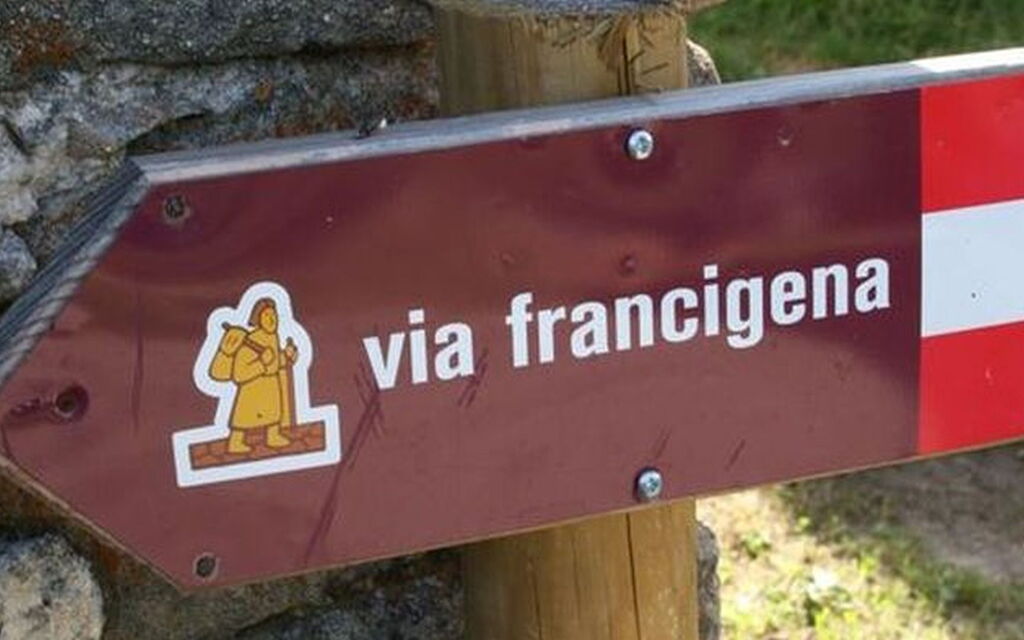
A journey through history and timeless landscapes: the Via Francigena crosses Tuscany from Versilia to Lucca, inspiring a refined and authentic way of travelling.
Tuscany is a story of travel — of history and timeless landscapes. In truth, it is a thousand stories.One of the most fascinating is the Via Francigena, the ancient pilgrimage route linking Canterbury to Rome, crossing Tuscany from north to south through rolling hills that seem to lean gently toward the sea.For many years, this path faded into the background. Locals would sometimes say, “The Francigena used to pass through here” as if it belonged to another era, with no more pilgrims and no more footsteps pressing into its trails.Then the revival of the Camino de Santiago brought renewed interest in Europe’s great pilgrimage routes. Slowly, the Via Francigena came back to life. Today, meeting walkers with backpacks and worn boots along its Tuscan stretches is no longer unusual.Of the roughly 1,000 kilometres of the Italian route, more than a third lies in Tuscany — a land that has always welcomed travellers. Not medieval pilgrims anymore, perhaps, but conscious explorers seeking authenticity and a meaningful connection with the land.So let us lace up our walking shoes and follow the Tuscan stretch together.You don’t need to be a pilgrim, only willing to slow down. Even for a few hours, setting out from the house you’ve chosen as your base, and returning in the evening with the feeling of having stepped through history.Between Sea and HillsAfter crossing into Tuscany at Pontremoli, the route unfolds through medieval villages and wooded paths, skirting the coast near the dramatic Apuan Alps and the elegant Versilia shoreline.The sea is never far away. Even when unseen, it lingers in the air, in the light, in the way the hills suddenly open toward the horizon.The path leads through Camaiore and its ancient abbey of San Pietro, welcoming travellers since the 7th century, before climbing toward Montemagno and descending toward Lucca. Along the way, countless small hamlets invite you to wander slowly beneath trees whose branches weave light into a quiet kaleidoscope.Entering Lucca after hours of walking changes your rhythm. Its Renaissance walls embrace you; the noise softens. You understand why travellers have paused here for centuries.From Lucca, the Via Francigena unfolds through a Tuscany of medieval towers, rolling hills and villages suspended in time: San Miniato, San Gimignano, Monteriggioni.Then comes Siena, beloved around the world, the spiritual heart of the journey.Beyond Siena, the route winds into the timeless landscapes of the Val d’Orcia, reaching San Quirico d'Orcia and Radicofani, Tuscany’s last sentinel before the path continues into Lazio.In Praise of SlownessThe Via Francigena speaks of slowness. Of attention. Of respect. It is powerful on foot, yet equally meaningful when explored at your own pace from a private villa or countryside home. Each day, you can discover a new stretch, returning in the evening not exhausted, but enriched.Because Tuscany’s beauty never fades yet it reveals itself fully only when you resist the urge to rush.What matters is...As T. S. Eliot wrote, what matters is not the arrival, but the journey. Do not simply pass through places. Dwell in them.Choosing a home in Tuscany means stepping into a thousand-year-old story — not as a spectator, but as part of it.If you dream of discovering the Via Francigena without giving up comfort and privacy, explore our curated collection and find your perfect starting point.
Via Francigena: An Invisible Thread from the Sea to Inland Tuscany: Read More
Discover Tuscany: Your Guide to Lucca, Pisa, and Charming Villages
Monday, August 25, 2025,
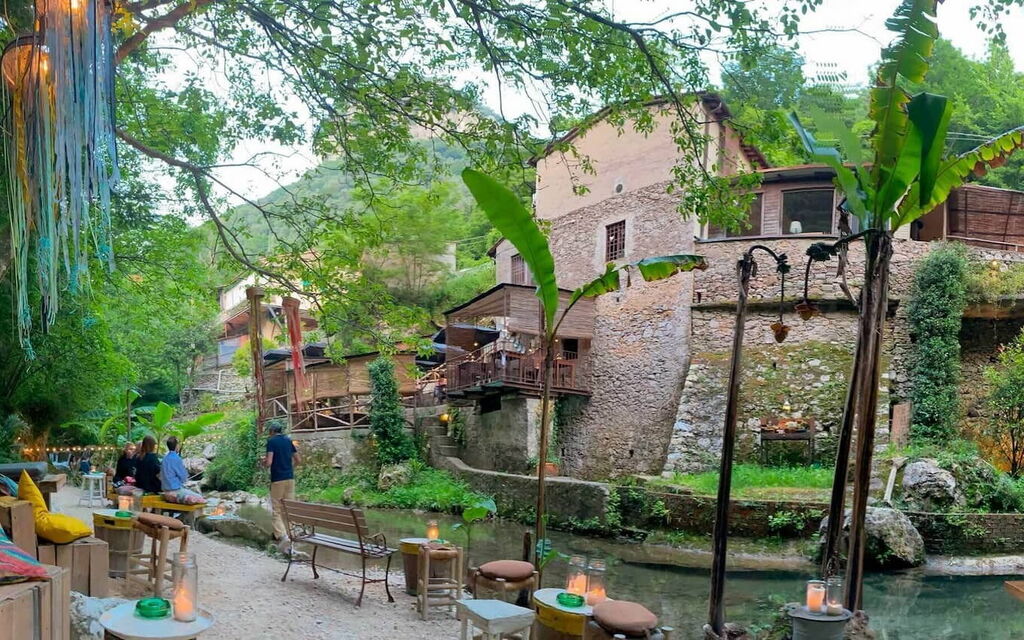
If you want to explore authentic Tuscany and make the most of every day, here are some tips to discover its most charming towns and villages while enjoying food, art, and unforgettable landscapes.
Lucca: a day among walls, towers, and local flavorsIt’s truly worth dedicating a full day to Lucca. The city can be explored on foot, but for a special experience we recommend renting a bike and riding along its ancient medieval walls — a unique route steeped in history and greenery.During your walk, stop at Felice in Via Buia for a slice of Cecina (a thin and crispy savory pie made with chickpea flour, water, oil, and a pinch of salt), and in Piazza San Michele to taste the traditional Buccellato, perhaps accompanied by a small glass of Biadina, a typical Lucchese liqueur, a herbal and quinine-based bitter, traditionally served with a handful of pine nuts in the glass to enhance its flavor. Its name comes from biada (animal fodder) bought by merchants at the Piazza San Michele market, where the liqueur originated in the 19th century thanks to a merchant named Tista.Don’t miss Lucca Cathedral with the Holy Face in Piazza San Martino, and the nearby Church of San Giovanni, where you can admire fascinating Roman excavations. Walking along Via Fillungo, you’ll reach Piazza Anfiteatro, perfect for a gelato or an aperitif.Climbing the Guinigi Tower offers an unforgettable view of the city, while the golden mosaic of San Frediano is a masterpiece not to be missed. A stroll through Piazza della Misericordia (known locally as Piazza della Pupporona) is perfect to cool off at the fountain. If you love gardens, Palazzo Pfanner and the Botanical Garden are both worth a visit.Lucca also offers excellent culinary options: from elegant restaurants like Gli Orti di Via Elisa, La Buca di Sant’Antonio, L’Imbuto, and Il Giglio, to the authentic atmosphere of Trattoria da Giulio.Pisa: a timeless iconA stop in Pisa is a must. The Leaning Tower, the Cathedral, and Piazza dei Miracoli are universal symbols of Tuscany and perfect spots for memorable photos.Charming villages and landscapes: Montecarlo, Vicopisano, and PeccioliFor a romantic village, Montecarlo is ideal for a dinner or a relaxed family evening. We recommend InCucina and Vecchio Olivo, and for a truly special experience there’s the Michelin-starred Forassiepi.For something different, visit Vicopisano with its Brunelleschi-designed walls, and if you love meat, don’t miss Macelleria Testi. Nearby, the village of Peccioli is delightful — we love stopping at Caffè Haus, a family-run trattoria where the food is excellent and you feel right at home.Music lovers can head to Lajatico, home to Andrea Bocelli’s iconic Teatro del Silenzio, where you can also enjoy a meal or an aperitif in the charming local restaurants and cafés.Pietrasanta: art, workshops, and the seaArt enthusiasts will love Pietrasanta, full of galleries, artisan shops, and a lively atmosphere. In the afternoon, head to Marina di Pietrasanta for some beach time, then return to town for dinner at restaurants like Filippo, Il Giglio, Pinocchio, or Marzocco. Pietrasanta has a special charm both by day and night.Unforgettable experiences: marble and sunsetsFor a different kind of adventure, don’t miss the Carrara marble quarries, where the landscape is breathtaking and the history of marble extraction fascinates both young and old.Camaiore gourmet tour!If you stroll through the historic center of Camaiore, you can’t miss some true culinary delights. Meat lovers will find paradise at Alan, where the family tradition has been passed down from father to son since 1873. If you’re a fan of fresh pasta, Ristopasta’s specialties will win you over at the first bite. And for those who love pairing great food with excellent wine, Cantine Angeli is a little gem in the heart of the city, perfect for a stop amid authentic flavors and a welcoming atmosphere. Eat and drink… at the top!Nestled in the small village of Metato, on the hills of Camaiore, Il Fondaccio can be reached only on foot and is perfect for a sunset dinner with a view. Alternatively, enjoy an aperitif and dinner at Osteria Candalla, on the riverbank, where the atmosphere is unique and enchanting. Wherever you decide to go, reservations are highly recommended!Where to stayTo make the most of Tuscany, here are some of our selected accommodations:Our houses in Lucca and surroundingsOur houses in Pisa and surroundingsOur houses in Versilia
Discover Tuscany: Your Guide to Lucca, Pisa, and Charming Villages: Read More