Finding the Perfect Villa in Tuscany with a Private Pool
Tuesday, February 24, 2026,

Villas with Private Pools in Tuscany — A Different Way to Travel
There is a moment in Tuscany that stays with you forever. It might be early in the morning, when the countryside is still quiet and the light feels soft over the hills, or perhaps in the late afternoon, when the sun turns everything golden and the only sound is the breeze moving gently through the olive trees. This is the true beauty of a Tuscan holiday: it is not something you rush through — it is something you savour.
For many travellers, the most authentic way to experience Tuscany is not from a hotel, but from a private villa — a place that becomes part of the journey itself. A home with its own pool, a garden where dinners stretch long into the evening, and the quiet luxury of space, privacy, and time. Tuscany offers something rare: the feeling of being completely tucked away, while still surrounded by art, culture, and landscapes that have barely changed in centuries.
Renting a villa in Tuscany is not simply about booking a holiday home; it is about choosing a way of living, even if only for a week. It is about waking up to open views, stepping barefoot onto cool terracotta floors, and knowing that the day unfolds at your own pace.
Choosing the right holiday villa in Tuscany is not only about finding a beautiful house; it is about finding the right atmosphere. Some guests dream of walking into a nearby village for fresh bread in the morning and a simple trattoria at night. Perhaps it means meeting Furio in the piazza for the best chocolate “treccina” in the area, still warm and impossible to forget — especially when staying at Villa Dell’Angelo, where village life feels wonderfully close and authentic.
Or perhaps it means calling the little restaurant Il Postino and asking for a few portions of homemade lasagne to take back to the terrace of Villa De Fiori, where dinner stretches long into the evening light and conversation flows as easily as the local wine.
Later, it might be a glass of chilled prosecco and a bowl of olives on the terrace, watching the sunset soften over the hills while the cicadas sing in the summer air and the church bell marks the slow passage of time.
What travellers are often looking for when they rent a villa in Tuscany with a private pool is not perfection, but something real — a dining table where families have gathered for Sunday lunches, small details that carry the quiet charm of Tuscan life, and spaces that invite you to slow down. The most memorable holidays here are rarely about schedules; they are about long meals, warm evenings outdoors, and the comfort of a place that feels genuine.
Of course, comfort matters. Tuscany in summer is warm, and features such as air conditioning in the bedrooms, well-kept outdoor spaces, and a truly private pool can quietly transform a good holiday into an unforgettable one. And yet, some homes breathe differently. There are places like Sunrise, a small jewel perched on top of a gentle hill, where air conditioning is almost unnecessary. Up there, a natural breeze rises in the afternoon and moves softly through the rooms even on the warmest days. The air feels lighter, the silence deeper. No traffic, no distant hum — only wind in the trees and the steady rhythm of the countryside. It is the sort of place where you feel, quite simply, in paradise.
Some houses are not chosen with logic, but with instinct.
Every private villa in Tuscany has its own rhythm, and the secret is finding the one that matches yours. Many travellers today also need a different kind of space — a peaceful bedroom, or a bright corner with reliable high-speed Wi-Fi where they can open a laptop for an hour without ever losing the feeling of being on holiday. Above all, renting through a trusted local agency should feel personal and effortless, supported by someone who understands the house, the village, and the quiet nuances that make each stay special.
Because Tuscany is not just a destination. It is a feeling.
And the right villa in Tuscany with a private pool — surrounded by countryside views, silence, and light — is where that feeling begins.
A few practical questions travellers often ask
Are the pools private?
When we say private, we mean yours alone — a sanctuary for quiet mornings by the water and unhurried swims at sunset. The majority of our villas offer completely private pools. In a few selected properties, the pool may be shared, and this is always clearly specified.
Is Wi-Fi available in the villas?
Yes, all of our villas are equipped with Wi-Fi. In more remote countryside locations, the connection may occasionally be less powerful than in city centres — but that is often part of the beauty. These are places chosen for their silence, open views, and distance from the noise of everyday life. A gentler signal sometimes comes with a deeper sense of peace.
Do I need a car?
In most cases, yes. Tuscany is best experienced with the freedom to explore its countryside, reach small villages, and move at your own pace. Some properties are within walking distance of local amenities, but we generally recommend hiring a car unless you are staying in a historical centre.
What kind of support is available during the stay?
Local assistance is always close at hand, both before arrival and throughout your stay. Renting through a trusted local agency means having someone nearby who understands the house, the area, and the small details that make a holiday truly effortless.
Explore our handpicked villas in Tuscany with private pools — and let us help you find the one that matches your rhythm.
Finding the Perfect Villa in Tuscany with a Private Pool: Read More
A practical and authentic guide to renting out in Tuscany with peace of mind, between hospitality and regulations
Monday, February 9, 2026,
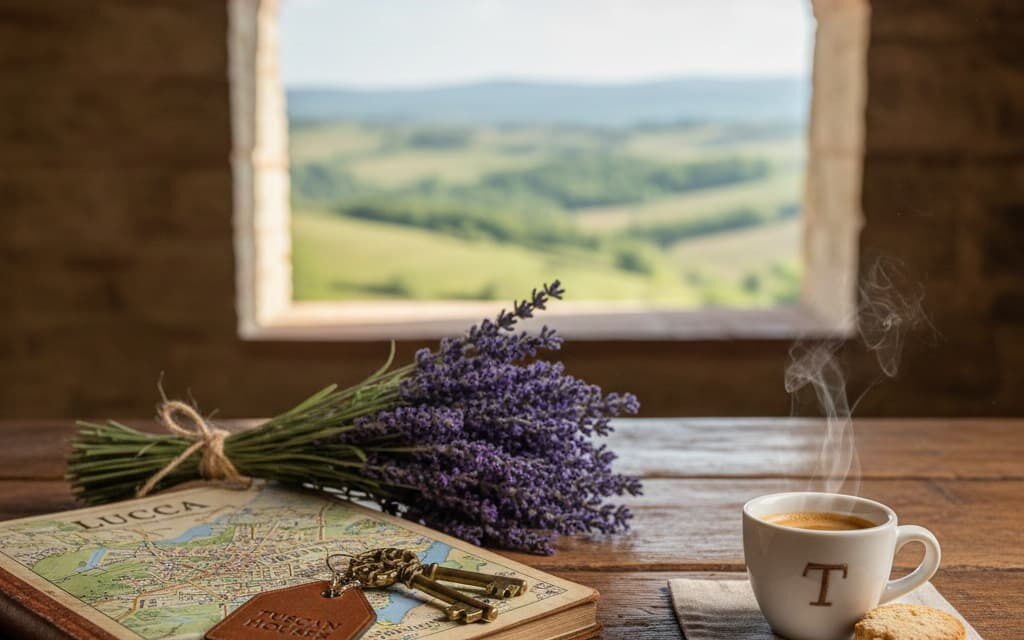
From family homes to modern short-term rental management: the checklist to rent legally, safely and with genuine local care.
Renting out a home in Tuscany in 2026 means more than welcoming guests — it means managing codes, portals, safety requirements and legal deadlines. This practical checklist guides owners step by step through CIR, CIN, Questura registration, ISTAT reporting and tourist tax obligations.Everything at TuscanHouses started with a family home. At first, renting out seemed simple: a few guests, a warm welcome, handing over the keys.But year after year, I realised how much the world of short-term rentals in Tuscany was changing. What twenty years ago involved very little bureaucracy has now become a regulated sector, shaped by identification codes, official portals, safety requirements and mandatory communications.Over time, renting out stopped being just about “handing over the keys”. It became a real job of management, precision and responsibility.And for me, step by step, it became something more: a vocation.Taking care of your home’s story, helping owners truly enhance their properties, and offering guests an authentic experience between Lucca and its rolling countryside.To rent out safely, legally — and without the stress of penalties — it is essential to understand these obligations clearly.
This guide will walk you through the key steps, one by one.
Before you start: the property must be a legal residence.Before launching a tourist rental, you must verify that the property is officially registered for residential use.
To obtain both the CIR and the CIN, the home must fall under a residential cadastral category, such as:
A/2 – Civil dwellings
A/3 – Economic dwellings
A/7 – Villas and cottages
It is not possible to legally start a short-term rental if the property is registered as:
garages or storage units
agricultural annexes or technical rooms
units without habitability certification (although in some municipalities, compliance of the systems may be sufficient — it is always advisable to check).1. CIR Tuscany: regional registration for tourist rentals
The first mandatory step is obtaining the CIR (Regional Identification Code).
I know, it may feel like a maze of acronyms — but it’s the first step toward peace of mind and stress-free hosting. In Tuscany, registration is completed through the official portal:Open Toscana portal To find the correct service:
enter the Open Toscana platform
search for “Locazioni Turistiche”
select the dedicated registration service
Full cadastral details are required, so it is useful to have an updated property record (visura) or the notarial deed available.
2. Heads up: some municipalities may also require SCIA
Although tourist rentals are not traditional accommodation businesses, some municipalities may still request a SCIA declaration or additional notifications.
To protect yourself:
contact the local SUAP office
request confirmation in writing (email or certified mail)
keep the response on record
3. Safety first: requirements and compliance
Before applying for the national CIN, your home must meet minimum safety standards, including:
Fire extinguishers (at least one per floor or one every 200 sqm)
Certified smoke/gas and carbon monoxide detectors (CO)
During the CIN procedure, owners are normally required to declare that the property complies with current safety regulations. Think of these safety steps as a way to protect guests — but also to protect you. In case of inspection, being prepared makes compliance stress-free.
4. CIN National Code: registration on the BDSR database
After obtaining your CIR and meeting safety requirements, you can request your CIN (National Identification Code) through the official database:
BDSR database (Ministry of Tourism) The CIN must appear on every online listing and must also be displayed externally on the property, as required by law.
5. Alloggiati Web: guest registration with the Police
Every guest must be registered through the official Police system.Before using the portal, the property owner must first complete the initial registration process with the competent local Police Headquarters (Questura), in order to obtain access credentials.
Once enabled, guest details must be submitted through:
Alloggiati Web (Polizia di Stato)Deadlines are strict:
within 24 hours of arrival
within 6 hours for one-night stays
A practical and essential recommendation: always download and store the digital receipts of each submission for at least 5 years. In case of inspections, these receipts are your only legal proof of compliance.6. Monthly tourist statistics reporting (ISTAT)
In addition to Police registration, owners must report tourist flows (arrivals and overnight stays) every month.
This is mandatory even when there are no guests — the so-called “zero month”. It may sound paradoxical, but precision really becomes our best ally — even on the quiet months.
Reporting is done through local statistical platforms, such as:
Ricestat
Mototourist
Turismo5 and others
The municipality will indicate which system applies.
7. Tourist tax: registration and municipal obligations
If required by the local municipality, owners must:
register the property within the municipal tourist tax archives
collect the tourist tax from guestscomplete the periodic declarationspay it according to municipal deadlines Once registered, periodic declarations must be submitted regularly, even with zero guests. Each municipality has its own rules, so it is essential to verify procedures locally.8. Annual declaration (Model 21)
Many municipalities require an annual summary declaration related to the management of tourist tax revenues, often referred to as Model 21. Always verify the exact procedure with the local authorities, as requirements may vary.Tuscany short-term rental checklist
Because in today’s short-term rentals, peace of mind comes from clarity and good order — not guesswork.
Verify cadastral category and compliance (A/2, A/3, A/7)
Obtain CIR via Open Toscana
Check with SUAP if SCIA is required
Install extinguishers and certified detectors
Request CIN via BDSR + external display
Register with Alloggiati Web + save receipts (5 years)
ISTAT reporting: monthly filing (even for zero months)
Tourist tax: registration, payments and declarations
Annual declaration / Model 21 if required
Renting out a home in Tuscany today means managing a constant stream of rules, portals, and deadlines. But it also means taking care of a place with a story.TuscanHouses was born from this: local experience and genuine attention to every property. If you feel your home deserves care that is respectful, precise and human, we can have a quiet chat — no pressure, no rush. And if there isn’t time for a coffee right now, keep one simple recommendation in mind: follow this checklist step by step, keeping every confirmation and registration.Because in short-term rentals, peace of mind comes from clarity and order.
Regulations and municipal procedures may vary. This guide is informative and does not replace professional advice.
Via Francigena: An Invisible Thread from the Sea to Inland Tuscany
Monday, January 26, 2026,
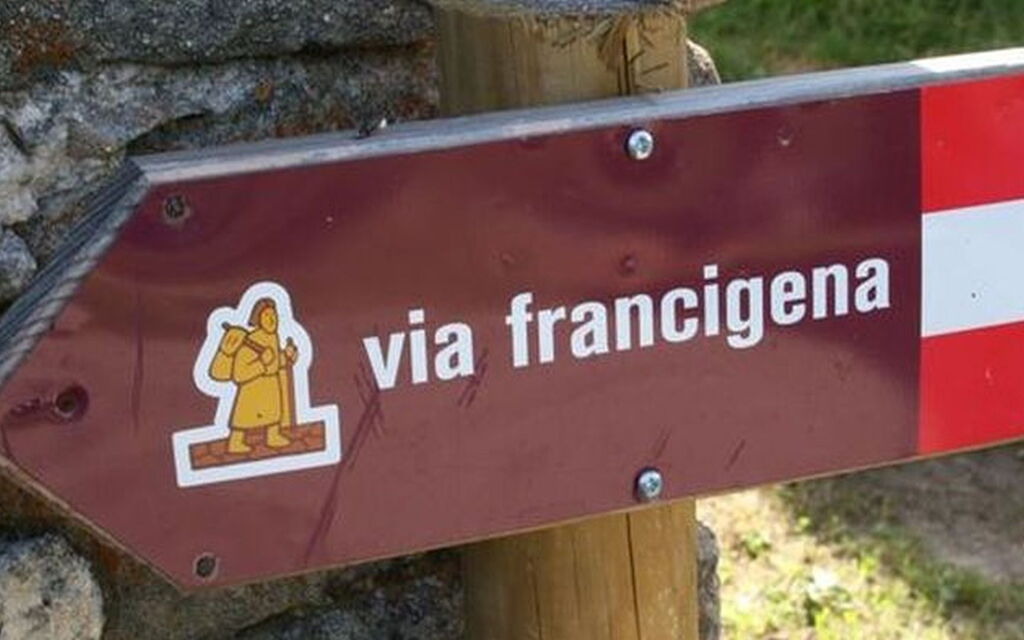
A journey through history and timeless landscapes: the Via Francigena crosses Tuscany from Versilia to Lucca, inspiring a refined and authentic way of travelling.
Tuscany is a story of travel — of history and timeless landscapes. In truth, it is a thousand stories.One of the most fascinating is the Via Francigena, the ancient pilgrimage route linking Canterbury to Rome, crossing Tuscany from north to south through rolling hills that seem to lean gently toward the sea.For many years, this path faded into the background. Locals would sometimes say, “The Francigena used to pass through here” as if it belonged to another era, with no more pilgrims and no more footsteps pressing into its trails.Then the revival of the Camino de Santiago brought renewed interest in Europe’s great pilgrimage routes. Slowly, the Via Francigena came back to life. Today, meeting walkers with backpacks and worn boots along its Tuscan stretches is no longer unusual.Of the roughly 1,000 kilometres of the Italian route, more than a third lies in Tuscany — a land that has always welcomed travellers. Not medieval pilgrims anymore, perhaps, but conscious explorers seeking authenticity and a meaningful connection with the land.So let us lace up our walking shoes and follow the Tuscan stretch together.You don’t need to be a pilgrim, only willing to slow down. Even for a few hours, setting out from the house you’ve chosen as your base, and returning in the evening with the feeling of having stepped through history.Between Sea and HillsAfter crossing into Tuscany at Pontremoli, the route unfolds through medieval villages and wooded paths, skirting the coast near the dramatic Apuan Alps and the elegant Versilia shoreline.The sea is never far away. Even when unseen, it lingers in the air, in the light, in the way the hills suddenly open toward the horizon.The path leads through Camaiore and its ancient abbey of San Pietro, welcoming travellers since the 7th century, before climbing toward Montemagno and descending toward Lucca. Along the way, countless small hamlets invite you to wander slowly beneath trees whose branches weave light into a quiet kaleidoscope.Entering Lucca after hours of walking changes your rhythm. Its Renaissance walls embrace you; the noise softens. You understand why travellers have paused here for centuries.From Lucca, the Via Francigena unfolds through a Tuscany of medieval towers, rolling hills and villages suspended in time: San Miniato, San Gimignano, Monteriggioni.Then comes Siena, beloved around the world, the spiritual heart of the journey.Beyond Siena, the route winds into the timeless landscapes of the Val d’Orcia, reaching San Quirico d'Orcia and Radicofani, Tuscany’s last sentinel before the path continues into Lazio.In Praise of SlownessThe Via Francigena speaks of slowness. Of attention. Of respect. It is powerful on foot, yet equally meaningful when explored at your own pace from a private villa or countryside home. Each day, you can discover a new stretch, returning in the evening not exhausted, but enriched.Because Tuscany’s beauty never fades yet it reveals itself fully only when you resist the urge to rush.What matters is...As T. S. Eliot wrote, what matters is not the arrival, but the journey. Do not simply pass through places. Dwell in them.Choosing a home in Tuscany means stepping into a thousand-year-old story — not as a spectator, but as part of it.If you dream of discovering the Via Francigena without giving up comfort and privacy, explore our curated collection and find your perfect starting point.
Via Francigena: An Invisible Thread from the Sea to Inland Tuscany: Read More