How to Make Tordelli at Home
Tuesday, April 1, 2025,
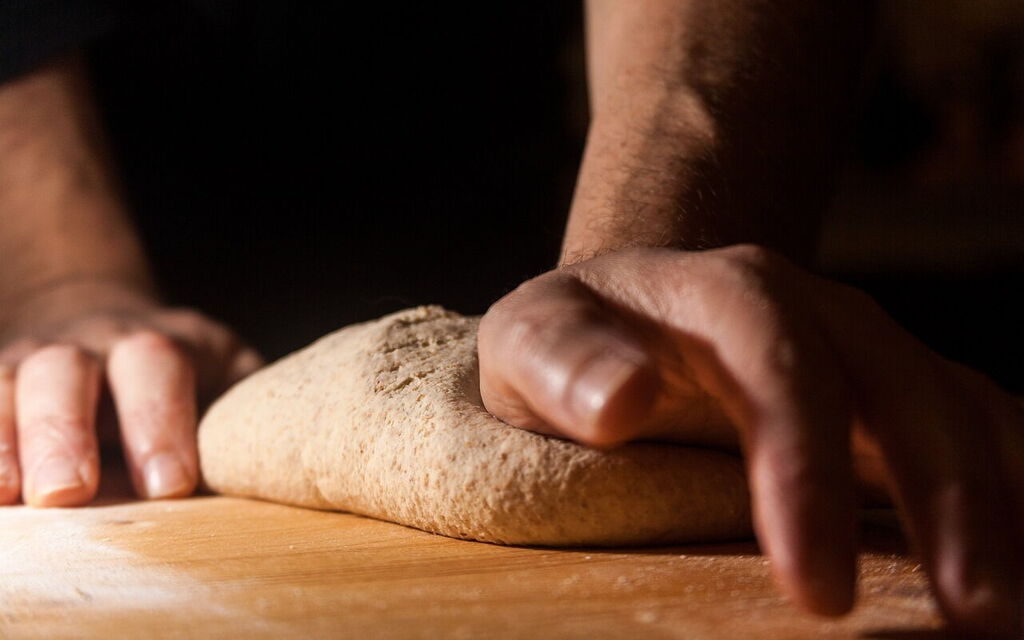
Want to try making tordelli with your own hands? Here’s a simplified version of the traditional recipe: a great way to bring a bit of Tuscan flavor into your kitchen.
For the pasta:300g fine durum wheat semolina200g lukewarm waterA pinch of saltFor the filling:300g ground beef100g ground pork100g finely chopped mortadella50g grated Parmesan cheese50g Pecorino Romano100g stale bread soaked in milk400g chard2 eggsExtra virgin olive oilNutmeg and thymeSalt and pepperFor the sauce:Tuscan meat ragù (or butter and sage for a vegetarian version)Grated Parmesan cheeseInstructionsPrepare the filling: soak the bread in milk and squeeze it well. Boil the chard in salted water, drain, squeeze it well, and roughly chop it. Brown the ground meat in olive oil for a few minutes, then add the chopped mortadella and continue cooking to blend everything together. Transfer the mixture to a bowl, let it cool slightly, and then add the soaked bread, grated cheeses, chard, salt, pepper, nutmeg, plenty of thyme, and finally the eggs. If the mixture is too soft, add some breadcrumbs; if it’s too firm, add a bit of milk.Make the pasta. arrange the semolina in a mound, gradually add the water and a pinch of salt. Knead until you have a smooth, homogeneous dough. Cover with plastic wrap and let it rest for 30 minutes at room temperature.Shape the tordelli: roll out the dough with a rolling pin and cut out circles about 6 cm in diameter. Place a spoonful of filling in the center of each circle, fold it over into a half-moon shape, and seal the edges with the tines of a fork.Cook the tordelli: bring a pot of salted water to a boil and cook the tordelli for about 5-6 minutes (taste to check the cooking time).Serve: top with Tuscan ragù (or butter and sage for a vegetarian version) and sprinkle with grated Parmesan cheese.It takes a bit of time and patience, but the result is pure Tuscan joy!
Versilia Flavors: Discovering the Tordelli of Camaiore
Monday, March 31, 2025,
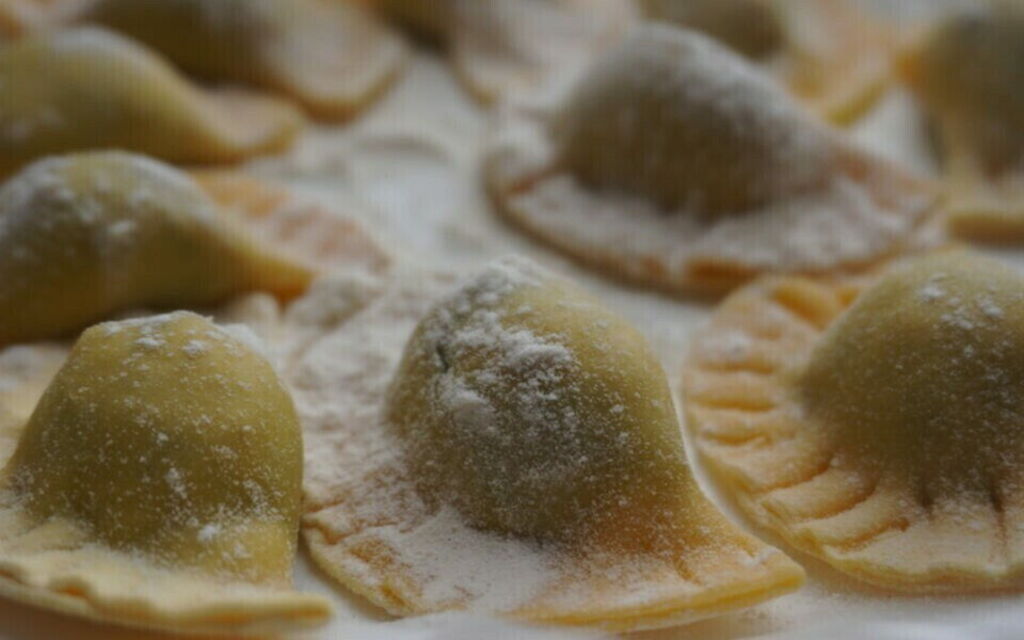
A beloved dish, a village competition, and a golden prize in the Tuscan hills
Filled pasta is a timeless dish, found all over the world - from Italy to Asia, from Germany to Argentina - each place with its own shape, ingredients, and traditions. In Italy alone, there are more than 70 types of filled pasta, from Bologna’s tortellini to Liguria’s pansoti.Here in Camaiore, a charming town nestled between the Apuan Alps and the Versilian coast, the local treasure is called Tordelli: a hearty, meat-filled pasta that speaks of Sundays at home, handwritten recipes, and the unmistakable scent of ragù simmering on the stove.Each family has its own secret version, but they all share that generous filling, tender egg pasta, and the joy of bringing people together. And every year, this simple dish becomes the star of a culinary contest: the Tordello d’Oro, a competition that crowns the best tordelli in Versilia.In 2025, the final night of the contest was hosted by the historic Emilio e Bona trattoria in Lombrici, which also took home the coveted prize. The finalists included Ristorante Raffaello from Levigliani and Ristopasta in Camaiore—three excellent ambassadors of local flavor.The Main Filling IngredientsThe filling for tordelli is made with pork, beef, and sometimes even a touch of prosciutto crudo. Adding pecorino cheese and garlic gives the dish an intense, traditional flavor. The dough is made with flour, eggs, and a bit of extra virgin olive oil, which gives it a soft and delicate texture but is still strong enough to hold the filling.Cooking and DressingOnce prepared, the tordelli are boiled in salted water and then dressed with a hearty meat ragù, which is the true king of the dish. The most traditional version uses a simple ragù made with minced meat, tomato, and a sauté of onion, carrot, and celery. However, there are also restaurants that offer more refined variations, such as a white ragù, where the tomato is replaced with a Parmesan cream and extra virgin olive oil.
Where to Taste the Tordelli in Versilia?In Versilia, nearly every traditional restaurant serves tordelli with ragù. But how to choose where to go?Since 2022, the local magazine Paspartu Magazine has organized the Tordello d’Oro, a competition between restaurateurs that is primarily a way to celebrate a dish that is symbolic of the area. It’s not about declaring one winner: there is no official recipe or standard, each kitchen – professional or home-based – has its version.There are tordelli with thicker or thinner edges, fillings in different proportions, dough rolled by hand or by machine, and classic or creative sauces. Unforgettable are the Tordelli di Vittoriano from the restaurant La Dogana in Capezzano, served in white, with extra virgin olive oil and Parmesan: out of competition, but forever in everyone’s heart.Among the finalists of the Tordello d’Oro editions, you will find: • Emilio e Bona - Lombrici • Ristorante Raffaello – Levigliani • Ristopasta – Camaiore • Osteria Il Vignaccio – Santa Lucia • Il Soggiorno – Pedona • La Piazza – Strettoia • Vino e Merendino – Capezzano Pianore • Trattoria Da Demè – Vallecchia • Ristorante Bernardone – Nocchi • Caffè Centrale – Camaiore • Trattoria Beppino – Valdicastello • Ristorante Rina – CorsanicoTry more than one place: each one tells its own version of this dish!Want to try making tordelli at home? Discover the full recipe here and bring a piece of Versilia to your kitchen!
Where to Taste the Tordelli in Versilia?In Versilia, nearly every traditional restaurant serves tordelli with ragù. But how to choose where to go?Since 2022, the local magazine Paspartu Magazine has organized the Tordello d’Oro, a competition between restaurateurs that is primarily a way to celebrate a dish that is symbolic of the area. It’s not about declaring one winner: there is no official recipe or standard, each kitchen – professional or home-based – has its version.There are tordelli with thicker or thinner edges, fillings in different proportions, dough rolled by hand or by machine, and classic or creative sauces. Unforgettable are the Tordelli di Vittoriano from the restaurant La Dogana in Capezzano, served in white, with extra virgin olive oil and Parmesan: out of competition, but forever in everyone’s heart.Among the finalists of the Tordello d’Oro editions, you will find: • Emilio e Bona - Lombrici • Ristorante Raffaello – Levigliani • Ristopasta – Camaiore • Osteria Il Vignaccio – Santa Lucia • Il Soggiorno – Pedona • La Piazza – Strettoia • Vino e Merendino – Capezzano Pianore • Trattoria Da Demè – Vallecchia • Ristorante Bernardone – Nocchi • Caffè Centrale – Camaiore • Trattoria Beppino – Valdicastello • Ristorante Rina – CorsanicoTry more than one place: each one tells its own version of this dish!Want to try making tordelli at home? Discover the full recipe here and bring a piece of Versilia to your kitchen!
Versilia Flavors: Discovering the Tordelli of Camaiore: Read More
What is the tourist tax and how does it work?
Monday, March 17, 2025,

Everything vacation rental owners need to know about rates, collection, and compliance.
If you own a holiday home or manage a short-term rental in Tuscany, understanding how the tourist tax works is essential. Each municipality can set different rates, exemptions and seasonal rules, which makes it important for property owners to stay informed and compliant.
In this guide, you will find a clear explanation of how the tourist tax works in Italy and an updated overview of the main tourist destinations in Tuscany.
What is the tourist tax in Italy?
The tourist tax is a local levy that Italian municipalities may apply to guests staying in accommodation facilities, including holiday homes, tourist apartments and short-term rentals.
It was introduced by Legislative Decree No. 23 of 14 March 2011 and is mainly applied in tourist areas and cities of historical or cultural interest.
Each municipality can independently decide:
• whether to introduce the tax
• the amount to be charged
• how many nights it applies to
• possible exemptions
National legislation generally sets a maximum amount of €5 per person per night, although specific authorisations may apply — as in the case of Florence, which applies a higher rate as a premier global art destination.
Who has to pay the tourist tax?
The tourist tax is paid by guests, while property owners or rental managers are responsible for collecting and managing it.
Depending on local regulations, the tax is usually paid at check-in or before departure.
Property owners are typically required to:
• collect the tax from guests
• register their property on the municipal portal
• report guest stays and overnight numbers
• transfer the collected amounts within the required deadlines
Exemptions often apply to minors below a certain age, people with disabilities and accompanying persons, as well as specific professional categories.
Tourist tax rates in Tuscany for Tourist Rentals (2026)
Below is a comprehensive overview of the tourist tax currently applied in the municipalities we manage, organised by province.
Municipality
Rate per person per night
Maximum number of nights
Minor exemption
Seasonal notes
— Province of Florence —
Florence
€6.00
7 nights
under 12 years
Applies all year round
— Province of Lucca —
Lucca
€3.50
3 nights
under 14 years
Applies all year round
Capannori
€2.00
3 nights
under 14 years
Applies all year round
Pescaglia
€2.00
5 nights
under 14 years
Applies all year round
Viareggio
€1.50
10 nights
under 18 years
Applies all year round
Camaiore
€1.50
7 nights
under 14 years
From 1 June to 30 September
Massarosa
€1.50
5 nights
under 18 years
Applies all year round
Forte dei Marmi
€1.50
7 nights
under 15 years
From 1 June to 15 September
Pietrasanta
€1.50
7 nights
under 14 years
From 1 June to 30 September
— Province of Pistoia —
Pistoia
€1.00
5 nights
under 14 years
Applies all year round
Serravalle Pistoiese
€1.00
5 nights
under 12 years
Applies all year round
Montecatini Terme
€1.00
7 nights
under 12 years
20% reduction in December and January
— Province of Pisa —
Pisa
€2.50
5 nights (high) / 3 (low)
under 12 years
High season Easter to November
— Province of Siena —
Siena
€2.00
4 nights
under 12 years
Applies all year round
San Gimignano
€1.50
5 nights
under 14 years
From 1 March to 31 October
— Province of Arezzo —
Cortona
€2.50
4 nights
under 12 years
50% reduction in winter months
The information provided in this article is for general informational purposes only and does not constitute legal or tax advice. Tourist tax rates and regulations may change at any time. Tuscanhouses accepts no responsibility for any inaccuracies or omissions. Property owners are always advised to verify current rates and rules directly with their local municipality or a qualified professional.
Special focus: the Florence city tax
As one of the world's most visited art cities, Florence applies a specific rate of €6.00 per person per night for holiday rentals, above the standard national cap.
A few key points for hosts managing properties in Florence:
• Major booking platforms such as Airbnb typically collect this tax automatically on behalf of hosts
• For direct bookings, the host is responsible for collecting the tax manually
• The tax applies for a maximum of 7 consecutive nights per stay
• Revenue is reinvested in the maintenance of the city's UNESCO World Heritage sites
How is the tourist tax managed?
In most Tuscan municipalities, the management of the tourist tax is now largely digital. Property owners must usually register their accommodation on a dedicated online platform in order to:
• access operational guidelines and local regulations
• submit guest stay declarations
• calculate the tax due
• make payments, often via the PagoPA system
Correctly managing the tourist tax is an important legal obligation and helps ensure a transparent and professional experience for guests.
Why staying updated is essential for property owners
In recent years, more and more municipalities in Tuscany have introduced or revised their tourist tax regulations. For owners of holiday homes and short-term rentals, staying informed is crucial to avoid penalties and manage bookings efficiently.
Working with a professional local agency can significantly simplify administrative tasks, pricing strategies and guest communication.
Need support with your holiday rental in Tuscany?
Managing the tourist tax is only one aspect of running a successful holiday rental.
If you own a property in Tuscany and would like professional assistance with bookings, pricing optimisation, guest services and legal compliance, Tuscanhouses can help you maximise your rental income with complete peace of mind.
Contact us for tailored advice on renting out your property in Tuscany.