Lucca: The Best Village Festivals in the Lucca Area 2026
Thursday, June 11, 2026,
Tordelli, traditional desserts, porcini mushrooms and authentic Tuscan traditions
If you are planning a holiday in the province of Lucca during the summer, one of the most authentic experiences we can recommend is attending a traditional village festival, known in Italy as a sagra.
From the hills of Matraia to the villages of the Lucca Plain, summer is filled with food festivals celebrating local recipes, regional products and the simple pleasure of spending time together.
To discover why these events are such an important part of Tuscan culture, we also recommend reading our complete guide:
Tuscany Village Festivals 2026: The Tuscanhouses Guide to Experiencing Tuscany Like a LocalJune 2026Homemade Tordelli FestivalSegromigno in Monte
Dates
• June 2 • June 6
• June 13–14
• June 20–21
• June 27–28
One of the most beloved food festivals in the Lucca area, dedicated to the famous Lucchese tordelli served with traditional meat ragù.
Farinata Festival
Marlia
Dates
• June 6–7
• June 13–14
• June 20–21
• June 27–28
A perfect opportunity to discover one of Lucca’s most traditional desserts, prepared according to recipes passed down through generations.Tagliarino Festival
Paganico
Dates
• June 19–21
• June 26–28
• July 3–5
One of the historic festivals of the Lucca Plain, where handmade tagliarini pasta takes centre stage.
Sweet Olive Festival
Matraia
Dates
• June 26–28
• July 3–5
• July 10–12
Surrounded by olive groves and stunning views over the Lucchese hills, this festival celebrates one of the area's most distinctive olive varieties
Porcini Mushroom and Polenta FestivalMassa MacinaiaDates
• June 27–28
• July 4–5
• July 11–12
• July 18–19
• July 25–26
The aroma of porcini mushrooms, steaming polenta and traditional Tuscan cooking makes this one of the most anticipated events of the summer.Zuppa alla Frantoiana FestivalSegromigno in Piano
Dates
• July 4–5
• July 11–12
• July 18–19
• July 25–26
One of the signature dishes of Lucchese cuisine, prepared with simple ingredients full of flavour and tradition.
San Jacopo Village Festival
Lammari
Dates
• July 4–5
• July 11–12
• July 18–19
• July 25–26
A classic Tuscan village celebration where food, music and community come together during warm summer evenings.
Noah’s Ark Festival
Segromigno in Monte
Dates
• August 1–2
• August 8–9
• August 15–16
• August 22–23
• August 29–30
A much-loved local event featuring traditional food, live entertainment and activities for the whole family.
Don't Miss: Montecarlo Wine FestivalMontecarlo (Lucca)
August 28 – September 8, 2026
Among all the events taking place in the Lucca area, the Montecarlo Wine Festival deserves a special mention.
For more than a week, the beautiful medieval village of Montecarlo becomes the heart of Tuscan wine culture, hosting tastings, food stalls, live music and events dedicated to the region’s excellent wines.
If you are visiting Tuscany between late August and early September, this is undoubtedly one of the most charming events in the entire province.
Opening Hours
• Weekdays: 5:00 PM – Midnight
• Saturdays and Sundays: 12:00 PM – Midnight
Recommended Evenings
• August 31
• September 4
• September 5
• September 6
Where to Stay to Explore the Lucca Area
Many of the festivals featured in this guide are located just a short drive from Tuscanhouses properties.
Some of our most convenient villas and holiday homes for exploring the Lucca countryside include:
• Villa Calliope
• Villa Dell'Angelo
• Il Ruscello di Giava• Sunrise• Villa Alberto• Meriggio Barn• Villa Steffy• Furbina• Casale ValentinoFor updated recommendations and local tips during your stay, feel free to contact our team.
We will be delighted to help you experience Tuscany like a local.
From the hills of Matraia to the villages of the Lucca Plain, summer is filled with food festivals celebrating local recipes, regional products and the simple pleasure of spending time together.
To discover why these events are such an important part of Tuscan culture, we also recommend reading our complete guide:
Tuscany Village Festivals 2026: The Tuscanhouses Guide to Experiencing Tuscany Like a LocalJune 2026Homemade Tordelli FestivalSegromigno in Monte
Dates
• June 2 • June 6
• June 13–14
• June 20–21
• June 27–28
One of the most beloved food festivals in the Lucca area, dedicated to the famous Lucchese tordelli served with traditional meat ragù.
Farinata Festival
Marlia
Dates
• June 6–7
• June 13–14
• June 20–21
• June 27–28
A perfect opportunity to discover one of Lucca’s most traditional desserts, prepared according to recipes passed down through generations.Tagliarino Festival
Paganico
Dates
• June 19–21
• June 26–28
• July 3–5
One of the historic festivals of the Lucca Plain, where handmade tagliarini pasta takes centre stage.
Sweet Olive Festival
Matraia
Dates
• June 26–28
• July 3–5
• July 10–12
Surrounded by olive groves and stunning views over the Lucchese hills, this festival celebrates one of the area's most distinctive olive varieties
Porcini Mushroom and Polenta FestivalMassa MacinaiaDates
• June 27–28
• July 4–5
• July 11–12
• July 18–19
• July 25–26
The aroma of porcini mushrooms, steaming polenta and traditional Tuscan cooking makes this one of the most anticipated events of the summer.Zuppa alla Frantoiana FestivalSegromigno in Piano
Dates
• July 4–5
• July 11–12
• July 18–19
• July 25–26
One of the signature dishes of Lucchese cuisine, prepared with simple ingredients full of flavour and tradition.
San Jacopo Village Festival
Lammari
Dates
• July 4–5
• July 11–12
• July 18–19
• July 25–26
A classic Tuscan village celebration where food, music and community come together during warm summer evenings.
Noah’s Ark Festival
Segromigno in Monte
Dates
• August 1–2
• August 8–9
• August 15–16
• August 22–23
• August 29–30
A much-loved local event featuring traditional food, live entertainment and activities for the whole family.
Don't Miss: Montecarlo Wine FestivalMontecarlo (Lucca)
August 28 – September 8, 2026
Among all the events taking place in the Lucca area, the Montecarlo Wine Festival deserves a special mention.
For more than a week, the beautiful medieval village of Montecarlo becomes the heart of Tuscan wine culture, hosting tastings, food stalls, live music and events dedicated to the region’s excellent wines.
If you are visiting Tuscany between late August and early September, this is undoubtedly one of the most charming events in the entire province.
Opening Hours
• Weekdays: 5:00 PM – Midnight
• Saturdays and Sundays: 12:00 PM – Midnight
Recommended Evenings
• August 31
• September 4
• September 5
• September 6
Where to Stay to Explore the Lucca Area
Many of the festivals featured in this guide are located just a short drive from Tuscanhouses properties.
Some of our most convenient villas and holiday homes for exploring the Lucca countryside include:
• Villa Calliope
• Villa Dell'Angelo
• Il Ruscello di Giava• Sunrise• Villa Alberto• Meriggio Barn• Villa Steffy• Furbina• Casale ValentinoFor updated recommendations and local tips during your stay, feel free to contact our team.
We will be delighted to help you experience Tuscany like a local.
Lucca: The Best Village Festivals in the Lucca Area 2026: Read More
Versilia & Beyond: Between Gastronomy and Culture, Here is Our Exclusive Guide
Friday, June 5, 2026,
Discover the true flavors of Versilia. From hidden trattorias in the cool hills to iconic beachside spots and Michelin-starred dining, here is our ultimate insider guide to eating like a local.
Welcome to Versilia: a perfect microcosm where the whispered luxury of the coast meets the wild nature of the hills and the refined art of the towns. To help you experience Tuscany like a true insider, we have selected our favorite spots. No tourist traps here: only the bars, restaurants, and trattorias that we truly love and frequent.Insider Tip: This guide is a living organism, constantly updated. Bookmark this page and check back before booking your next dinner!Morning: The Breakfast RitualIn Italy, breakfast is not just the first meal of the day: it is a small ritual of pleasure, a slow awakening. In Versilia, you will find that this ritual changes character from town to town, and even from bar to bar. Here is where to start your day on the right foot:In CamaioreBar del Dotto: Stop by the pedestrian center for an impeccable espresso or a creamy cappuccino. If you love artisanal chocolate, this is your temple. [see on google map]Pasticceria Lorenzo: Located on the main thoroughfare, it is the ideal choice for a gourmet pastry breakfast, where tradition marries modern techniques and refined presentations. [see on google map]Pasticceria Rossano: Located opposite the stadium, it is a local institution—not only for its extraordinary quality and overwhelming courtesy, but also for the (proverbial!) generosity of its brioches. [see on google map]In ViareggioGalliano: Located on the historic promenade, it is a must-visit to taste the legendary budino di riso (rice pudding pastry, also available in a gluten-free version). [see on google map]Patalani: Head toward the market square for their historic bomboloni (Italian doughnuts). Their secret? They are baked, making them incredibly light yet delightfully indulgent. [see on google map]In PietrasantaPasticceria il Duomo: If you prefer a savory note in the morning, this is the place for you. It offers a wide selection of savory as well as sweet brioches, to be enjoyed while admiring the vibrant atmosphere of the artists' square. [see on google map]In Forte dei MarmiDa Valé: A timeless legend. Sitting here means tasting their irresistible, iconic hot savory focaccine, while leaving just enough room for a cream-filled bombolone. [see on google map]Caffè Principe: Established in the 1930s and recently renovated by the Prada Group, this historic café is the epicenter of elegance for a couture breakfast or a chic aperitivo to see and be seen. [see on google map]Lunch or Dinner: Where Are We Heading Today?Whether it is a romantic dinner by the sea, a refined tasting menu, or a lunch in a trattoria nestled among olive trees, Tuscany never fails to surprise. From the sea to the hills, dining in Versilia is a continuous journey between contemporary elegance and recipes handed down from generation to generation. Here you will find extraordinary spots offering high-end signature cuisine in locations full of charm.Signature Flavors Between Sea and PlainsIl Merlo (Lido di Camaiore): Contemporary luxury. Chef Angelo Torcigliani combines gastronomic excellence with elegance. The cuisine is solid, technical, and tied to the best local ingredients. An elite experience (prices included) that rivals the most celebrated tables on the coast. [see on google map]La Dogana (Capezzano Pianore): Suspended between sea and mountains. A beautiful location and excellent cuisine. A restaurant run like a family, with Daniele as your host. For the wine selection, let yourself be guided by Cristian’s expertise—it is always a wonderful surprise. [see on google map]Buonamico (Viareggio): A historic and reliable landmark in Viareggio, where seafaring tradition is served with elegance and consistent quality. [see on google map]Emilio e Bona (Vado di Camaiore): An address beloved by insiders for its authentic flavors, careful selection of raw ingredients, and the warm hospitality typical of great Tuscan tables. Don’t miss the tordelli with meat sauce! [see on google map]Meat and Pasta in CamaioreDa Alan: The ultimate destination for those who cannot do without selected cuts of meat, masterful dry-aging, and precision grilling. [see on google map]Ristopasta: Dedicated to true lovers of homemade fresh pasta made to perfection, paired with rich, traditional sauces executed with a contemporary touch. [see on google map]The Spirit of the Harbor and the Beach (Viareggio & Environs)Santa Monica (Viareggio): Sincere and refined. At midday, it is frequented by shipowners, crews of mega-yachts, and shipyard professionals. That is because its cuisine is straightforward—just like the people of Viareggio! [see on google map]Portus (Viareggio): Gather here at 6:00 PM for an aperitivo while watching the sun dive into the sea, then stay for dinner. All the catch comes directly from the Viareggio fishermen's cooperative. It doesn't get fresher than this. [see on google map]La Risacca (Viareggio): The seafood restaurant of Bagno La Perla. Tables right on the beach, the scent of sea salt, and a curated seafood menu: the very essence of a summer dinner. [see on google map]Bagno Sauro (Viareggio): Stella is at the helm in the kitchen, guaranteeing home-cooked meals tied to tradition. An absolute must-try: the legendary cozze ripiene alla viareggina (Viareggio-style stuffed mussels). [see on google map]Basilico Fresco (Torre del Lago): A relaxed atmosphere and that endless vacation feeling. The owner recently received a Lifetime Achievement Award at the culinary Oscars; his seafood dishes will win you over. [see on google map]The Must-Visit PizzeriasPizza in Versilia? It is all about ancient grain research and gourmet toppings using premium ingredients.Apogeo (Pietrasanta/Forte dei Marmi): Much more than a pizzeria, it is a true research laboratory for long-fermentation doughs. Multi-award-winning and unmissable. [see on google map]Grano Vivo (Lido di Camaiore): Here, pizza meets its ultimate contemporary expression. A sacred respect for digestibility, surprising textures, and excellent attention to gluten-free options. [see on google map]I Sogni Appesi (Camaiore): Great pizza and a perfect location for a relaxed family evening out in Camaiore’s main square. [see on google map]Cenami (Massarosa): A historic and authentic landmark for those seeking tradition and time-tested quality. [see on google map]La Tana Del Gusto (Pieve di Camaiore): A small, cozy hideaway where pizza is strictly cooked in a wood-fired oven. It is also the ideal spot for an informal aperitivo featuring rich platters of local cold cuts and cheeses. [see on google map]In the Cool Hills (Authentic Trattorias)When the coastal air gets too warm, retreat to the hills, where tables are made of wood, the breeze is refreshing, and the flavors become intense.Osteria Candalla (Camaiore): A fairytale setting. Tables are set up along the river, nestled among the rocks and greenery of an ancient mill. The atmosphere is magical, cool, and incredibly romantic. [see on google map]Antico Frantoio (Nocchi): Rustic-chic charm. Housed in an old olive oil mill with exposed stone walls and historic millstones. The cuisine modernizes Versilian tradition with elegance, focusing on land-based ingredients. [See on Google Maps]Trattoria Il Sorriso (Pedona): Perched on the hills of Camaiore, it welcomes you with breathtaking views and the true, authentic flavors of the region. Perfect for escaping the summer heat. [See on Google Maps]Trattoria Il Mattarello (Torcigliano): Everything here is strictly homemade. Their panzanelle served with local cold cuts are out of this world, as are the fresh pasta dishes. The road up is winding, but the view and the food make every curve worth it. [See on Google Maps]Ristorante Bernardone (Nocchi): A timeless classic for anyone seeking the truest Tuscan authenticity, the legendary Versilian tordelli, and old-school warm hospitality. [See on Google Maps]Osteria Le Terme (Massaciuccoli): Tradition and innovation blend in this venue, which offers an excellent seasonal menu of meat and fish (try the spaghetti with mussel ragù or the red potato ravioli with sage). It boasts a monumental wine list featuring around 700 labels. [See on Google Maps]Trattoria la Pieve (Pieve di Camaiore): From pizza to peposo (Tuscan beef stew), from fried mushrooms to homemade tordelli. The atmosphere is pleasantly casual, the kitchen is mindful of local sourcing, and the portions are decidedly generous. Exactly what you expect from a true, authentic Tuscan trattoria. [See on Google Maps]Inclusive Dining: Intolerances and Conscious ChoicesFor us, sitting down at the table is a joy that should bring everyone together, without anyone having to compromise on taste. Here are the specialized spots that are well worth a detour:MareMare (Lido di Camaiore): By the sea and 100% Gluten & Lactose-Free. A restaurant right on the beach with a kitchen completely free of gluten and dairy. Artisanal fresh pasta, ultra-crispy fried seafood, and excellent tortelli stuffed with langoustines and prawns. [See on Google Maps]Pasticceria Oro Nero (Viareggio): An artisanal paradise for celiacs. Here you will find spectacular gluten-free pastries, croissants, and even a phenomenal pain au chocolat. [See on Google Maps]Sementis Bakery & Sementis Ristorante (Pietrasanta): Two landmark spots for organic, entirely plant-based, and gluten-free cuisine. Traditional dishes are reinterpreted with a vegan twist, showing immense creativity and flavor. [See on Google Maps]La Volpe e l’Uva (Pietrasanta): A venue that dedicates rigorous care and research to gluten-free dining. Their own house-made bread, focaccia, and fresh pasta guarantee a full menu in total safety. [See on Google Maps]La Posteria (Viareggio): A delightful spot that combines typical products from the Garfagnana region with a wide and carefully curated vegan, vegetarian, and gluten-free selection. [See on Google Maps]AV Gluten Free (Forte dei Marmi): The famous Florentine brand has opened a branch in Forte: the perfect place for a sudden craving for stuffed Tuscan schiacciata in total gluten-free safety. [See on Google Maps]Michelin-Starred VersiliaWe close this roundup by dedicating ourselves to absolute excellence, designed for those who want to treat themselves to a memorable gastronomic experience. A region that has always been accustomed to beauty could only excel at the table: Versilia shines in the Michelin Guide with extraordinary restaurants capable of combining exclusive atmospheres, avant-garde research, and impeccable technique.The Stars of ViareggioIl Piccolo Principe (2 Michelin Stars): The ultimate choice for a romantic evening. Chef Giuseppe Mancino offers an elegant and creative cuisine, served in intimate, refined settings with a breathtaking view of the promenade. [See on Google Maps]Romano (1 Michelin Star): The longest-running Michelin star in Italy. The Franceschini family carries forward an essential cuisine full of character, specialized in seafood but masterfully integrating land elements with flawless balance. [See on Google Maps]Lunasia (1 Michelin Star): Art and the avant-garde. Located in the glamorous heart of the Principino, Chef Luca Landi blends classicism and innovation into colorful, theatrical, and surprising dishes. Every course is a small painting. [See on Google Maps]The Stars of Forte dei MarmiLorenzo (1 Michelin Star): A legend of hospitality. Excellent fish, an imposing wine list, and old-school service. The famous tableside, hand-whipped mayonnaise prepared right in front of you is an experience within the experience. [See on Google Maps]Bistrot (1 Michelin Star): Colonial style and an open kitchen. Helmed by Chef Andrea Mattei, it is the landmark for lovers of contemporary seafood. Enjoy jazz notes in the background and a monumental cellar for bespoke private dinners. [See on Google Maps]La Magnolia – Hotel Byron (1 Michelin Star): Luxury by the pool. Chef Marco Bernardo offers a cuisine born from Mediterranean tradition, built on the purity of ingredients. In summer, dining in their garden is unforgettable. [See on Google Maps]Lux Lucis – Principe Forte dei Marmi (1 Michelin Star): Evolution on the Roof Garden. A spectacular sea view meets the sophisticated cuisine of Chef Valentino Cassanelli, who creates a dialogue between the aromas of the Tuscan coast and the flavors of his homeland, Emilia. [See on Google Maps]Sciabola – Hotel St. Mauritius (1 Michelin Star): The newcomer of the year. Guided by Chef Alessandro Ferrarini, it wins guests over with a colorful, fun menu based on impeccable technique and great respect for the raw ingredients. [See on Google Maps]A memorable culinary journey deserves an equally extraordinary stay. Explore our exclusive collection of luxury villas and charming homes in Versilia, handpicked to offer you the perfect Tuscan retreat. Find Your Dream Villa in Versilia e Seaside
Versilia & Beyond: Between Gastronomy and Culture, Here is Our Exclusive Guide: Read More
Pisa and its surroundings: beyond the Leaning Tower, amidst art, rivers, maritime parks, and hillside villages
Friday, May 29, 2026,
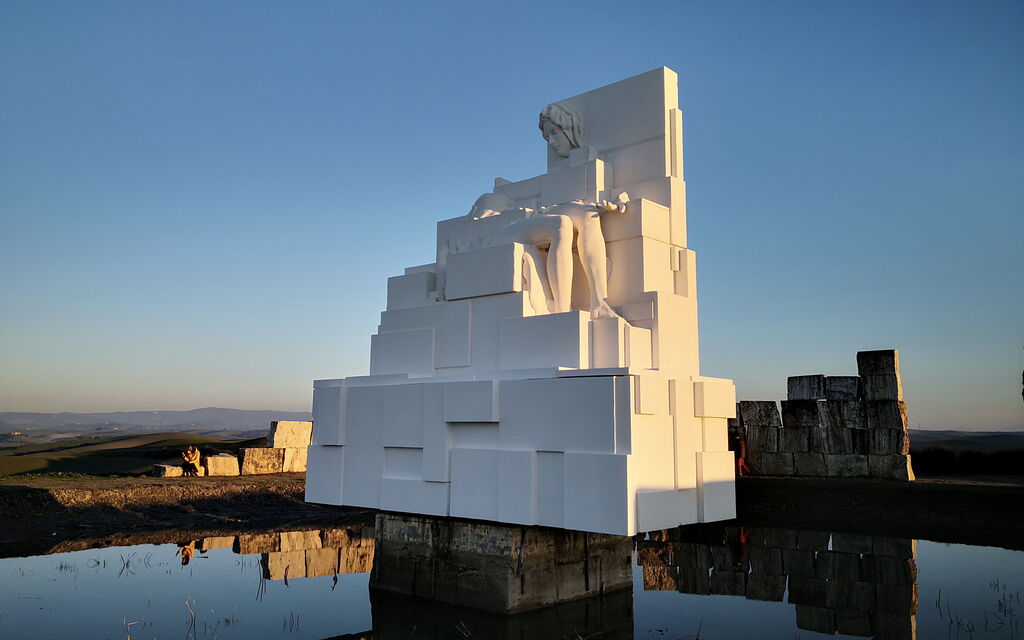
Discover Pisa and its surroundings: beyond the Leaning Tower, explore the scenic Lungarni, Keith Haring’s art, the wild San Rossore coast, and the magical Theatre of Silence.
If you are exploring the wonders of northern Tuscany, Pisa is an essential stop that blends thousands of years of history with a vibrant university soul. Together with Lucca and Pistoia, it forms a unique itinerary that we recommend discovering in our guide to Tuscany's perfect triangle.Pisa is world-famous for its Tower, but stopping only at Piazza dei Miracoli means missing out on the best part. The city and its extraordinary territory hide Gothic treasures, contemporary art murals, immense nature reserves, a surprising coastline, and hillside villages where art and ancient traditions come alive.What to do in the city… for a short stayBe enchanted by Piazza dei Miracoli: Admire the Cathedral, the Baptistery (with its incredible acoustics), and, of course, the Leaning Tower. Climbing its tilted steps is a bizarre and unforgettable experience.Stroll along the Lungarni at sunset: Pisa’s riverside streets, celebrated by poets and writers, are the true social heart of the city. Enjoy the view of the noble palaces reflecting on the Arno River and stop to admire the tiny, Gothic Church of Santa Maria della Spina, which looks as if it is delicately resting on the water.Find Keith Haring’s "Tuttomondo" mural: One of the last great public works by the American artist. Painted on the facade of the Sant'Antonio convent, it is an explosion of colors and figures celebrating peace, harmony, and life.Experience the atmosphere of Piazza dei Cavalieri: Designed by Giorgio Vasari, this was the political center of medieval Pisa. Today, it hosts the prestigious Scuola Normale Superiore university and is dominated by the majestic Palazzo dell'Orologio.Hidden gems… for those staying a week or longerIf you have a few extra days, dedicate them to hunting down the most mysterious and unusual details of the historic center:The solar clock and Galileo’s "kiss" in the Cathedral: Inside the Duomo, look for the bronze lamp (known precisely as Galileo's lamp). Legend has it that the famous Pisan scientist formulated the theory of the isochronism of the pendulum just by watching its swings during a mass.The mysterious Devil's claws on the Cathedral: On the outside wall of the Cathedral (facing the cemetery), look for a marble stone full of small holes. Legend says they are the scratches left by the Devil as he tried to climb up to stop the construction. Fun fact: it is said that if you try to count them, you will get a different number every single time!The other leaning towers: The most famous Tower is not the only one that leans due to the clay-heavy soil! Look for the bell tower of the Church of San Nicola (slightly tilted and octagonal in shape) and that of the Church of San Michele degli Scalzi, which showcases a truly dramatic tilt.Nature, coast, villages, and relaxation: heading out of townExplore the Migliarino, San Rossore, Massaciuccoli Natural Park: Just a stone's throw from the center lies a gigantic nature reserve where you can walk, cycle, or horse-ride through ancient pine forests, sand dunes, and free-roaming fallow deer.Take a dip in Marina di Pisa and Tirrenia: The Pisan coast offers perfect beaches for relaxation, characterized by the famous artificial rock barriers in Marina and the wide sandy stretches surrounded by Mediterranean scrub in Tirrenia. If you are in Marina di Pisa, we absolutely recommend a gastronomic stop at Laboratorio Mediterraneo, an excellent restaurant and take-away serving fresh, locally caught seafood—perfect for an authentic lunch.Rejuvenate at the San Giuliano Thermal Baths (Bagni di Pisa): For a day of pure relaxation, visit these historic thermal baths, which in the past welcomed the Grand Dukes of Tuscany as well as illustrious writers and poets like Shelley and Byron.Go truffle hunting in the medieval village of San Miniato: If you are in the mood for an outstanding gastronomic tour, you cannot miss this splendid medieval town perched on a hill along the Via Francigena. San Miniato is the Tuscan capital of the white truffle; lose yourself in its historic alleys, climb the Tower of Frederick II for a breathtaking view over the Arno plain, and treat yourself to a gourmet stop at one of its historic trattorias to taste local dishes enriched with local "white gold."Contemporary views in the delightful village of Peccioli: This small hillside village is a true jewel that has successfully blended its medieval soul with contemporary art. Walking through its alleys, you will come across open-air art installations, colorful walkways suspended in mid-air, and breathtaking panoramic terraces overlooking the Valdera valley. You can stop for a coffee or an aperitif at La Terrazza bar or enjoy the carefully curated cuisine of Caffè Haus Osteria.The notes of Lajatico and the Theatre of Silence: World-famous as the birthplace of Andrea Bocelli, this village hosts a unique natural amphitheater nestled in the beautiful setting of the Pisan hills. Built to host just one grand concert a year (by Bocelli himself), for the rest of the time it remains a place of absolute quiet where art dialogues with nature. The magic of the place continues at Anteprima del Silenzio: a cocktail bar and bistrot with an exceptional view over the hills and the theater itself, perfect for a striking aperitif or lunch.Ready to leave? Find the perfect base for your tripWhether you are looking for a dream villa with a pool surrounded by olive trees or a seaside accommodation for the whole family, we have the perfect solution to let you experience the Pisan territory like a true insider.Discover our available homes in this area and book your favorite:Casa di Dante - 8 sleepsCasa degli olivi - 5 sleepsCasa dei Gigli di Dante - 8 sleeps