Easter in Tuscany is always a good idea!
Monday, April 14, 2025,
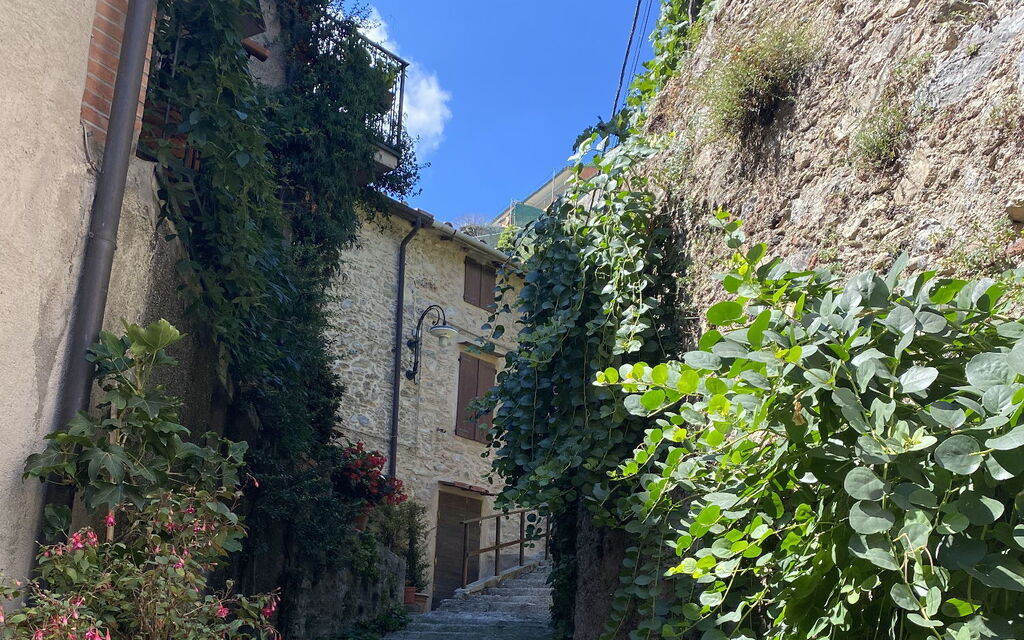
From the candle-lit streets of Camaiore to the sweet Easter treats of Lucca and Pisa and the countryside charm of Pistoia — discover ancient traditions, local flavors, and unforgettable landscapes during your Easter getaway.
Solemn rituals and timeless charmIn the heart of Lucca’s countryside, every three years, the village of Camaiore hosts the Triennale del Cristo Morto, a moving nighttime procession involving the entire community. 17th-century wooden statues, thousands of handmade oil lamps, and a powerful silence transform the old town into a glowing path of devotion and reflection.In Vico Pisano, Good Friday is marked by a traditional live Via Crucis that winds through the medieval streets. Across the provinces of Pisa and Pistoia, ancient confraternities still bring the Passion to life with dramatic reenactments, songs, torches, and period costumes.A journey through Easter flavorsBut Easter in Tuscany is also a feast for the palate, thanks to a variety of local pastries and desserts, each unique to its area.In Lucca and the Garfagnana, the star is the Pasimata: a sweet or savory bread loaf flavored with anise seeds, symbolizing sharing and spiritual unity.In Versilia, the undisputed stars are the homemade tarts: filled with custard, ricotta, semolina, or rice and chocolate. The most beloved? The rice and chocolate tart, also called Torta coi Becchi (tart with beaks) for its signature crimped edge made of pastry.In the Pisa area, a similar version is known as the Torta coi Bischeri, enriched with raisins, candied fruit, and spices. In Massa, the tradition is a hearty rice cake, while in Pistoia, Easter gifts often include scole, sweet anise-flavored buns.Don’t miss the Quaresimali, cookies shaped like alphabet letters – still found in local bakeries – perfect for a sweet souvenir.Easter Monday: legends and countryside picnicsIn Tuscany, Easter Monday is all about outdoor trips, shared meals, and old legends.In Lucca, the day is known as the Pellegrino’s Day, inspired by a local legend of the Risen Christ wandering door to door, seeking hospitality and testing people’s generosity.To this day, many locals mark the occasion with a traditional walk to Santallago, in the Pisan Hills: a festive hike with friends, boiled eggs rolled in the grass for fun, rustic picnics featuring roasted lamb, and spontaneous races to the hilltop.A growing favorite for Easter holidaysIt’s no surprise that Tuscany ranks among the top destinations for Easter travelers. While iconic cities like Florence, Pisa, and Lucca draw visitors from across Europe, it’s the charming villages and local customs that truly enrich the experience.Blending faith, nature, and flavor, Easter in Tuscany is the perfect occasion to slow down, savor, and be surprised.Looking for the ideal place to stay during your Easter break in Tuscany?Take a look at the wide selection of charming homes on tuscanhouses.com and find the perfect one for you!
How to Make Tordelli at Home
Tuesday, April 1, 2025,
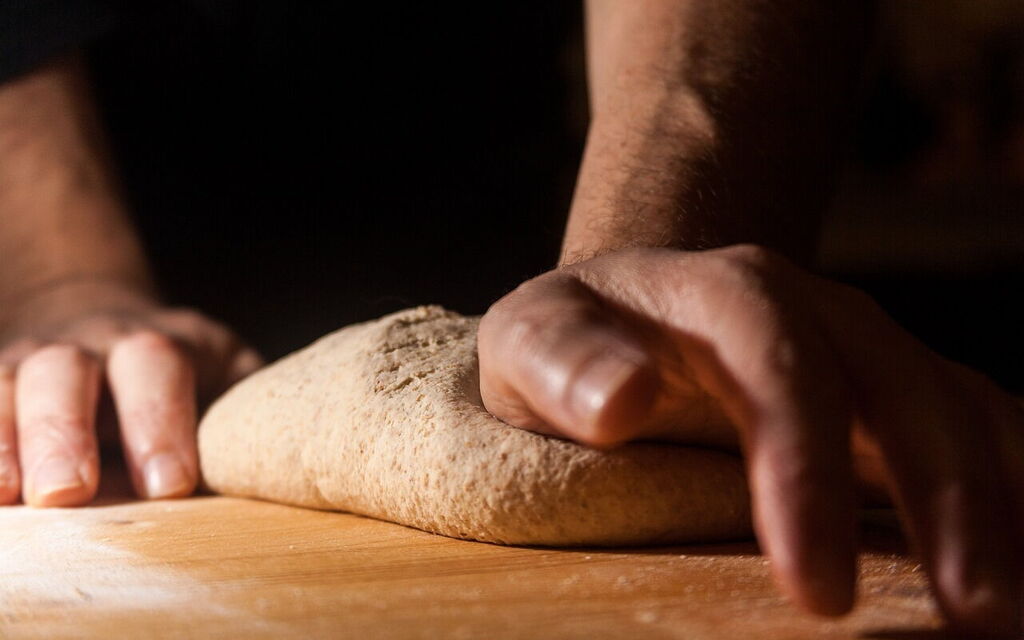
Want to try making tordelli with your own hands? Here’s a simplified version of the traditional recipe: a great way to bring a bit of Tuscan flavor into your kitchen.
For the pasta:300g fine durum wheat semolina200g lukewarm waterA pinch of saltFor the filling:300g ground beef100g ground pork100g finely chopped mortadella50g grated Parmesan cheese50g Pecorino Romano100g stale bread soaked in milk400g chard2 eggsExtra virgin olive oilNutmeg and thymeSalt and pepperFor the sauce:Tuscan meat ragù (or butter and sage for a vegetarian version)Grated Parmesan cheeseInstructionsPrepare the filling: soak the bread in milk and squeeze it well. Boil the chard in salted water, drain, squeeze it well, and roughly chop it. Brown the ground meat in olive oil for a few minutes, then add the chopped mortadella and continue cooking to blend everything together. Transfer the mixture to a bowl, let it cool slightly, and then add the soaked bread, grated cheeses, chard, salt, pepper, nutmeg, plenty of thyme, and finally the eggs. If the mixture is too soft, add some breadcrumbs; if it’s too firm, add a bit of milk.Make the pasta. arrange the semolina in a mound, gradually add the water and a pinch of salt. Knead until you have a smooth, homogeneous dough. Cover with plastic wrap and let it rest for 30 minutes at room temperature.Shape the tordelli: roll out the dough with a rolling pin and cut out circles about 6 cm in diameter. Place a spoonful of filling in the center of each circle, fold it over into a half-moon shape, and seal the edges with the tines of a fork.Cook the tordelli: bring a pot of salted water to a boil and cook the tordelli for about 5-6 minutes (taste to check the cooking time).Serve: top with Tuscan ragù (or butter and sage for a vegetarian version) and sprinkle with grated Parmesan cheese.It takes a bit of time and patience, but the result is pure Tuscan joy!
Versilia Flavors: Discovering the Tordelli of Camaiore
Monday, March 31, 2025,
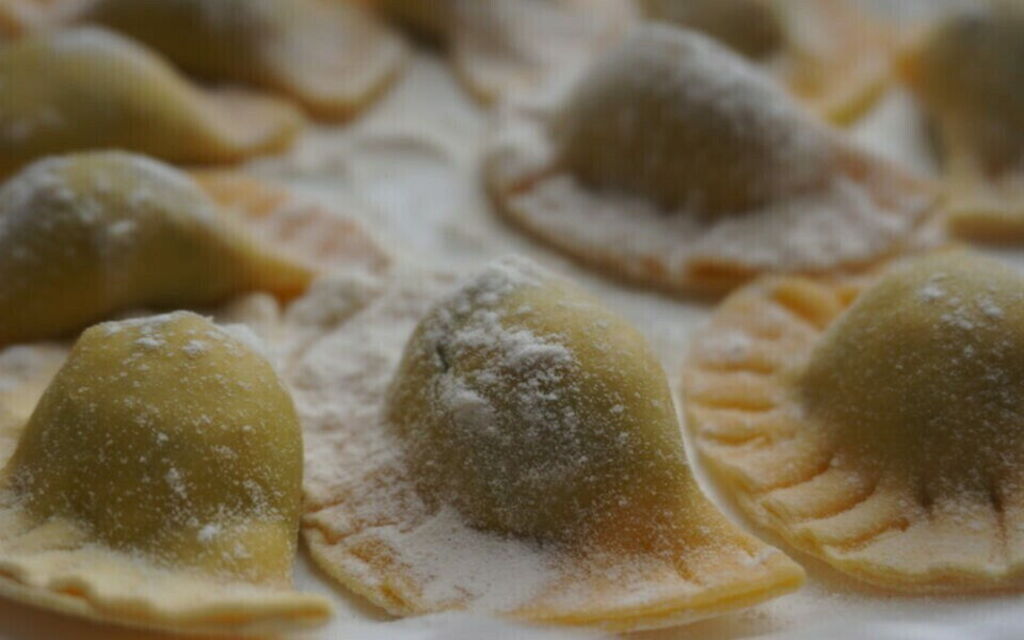
A beloved dish, a village competition, and a golden prize in the Tuscan hills
Filled pasta is a timeless dish, found all over the world - from Italy to Asia, from Germany to Argentina - each place with its own shape, ingredients, and traditions. In Italy alone, there are more than 70 types of filled pasta, from Bologna’s tortellini to Liguria’s pansoti.Here in Camaiore, a charming town nestled between the Apuan Alps and the Versilian coast, the local treasure is called Tordelli: a hearty, meat-filled pasta that speaks of Sundays at home, handwritten recipes, and the unmistakable scent of ragù simmering on the stove.Each family has its own secret version, but they all share that generous filling, tender egg pasta, and the joy of bringing people together. And every year, this simple dish becomes the star of a culinary contest: the Tordello d’Oro, a competition that crowns the best tordelli in Versilia.In 2025, the final night of the contest was hosted by the historic Emilio e Bona trattoria in Lombrici, which also took home the coveted prize. The finalists included Ristorante Raffaello from Levigliani and Ristopasta in Camaiore—three excellent ambassadors of local flavor.The Main Filling IngredientsThe filling for tordelli is made with pork, beef, and sometimes even a touch of prosciutto crudo. Adding pecorino cheese and garlic gives the dish an intense, traditional flavor. The dough is made with flour, eggs, and a bit of extra virgin olive oil, which gives it a soft and delicate texture but is still strong enough to hold the filling.Cooking and DressingOnce prepared, the tordelli are boiled in salted water and then dressed with a hearty meat ragù, which is the true king of the dish. The most traditional version uses a simple ragù made with minced meat, tomato, and a sauté of onion, carrot, and celery. However, there are also restaurants that offer more refined variations, such as a white ragù, where the tomato is replaced with a Parmesan cream and extra virgin olive oil.
Where to Taste the Tordelli in Versilia?In Versilia, nearly every traditional restaurant serves tordelli with ragù. But how to choose where to go?Since 2022, the local magazine Paspartu Magazine has organized the Tordello d’Oro, a competition between restaurateurs that is primarily a way to celebrate a dish that is symbolic of the area. It’s not about declaring one winner: there is no official recipe or standard, each kitchen – professional or home-based – has its version.There are tordelli with thicker or thinner edges, fillings in different proportions, dough rolled by hand or by machine, and classic or creative sauces. Unforgettable are the Tordelli di Vittoriano from the restaurant La Dogana in Capezzano, served in white, with extra virgin olive oil and Parmesan: out of competition, but forever in everyone’s heart.Among the finalists of the Tordello d’Oro editions, you will find: • Emilio e Bona - Lombrici • Ristorante Raffaello – Levigliani • Ristopasta – Camaiore • Osteria Il Vignaccio – Santa Lucia • Il Soggiorno – Pedona • La Piazza – Strettoia • Vino e Merendino – Capezzano Pianore • Trattoria Da Demè – Vallecchia • Ristorante Bernardone – Nocchi • Caffè Centrale – Camaiore • Trattoria Beppino – Valdicastello • Ristorante Rina – CorsanicoTry more than one place: each one tells its own version of this dish!Want to try making tordelli at home? Discover the full recipe here and bring a piece of Versilia to your kitchen!
Where to Taste the Tordelli in Versilia?In Versilia, nearly every traditional restaurant serves tordelli with ragù. But how to choose where to go?Since 2022, the local magazine Paspartu Magazine has organized the Tordello d’Oro, a competition between restaurateurs that is primarily a way to celebrate a dish that is symbolic of the area. It’s not about declaring one winner: there is no official recipe or standard, each kitchen – professional or home-based – has its version.There are tordelli with thicker or thinner edges, fillings in different proportions, dough rolled by hand or by machine, and classic or creative sauces. Unforgettable are the Tordelli di Vittoriano from the restaurant La Dogana in Capezzano, served in white, with extra virgin olive oil and Parmesan: out of competition, but forever in everyone’s heart.Among the finalists of the Tordello d’Oro editions, you will find: • Emilio e Bona - Lombrici • Ristorante Raffaello – Levigliani • Ristopasta – Camaiore • Osteria Il Vignaccio – Santa Lucia • Il Soggiorno – Pedona • La Piazza – Strettoia • Vino e Merendino – Capezzano Pianore • Trattoria Da Demè – Vallecchia • Ristorante Bernardone – Nocchi • Caffè Centrale – Camaiore • Trattoria Beppino – Valdicastello • Ristorante Rina – CorsanicoTry more than one place: each one tells its own version of this dish!Want to try making tordelli at home? Discover the full recipe here and bring a piece of Versilia to your kitchen!
Versilia Flavors: Discovering the Tordelli of Camaiore: Read More