Traditional Tuscan Cooking: Let's Learn How to Make Scarpaccia
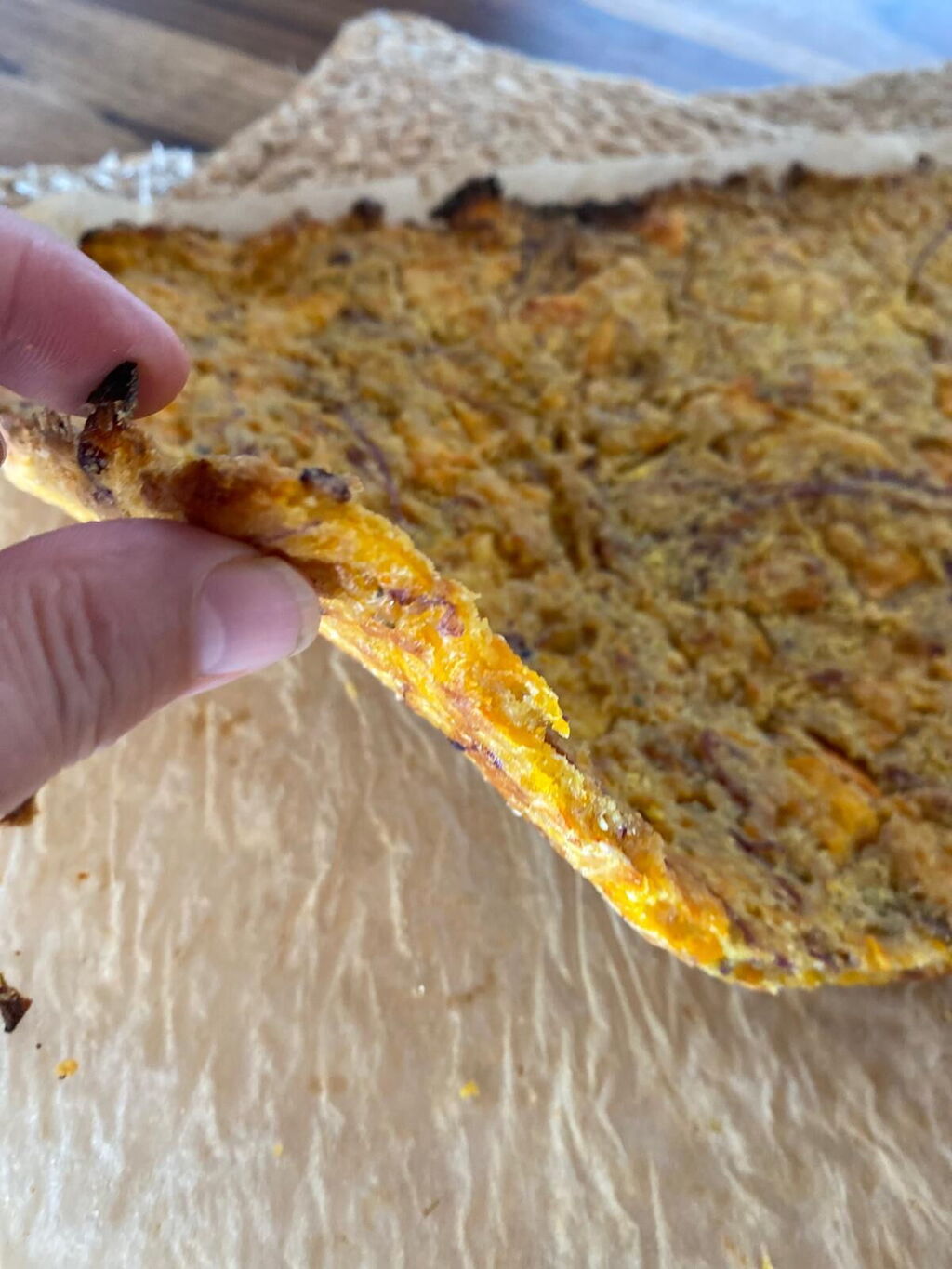
Thin, golden, with crispy edges that crackle under your teeth and a soft, flavorful center: you will fall in love with it at very first bite!
If there is a scent that captures the essence of Versilia, sun-drenched vegetable gardens, and homemade afternoon snacks, it is that of Scarpaccia.
It has a strange name that translates literally to "old shoe", hardly sounding culinary at all! But don't let that fool you. Thin, golden, with crispy edges that crackle under your teeth and a soft, flavorful center: you will fall in love with it at very first bite!
Born from the peasant wisdom of Camaiore, Scarpaccia is the true essence of Tuscan cucina povera: few seasonal ingredients, zero waste, and extraordinary taste. The secret lies in making the most of summer produce: zucchini, onions, and zucchini flowers. The real magic, however, lies in the method. No tap water, milk, or eggs are used: the batter is made exclusively using the natural liquid released by the vegetables themselves. The result? An explosion of authentic flavor held together by just a tiny amount of flour.
Every local family has its own secret tweak, and if you ask around for a recipe, no one will give you exact measurements, only the list of ingredients. After all, traditional Tuscan cooking is done with your eyes, your hands, and your heart!
Where to Eat It?
Scarpaccia is such a comforting, homemade dish tied to family traditions that you will rarely find it on the menus of classic restaurants or trattorias. Instead, you can easily find it in local historic delis, bakeries, and butcher shops.
However, if you want to enjoy it at its absolute crispies and freshest, the best thing to do is put on an apron and bake it at home. The recipe is simple, but it requires a little prep "ritual" that you simply cannot skip.
The Recipe: How to Make Scarpaccia at Home
Ingredients:
- Zucchini: 750 g / 1.6 lbs (very fresh and, if possible, with their blossom attached)
- Onions or spring onions: 1 or 2
- Type 1 or All-Purpose Flour: approx. 130 g / 1 cup
- Cornmeal / Fine Polenta: as needed (the secret touch for extra crunch!)
- Extra virgin olive oil: generous drizzle
- Salt and black pepper: to taste
Step-by-Step Instructions:
- Precision Slicing: Wash the zucchini and slice them into paper-thin rounds (using a mandoline slicer makes this easy). Finely slice the onions and gently tear the zucchini flowers into pieces.
- The Key Phase (Resting): Place the vegetables in a large bowl and add salt. How much? Enough to draw out the water from the zucchini, but not too much, or the baked tart will end up overly salty. Massage the vegetables well with your hands and let them rest for at least 2 hours. To help this "magic" along, place a plate directly over the vegetables with a weight on top to press them down and release their juices.
- Batter "By Eye": After 2 hours, drain and gently squeeze the vegetables, reserving all the released liquid. Gradually add flour and the reserved liquid to the vegetables, stirring to prevent lumps. The exact amount of flour depends on the moisture released, but the golden rule of Camaiore's old masters is simple: use as little flour as possible. The mixture should barely bind the vegetables together, it should never turn into a dense, doughy cake!
- Spread and Season: Stir a generous drizzle of extra virgin olive oil into the mixture. Generously grease a wide, shallow baking tray (approx. 30x30 cm / 12x12 inches) and spread the mixture out: it must be very thin (about 1 cm / 0.4 inches). Level it with your hands, finish with a final swirl of olive oil over the top, and sprinkle generously with cornmeal.
- Bake for Crunch: Bake in a preheated ventilated oven at 200°–220°C (400°–425°F) for about 30–35 minutes. It is ready when the surface turns golden, crispy, and utterly irresistible. Once baked, finish with a fresh grating of black pepper.
- Pro-tip: Let it cool down to warm before cutting it into squares. It’s good hot, fantastic warm, and simply divine the next day!
Scarpaccia 365 Days a Year
While you can make it in any season, the true golden season for the traditional Camaiore version is when local gardens yield small, firm, flavorful zucchini with little water content, still wearing their bright flowers. Using them super fresh is the real secret to achieving a perfect bake and that signature crispy texture.
That said, Scarpaccia can be enjoyed all year round! The pumpkin/butternut squash version in autumn and winter is a true delicacy (super sweet and crunchy!), while in summer, a variation made with drained ripe tomatoes delivers a deliciously tangy and aromatic punch.
In short, just follow the golden rule: thinly sliced vegetables, a salted rest to create the batter liquid, and a well-oiled tray. You’ll have a deliciously crunchy Scarpaccia in any season!
Where to Buy It in Camaiore
If you want to go straight to the experts for a quick bite after the beach, keep these historic spots in Camaiore in mind for authentic, artisan Scarpaccia:
- Gastronomia Il Merlo (Frati area, Camaiore)
- Gastronomia Da Nicola (opposite the public swimming pools)
- Norcineria Bonuccelli (in Via di Mezzo)
- Formaggeria Bagnoli (Via Italica, Lido di Camaiore)
Pair it with a glass of chilled Vermentino dei Colli di Luni and savor the true taste of Versilia!
The Scarpaccia "of Discord": Camaiore vs. Viareggio
One final piece of advice: be careful not to stray too far from Camaiore! Travelling just a few miles down the road brings you right into a heated local rivalry.
While in Camaiore Scarpaccia is strictly savory, rustic, and seasoned with pepper, in neighboring Viareggio you will find a sweet version, where sugar and sometimes vanilla flavoring are added to the zucchini batter!
Locals in Camaiore fiercely defend their savory version as the one and only original, but to truly understand both sides of the coast, the best thing to do is taste both and decide where your loyalty lies!