The real issue isn't tourism — it's trust · Two tools, two very different weights · The real fix: less bureaucracy, real bargaining power for owners · Our position hasn't changed
Friday, September 18, 2026,
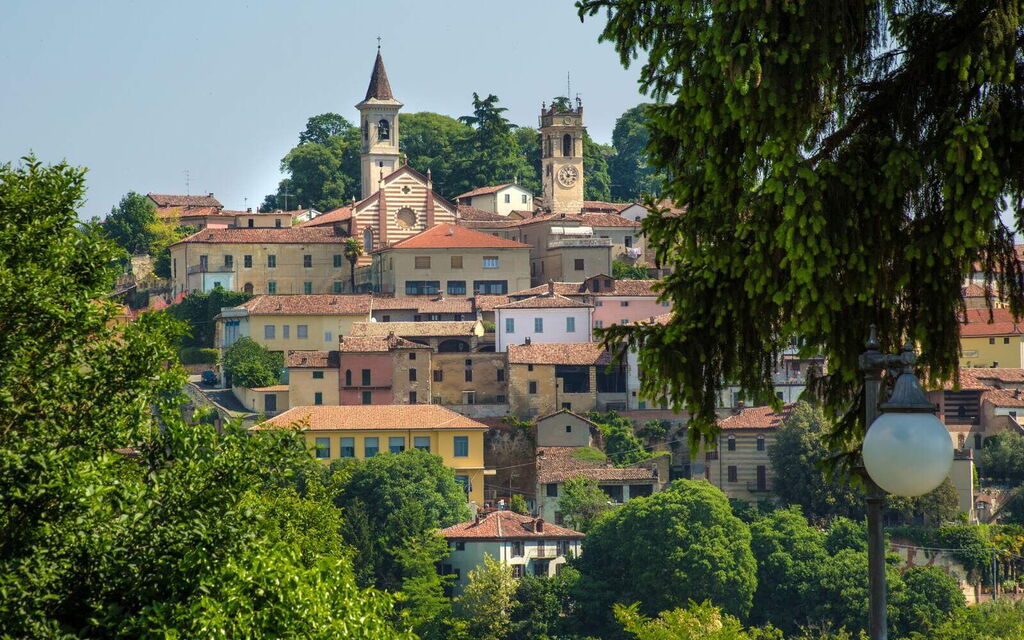
The new EU Regulation confirms what we've been saying for years: without less bureaucracy and real protection for owners, restricting short-term rentals won't create a single new home
The European Commission has unveiled the Affordable Housing Act, the latest piece of the broader European Affordable Housing Plan launched on December 16, 2025, which has already mobilised more than €43 billion in EU funding for housing. The Act has two parts: a proposed EU Regulation, which gives local authorities a common framework for demonstrating when an area is under "housing stress" and for justifying any measures in a proportionate, transparent way; and a Commission Recommendation, focused instead on accelerating housing supply through faster permitting, better use of existing buildings, and more social housing. And here's the line that matters most — straight from the Commission itself, the kind of statement we at Tuscanhouses have been making for years:Restrictions alone cannot solve housing shortages.That's not our spin. It's written directly on the Act's official page. Local authorities remain free to regulate short-term rentals, secondary homes or vacant dwellings — but only if the measures are evidence-based, necessary and targeted, not blanket restrictions imposed because short-term rentals make an easy scapegoat.Even the European Parliament, in the housing crisis report adopted by its Housing Committee on February 9, 2026, didn't call for a ban. It called for short-term rental legislation that balances tourism with housing affordability — an explicit acknowledgment that this is more complex than a simple "tourists vs. residents" fight.The real issue isn't tourism — it's trustThe EU text acknowledges that housing pressure is concentrated in cities, metropolitan areas, islands and tourist destinations, and that some non-primary uses of housing can make it harder to find a stable long-term home. True. But the question too few people are asking is: why do property owners choose short-term rentals over long-term leases in the first place?For anyone who manages properties day to day, the answer is simple: risk. A landlord who signs a long-term lease and ends up with a tenant who stops paying can spend years and thousands of euros trying to reclaim their own property. With short-term rentals, that risk almost disappears entirely. This isn't an ideological rejection of long-term rentals — it's a rational response to a system that, in practice, protects non-paying tenants more than it protects owners who've invested their savings in a property.Until institutions rebalance that relationship, restricting short-term rentals won't move a single home into the stable residential market. It will simply push those properties out of the market altogether — or into unregulated, undeclared renting.This problem weighs more heavily in Italy than in most of the EU. Italy is among the countries where eviction for non-payment takes comparatively longer: even in straightforward cases it's a matter of months, and if the tenant contests or requests extensions, the process can drag on for years. This is why, when we talk about "trust in institutions," the Italian — and Tuscan — case isn't a footnote. It's the heart of the problem.Two tools, two very different weightsIt's worth clarifying a technical point that often gets lost: the proposed Regulation and the Recommendation don't carry the same legal force. The Regulation sets a common methodological standard — how to measure "housing stress," how to justify measures — and once adopted, it will be binding on Member States. The Recommendation, on the other hand — the part dedicated to streamlining permits and cutting red tape on the supply side — is not binding: it's sound advice the EU is offering to States and municipalities, which remain free to apply it, or to ignore it.In other words: Europe can suggest simplification, but it can't force anyone to actually simplify. It will be up to individual municipalities and regions to decide whether to genuinely follow that path — or to give in to the easier, more politically saleable temptation of punitive measures on short-term rentals, which the binding Regulation still allows, as long as they're "justified and proportionate."The real fix: less bureaucracy, real bargaining power for ownersThe Recommendation that accompanies the Regulation partly points in the right direction: faster permits, fewer administrative burdens, better use of the existing building stock. Those are exactly the right ingredients — simplification, not prohibition. But since it isn't binding, its fate depends entirely on local political will.But to truly turn the housing emergency into an opportunity, one decisive piece is still missing: legal tools that give owners real certainty they can reclaim their property quickly when a tenant stops paying. This isn't about weakening protections for honest tenants — it's about no longer treating non-payment as a risk the owner must simply absorb indefinitely.If authorities legislated in this direction — faster evictions for proven non-payment, less procedural red tape, predictable timelines — many owners who currently choose short-term rentals specifically to avoid this risk would start seriously considering long-term leases again. The housing problem would stop being a constraint and start becoming an opportunity.Our position hasn't changedThe EU itself admits that restrictions alone aren't enough. We'd add one more step: the real lever isn't limiting short-term rentals — it's restoring trust for those who would consider renting long-term. Less bureaucracy, real protection for owners against non-payment: that's the reform that's actually needed, not another crackdown on tourism.Own a property and want it to generate income without the non-payment risk? Tuscanhouses handles every aspect of short-term rental management for you — from guest sourcing to maintenance — so you get a stable return without the headaches. Get in touch for a free consultation.
Hills, Wine Glasses, and Coastal Vintages: September Wine Experiences Around Lucca
Wednesday, September 9, 2026,

An experiential journey through historic hills, rural traditions, and sea breezes on the border of Tuscany and Liguria.
When thinking of wine in Tuscany, iconic Chianti classics and vast estates often come to mind first. But the true magic, the kind we at TuscanHouses love sharing with our guest, begins when you step off the beaten path.Forget standardized group tours: our idea of wine tasting is an authentic experience where wine is deeply woven into the personal stories of the people who make it.Today, we start in the rolling Lucchese hills before heading into the Pisa countryside and finishing along the coast, traveling from Versilia to the Ligurian border. These lands guard a vibrant, intimate, and surprising wine culture. We have selected boutique wineries where tasting is just the beginning: visits often start with a stroll through the vineyards to learn about local grape varieties, followed by a tour of the cellars, an introduction to the estate's philosophy, and a guided tasting. In other places, you'll gather around a table where local wines are paired with homemade Tuscan specialties.Fattoria del Teso in Montecarlo (Lucca): Vineyard Walks, Winemakers, and Fine VintagesFattoria del Teso is a historic estate surrounded by ancient pine trees. Designed for small groups, the experience offers a peaceful, intimate atmosphere.Upon arrival, you are welcomed in the courtyard by the cellar master and winemaker, who lead you on a scenic walking tour through five distinct vineyards. Among the vines, you will discover the secrets of Montecarlo DOC wines, local cultivation techniques, and the unique microclimate of these hills.After the walk and a visit to the historic aging cellar, you will settle under a romantic garden pergola or beside ancient wooden oak barrels for a tasting guided by the winemaker featuring six signature labels: Montecarlo White DOC, Vermentino IGT, the unique Orange del Teso IGT, Montecarlo Red DOC, Montecarlo Red Riserva DOC, and the Super Tuscan Anfidiamante IGT.The tasting is paired with a platter of local cured meats and cheeses alongside iconic Altopascio bread drizzled with the estate’s Extra Virgin Olive Oil, concluding with a glass of rare 1998 Vinsanto and classic artisan cantucci cookies.Pet-Friendly Note: Four-legged friends are warmly welcomed!Chicco d’Uva in Montecarlo (Lucca): Warm Family HospitalityConnected to the historic Al Vecchio Olivo restaurant, Chicco d'Uva welcomes you into the heart of a family-run farm and olive oil mill. Producing Lucca PDO Extra Virgin Olive Oil and Montecarlo DOC Wine, here you can savor freshly pressed olive oil and enjoy relaxed, informal tastings where selected wines are paired with traditional Tuscan dishes prepared the old-fashioned way.Tenuta Adamo & Fattoria Fubbiano (Lucca): Slow Rhythms and ConvivialityArriving at Tenuta Adamo, the scenery takes center stage: panoramic outdoor terraces offer sweeping views over the entire valley. Time seems to slow down as the sommelier pours your glass and explains how evening sea breezes influence grape ripening.The heart of the project lies in celebrating the local terroir by pairing production innovation with respect for local heritage. The estate purposefully focuses on indigenous grape varieties such as Canaiolo, Colorino, Hamburg Muscat, Trebbiano, and Malvasia. Alongside wine, the farm produces high-quality olive oil from an olive grove dating back to the 1700s, originally planted by the House of Bourbon. Today, classic local cultivars like Frantoio, Moraiolo, Leccino, and Baulino thrive here.The estate produces Toscana Red, Toscana White, and Toscana Rosé, served alongside fresh crusty bread and estate extra virgin olive oil during tastings.Podere Pellicciano in San Miniato (Pisa): An Intimate Journey into the Heart of the LandIn the hills of Pisa, the experience at Podere Pellicciano begins right in the vineyards, where the owners walk guests through the vines while sharing stories of passion, dedication, and respectful viticulture.After the vineyard tour, take a seat for a guided sensory tasting featuring six distinct wines:Family Energy: start with wines named after the winemakers' children: Cimba (a fresh and lively Terre di Pisa DOC Rosé), Biondo (a bright Tuscan White IGT), and Tricche (a warm, versatile Terre di Pisa Red DOC).Pure Single-Varietals: continue with wines expressing the unfiltered identity of single grapes: Egola (an enveloping Malvasia Nera), Buccianello (100% Colorino, bold and deeply Tuscan), and Fonte Vivo (a complex Trebbiano to be savored slowly).Guests can complete the experience with a tasting of the farm's organic Extra Virgin Olive Oil, paired with selected local cheeses, cured meats, and an exclusive pour of their flagship CRUs (Prato della Rocca and Griso).Il Segreto in Massarosa: Wines of the SandsHeading toward the coast, we arrive in Massarosa, where Tenute Cantine Mariani - Il Segreto stretches from the coastal hills to the Versilia sea. Nestled between the Versilia hills, Lake Massaciuccoli, and the Tuscan coast, the vineyards breathe in salty sea air, resulting in mineral-rich wines filled with scents of coastal scrub and sea salt. This isn't just a wine tasting; it's an authentic connection with a working farm where every glass tells the story of the family and the land they cultivate.Il Segreto produces traditional and Charmat method sparkling wines, including Segreto Metodo Classico Brut, Pas Dosé, and Fût de Chêne. Through the Segreto Experience, guests can sample wines paired with local specialties and organic olive oil.For a truly unique sip, try SabbiaMare. Available in white and rosé sparkling versions, it comes from vineyards inside the Migliarino and San Rossore Park, planted on sandy soil just 600 meters from the ocean. Here, vine roots sink into maritime sand once washed by tides, and sea spray settles gently on the leaves. This coastal terroir creates fresh, salty, and fruity sparkling wines with a crisp minerality suitable for aperitifs or full meals. Grape varieties include Sangiovese vinified as a white, Vermentino, and Chardonnay for the white version, and Sangiovese and Syrah for the rosé. Produced with minimal filtration and low sulfites, it is a natural, refreshing wine.Ca’ Lunae in Castelnuovo Magra: From the Versilia Coast to the Ligurian BorderFollowing the Versilia coastline, we reach Luni to complete our wine journey on the border between Tuscany and Liguria.Ca' Lunae is a beautifully restored 18th-century manor house located at the foot of the Apuan Alps. More than a winery, it serves as a cultural gathering place designed to immerse visitors in the heritage of historic Lunigiana. The estate features an aromatic herb garden and a Wine Museum showcasing founder Paolo Bosoni's personal collection of historic farming tools and rural artifacts curated alongside historians.And, of course, there is the wine! After exploring the history, guests sit down to taste famous Colli di Luni wines, led by their signature Vermentino, a true symbol of grapes grown between the mountains and the sea.Enjoy an aperitif in the garden or lunch at L'Ostaia, the estate's on-site restaurant serving traditional recipes paired perfectly with local wines.Ready to live your Tuscan wine story?Find your ideal base for exploring local wineries and food trails:Our exclusive proposals in the Lucca area.Our exclusive proposals in the Versilia area.Our exclusive proposals in the Pisa area.
Hills, Wine Glasses, and Coastal Vintages: September Wine Experiences Around Lucca: Read More
The Most Beautiful Natural Parks in Tuscany: From Sea and Apuana Peaks to Lucca's Rolling Hills
Tuesday, August 18, 2026,
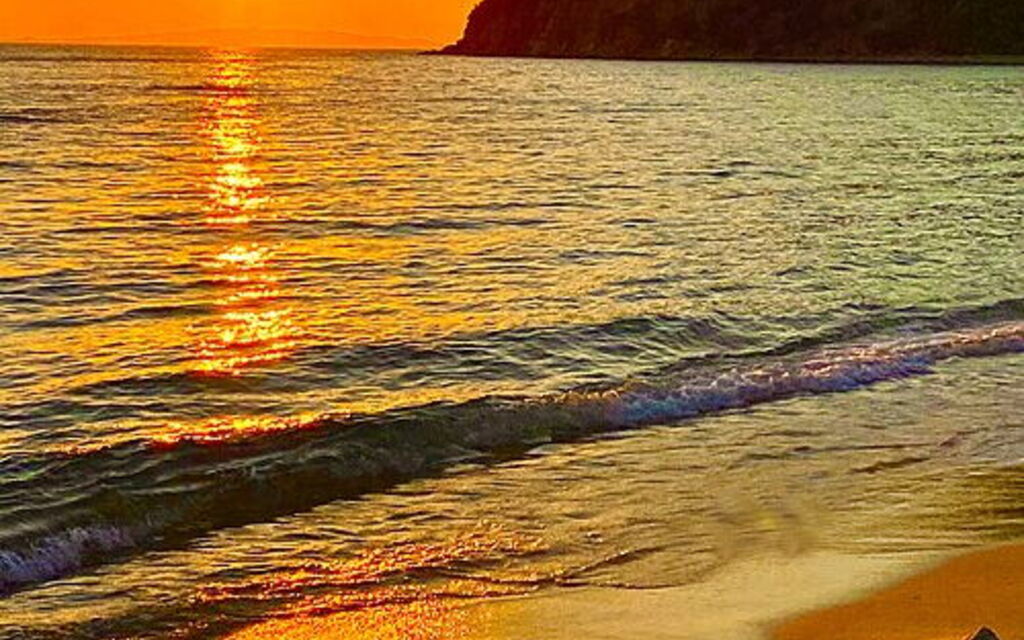
Escape crowded spots and discover Tuscany’s wildest beauty: from marble peaks and coastal pine forests to rolling Lucchese hills. Plan your unforgettable outdoor getaway with our guide!
If you are looking for a Tuscany far from crowded piazzas, where nature sets the pace of the day, this article is for you!Tuscan parks and protected areas offer remarkably diverse landscapes, perfect for anyone seeking a refreshing getaway surrounded by pristine nature, history, and authentic traditions. We will take you from sandy dunes and marble peaks touching the sky to lush woods, historic villas, and fortified villages surrounding Lucca.All of these green destinations are easily accessible from our properties, making them the ideal base for an outdoor adventure featuring hiking, biking, horseback riding, or pure relaxation.Migliarino, San Rossore, Massaciuccoli Regional Park: Coastal WildsSpanning roughly 24,000 hectares between Viareggio and Livorno, this park is a rare treasure: one of Italy's few remaining undeveloped coastal environments, protected since 1979. At its heart lies the historic San Rossore Estate, once a private hunting reserve for the Kings of Italy and later the Presidents of the Republic.What to See & DoSan Rossore Estate: Explore ancient pine forests on foot, by bicycle, or on traditional horse-drawn carriages all the way to wild, untouched beaches where seabirds nest. more info Parco di San RossoreLake Massaciuccoli: On the Versilia and Lucca side of the park, walk along wooden boardwalks suspended over the water for birdwatching among reeds and water lilies, especially at sunset.Gourmet Tip: We recommend stopping by the park's shops to taste dune honey (made from coastal wildflowers), organic pine nuts, and local regional delicacies.Apuan Alps Regional Park: The Marble MountainsVisible from the Versilia beaches, the Apuan Alps rise dramatically above the coastline, standing sharply apart from the nearby Apennines with their rugged ridges and deep valleys. World-renowned for their pristine marble quarries, they also hide a subterranean world of extraordinary caves and sinkholes.What to See & DoRidge Hiking & Marble Quarry Tours: Panoramic trails offer breathtaking walks overlooking stark white marble, green forests, and the blue Tyrrhenian Sea. You can also book a guided tour of Versilia's marble quarries, on clear days, the cliffside views stretch all the way from the French Alps and Corsica to Mount Amiata. More info Corchia ParkCorchia Cave & Wind Cave (Grotta del Vento): From the peaks into the heart of the mountain, the Corchia cave system is one of Europe's largest underground environments, featuring roughly 70 km of mapped caverns and 20 different entrances. Ongoing explorations by speleologists continuously uncover new chambers hidden within the marble.Gourmet Tip: After a high-altitude hike, head to the mountain village of Colonnata to taste Lardo di Colonnata PGI, cured in marble troughs with local herbs and spices.The Hills of Lucca, Montecarlo & Historic Estates: Nature, Heritage & Fine WineJust minutes outside Lucca's ancient city walls lies a gentle, lush countryside filled with rolling vineyards, olive groves, and grand aristocratic villas set within historical parks.What to See & DoMontecarlo di Lucca: A charming walled hilltop village famous for its medieval fortress, cobblestone streets, and exceptional local wines.Historic Lucchese Villas: Visit the monumental gardens of Villa Reale di Marlia (featuring a lake, water gardens, and the residence of Napoleon’s sister) and Villa Torrigiani, famous for its baroque fountains and water features.Ponte della Maddalena (Devil's Bridge): Heading up the Serchio Valley toward Borgo a Mozzano, stop to marvel at this striking asymmetric medieval bridge shrouded in local folklore.Gourmet Tip: Drive along the Lucca Wine and Oil Route for a tasting of crisp Montecarlo DOC white or red wine, perfectly paired with authentic Lucchese meat tordelli or hearty Garfagnana spelt soup.Livorno Hills Provincial Park: Woods and Heritage TrailsTucked between Livorno, Collesalvetti, and Rosignano Marittimo, the Livorno Hills are a green mosaic of oak woods, aromatic Mediterranean scrub, and crystal-clear streams.What to See & DoHiking & Mountain Biking: Over 200 km of marked trails lead past old watermills, historical icehouses, and ancient aqueducts buried in green foliage.Horseback Riding: A paradise for riders, offering protected bridleways linking major coastal nature reserves.Gourmet Tip: Enjoy a seaside dining stop along the coast to savor authentic Cacciucco (traditional fish stew) or slow-cooked wild boar paired with Etruscan Coast red wines.Southern Tuscany: Bandite di Scarlino Nature Reserve & Maremma Regional ParkThe Bandite di Scarlino offer a dense network of trails that allow you to explore the reserve with full respect for nature, on foot, by mountain bike, or on horseback. The protected area stretches from the hills—starting at Mount d'Alma—all the way to the sea, home to some of Tuscany's most beautiful beaches, accessible only on foot, with crystal-clear waters and landscapes that make it a truly special destination.What to See & DoSunset at Cala Violina: Located in Scarlino, this is one of Maremma's most iconic beaches. Its grainy quartz sand produces a violin-like sound when walked upon (daily access is capped to preserve its peace and quiet). With translucent waters framed by dense Mediterranean scrub, it is an unforgettable spot to watch the sunset.The Maremma Regional Park, also known as the Uccellina Park, stretches along the coastline between Principina a Mare and Talamone. It is a picture-postcard landscape where the Uccellina mountain range meets the Trappola marshes and dramatic sea cliffs.What to See & DoWildlife & Watchtowers: Hike through coastal ridge paths where you can spot wild boar, deer, and traditional Maremma cattle tended by local cowboys (butteri).Marina di Alberese Beach: One of Tuscany's most evocative beaches, famous for natural driftwood shelters scattered along the shore.Gourmet Break: Treat yourself to handmade Maremma ricotta tortelli paired with a glass of Morellino di Scansano DOCG red wine.Ready to go?Find your ideal home for a holiday between the sea, the Apuan peaks, and the Lucca hills, close to Tuscany's most beautiful Natural Parks.Our exclusive proposals in the Lucca area.Our exclusive proposals in the Versilia area.Our exclusive proposals in the Pisa area.Our exclusive proposals in the Pistoia area.