San Gimignano, Volterra, and Certaldo: Tuscany's Medieval and Secret Heart
Wednesday, August 12, 2026,
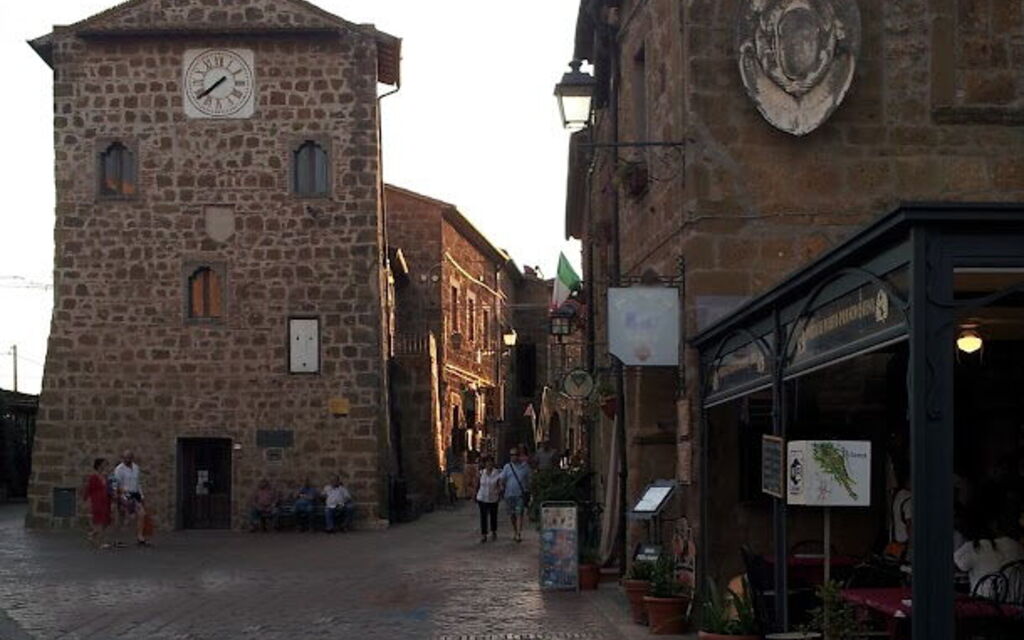
Soaring towers, ancient apothecaries, fortress theater in Volterra, and street performances in Certaldo: your ultimate insider guide to Tuscany's most charming medieval towns.
Medieval towers, ancient apothecaries, the Fortress of Volterra, and street theater in Certaldo: discover what to see, buy, and taste in Tuscany's most charming villages.Tucked between the Val d’Elsa and the hills of Volterra lies a corner of Tuscany that instantly transports you back in time. Here, soaring towers rise above rolling green hills, ancient Etruscan walls embrace hilltop villages, and narrow stone alleys keep traditional craftsmanship very much alive, passed down through generations.It makes for a fantastic day trip! From our homes, you can easily reach this region in just over an hour's drive along some of the most scenic roads in Tuscany.San Gimignano: The Medieval Manhattan (and its Alchemical Secrets)World-famous for its medieval towers (originally 72, 14 of which remain perfectly intact today) San Gimignano is a UNESCO World Heritage site offering a true plunge into the 13th century.What to SeePiazza della Cisterna & Piazza del Duomo: The beating heart of the village, surrounded by noble palaces and dominated by Torre Grossa (the highest tower in town, which you can climb for a 360° view of the Val d'Elsa).Duomo Frescoes: The Collegiata church holds 14th-century fresco cycles of extraordinary beauty, including masterpieces by Bartolo di Fredi and Benozzo Gozzoli.Rocca di Montestaffoli: The ruins of this ancient fortress offer the absolute best panoramic viewpoint to photograph the town's skyline at sunset.The Apothecary of Santa Fina Hospital (The Insider Gem): Far from the crowds beneath the towers, this lesser-known spot preserves the medieval pharmacy of the ancient hospital. You can admire hundreds of 16th-century majolica jars, albarelli, and vessels filled with spices, ointments, and medicinal herbs used by monks to treat pilgrims traveling along the Via Francigena.What to BuySan Gimignano Saffron PDO: A highly prized spice cultivated here since the Middle Ages, perfect for flavoring pasta dishes or cheeses.Hand-Painted Ceramics: Local artisan shops in the historic center offer beautiful Tuscan pottery.Food, Wine & Aperitivos:The Wine: Vernaccia di San Gimignano DOCG, one of Italy's oldest and most famous white wines, crisp, mineral, and perfect for warm summer days.Local Sweets: Traditional Ricciarelli almond cookies and classic Cantucci meant to be dipped in Vin Santo.Gelato & Aperitivos: In Piazza della Cisterna, a stop at the world-renowned Gelateria Dondoli is a must (try the Crema di Santa Fina flavor with saffron and pine nuts). For an aperitivo overlooking the vineyards, stop by the Vernaccia di San Gimignano Wine Experience at the Rocca di Montestaffoli.Where to Eat: Osteria del Carcere, an unconventional, simple yet meticulously cared-for spot—not a classic restaurant, but a place serving food and drinks crafted with love to make guests feel welcomed as friends rather than customers. If you are looking for refined, modern Tuscan cuisine, try Ristorante Dorandò.Volterra: Etruscan Soul and the Fortress of RebirthPerched on a ridge dominating wild clay cliffs (le Balze), Volterra boasts thousands of years of history where Etruscan charm blends seamlessly with Roman and medieval heritage.What to SeePiazza & Palazzo dei Priori: The oldest civic square in Tuscany, dominated by the palace that inspired the Palazzo della Signoria in Florence.Roman Theater & Etruscan Acropolis: One of Italy's best-preserved Roman archaeological complexes, located just outside the city walls.Guarnacci Etruscan Museum: Home to "L'Ombra della Sera" (Shadow of the Evening), a famous bronze statuette dating back more than 2,300 years.The Medici Fortress & Compagnia della Fortezza (The Insider Gem): A massive structure overlooking the city, the fortress currently houses the Volterra State Prison. This medium-security facility is famous throughout Italy for its extraordinary social and vocational rehabilitation programs. Chief among them is the Compagnia della Fortezza, an internationally acclaimed theater project founded by Armando Punzo. Once a year (typically in late July or early August), the prison exceptionally opens its doors to the general public for breathtaking performances inside the complex.What to BuyVolterra Alabaster: The true symbol of local craftsmanship. In the workshops of the historic center, you can watch master artisans carve this translucent alabaster stone into unique sculptures, lamps, and home decor.Food, Wine & AperitivosLocal Dishes: Zuppa Volterrana (hearty bread, black cabbage, and bean soup), game dishes (slow-cooked wild boar and hare stew), and Pecorino delle Balze Volterrane PDO cheese.The Wine: Local Rosso di Montecatini Val di Cecina or Tuscan IGT red wines.Aperitivo Spots: Enjoy a glass of red at sunset at Lupo Nero or at the outdoor tables in Piazza dei Priori.Where to Eat: Ristorante La Delizia for fantastic wild boar pappardelle, or Osteria dei Poeti, a characteristic medieval tavern with vaulted stone ceilings.Quick Bites & Picnics: If the weather is nice, take a break inside Parco Archeologico Enrico Fiumi, located right in front of the Medici Fortress: you'll find a kiosk-bar immersed in greenery, perfect for relaxing among the ruins. A short walk away in the historic center sits La Sosta del Priore (in Vicolo delle Prigioni), an excellent shop for warm panini, traditional products, and vegetarian or vegan options. Alternatively, Al Vicolino is another historic sandwich spot downtown, ideal for a quick bite featuring local specialties like lampredotto.Certaldo Alto: Boccaccio, Street Theater, and Forest MysteriesPerched on a hilltop above Certaldo, this red-brick walled village is a perfectly preserved hidden gem, best known as the birthplace of Renaissance poet Giovanni Boccaccio.What to SeeGetting There: Riding the scenic funicular railway from lower Certaldo up into the heart of the medieval village makes for a scenic and charming arrival.Palazzo Pretorio: Featuring a facade adorned with glazed terracotta coats of arms from former Vicars, with ancient medieval prison cells open to visitors inside.Boccaccio’s House & Museum: The tower-house where the poet lived and died, now converted into a museum, research center, and library.Mercantia – International Street Theater Festival (The Unmissable Event): Every July, Certaldo Alto transforms for four days into the magical stage of Mercantia, Italy's premier street theater festival, featuring fire-eaters, acrobats, musicians, and artisans from around the globe.Canonica Park & The "Pyramid" (The Insider Gem): A few minutes from the village lies a lush green area hiding an artificial, pyramid-shaped hill shrouded in mystery and linked by local legends to Etruscan or medieval origins, ideal for a relaxing nature walk.What to BuyCertaldo Onion Jam: The famous red onion known for its sweet flavor (even mentioned in Boccaccio's Decameron) is made into delicious jams, perfectly paired with aged pecorino cheese.Food, Wine & Aperitivos:Local Dishes: Zuppa di Cipolle alla Certaldese (sweet onion soup), Francesina (beef stewed with onions), and grilled Tuscan meats.Local Sweets: Traditional fig and walnut desserts served with a glass of Vin Santo.Aperitivo Spots: Aia del Pittore, featuring a lovely patio where you can sip a Negroni or a glass of Chianti while admiring the Val d'Elsa view.Where to Eat: L'Aretino or Osteria del Vicario, where you can dine in a panoramic garden overlooking the surrounding hills.Ready to go? Find your ideal baseAfter a day spent exploring the towers of San Gimignano, the alabaster secrets of Volterra, and the red-brick alleys of Certaldo, unwinding in the peace and quiet of one of our homes is the perfect way to cap off the day. Choose your ideal base for your Tuscan vacation:Lucca and SurroundingsVersilia and SeasidePisa and SurroundingsPistoia and Surroundings
San Gimignano, Volterra, and Certaldo: Tuscany's Medieval and Secret Heart: Read More
CIN in Tuscany: A Practical Guide for Existing and New Holiday Rentals
Thursday, August 6, 2026,
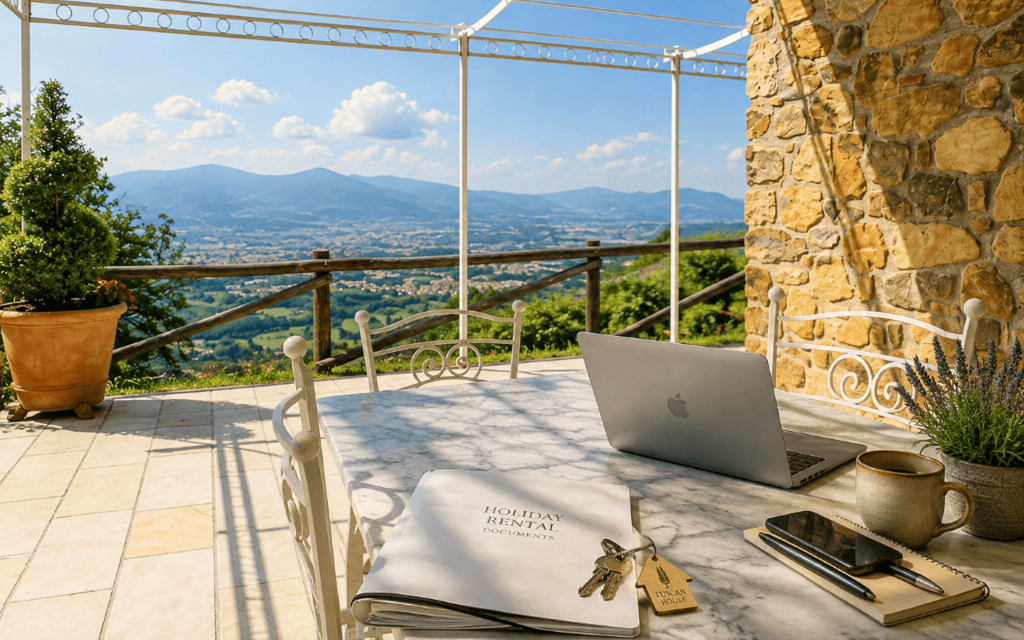
The CIN is mandatory for all holiday rentals in Italy, but the application process differs depending on whether your property is already registered or you're opening a new holiday rental. This guide explains each step in a simple and practical way.
If you own a holiday rental in Tuscany, you've probably asked yourself one simple question:"Do I need to apply for the CIN? And what if I'm opening a new holiday rental?"The answer is straightforward: yes, the CIN is mandatory, but the procedure depends on whether your property is already registered or you're starting a new holiday rental today.This guide explains exactly what you need to do, without unnecessary legal jargon.Updated: August 2026This guide refers to the transitional implementation phase established by Article 60 of Tuscany Regional Law No. 61/2024, as amended by Regional Law No. 9/2026.Please note: this guide applies only to non-business holiday rentals. Different rules apply to B&Bs, guesthouses, agriturismi, hotels and other accommodation businesses.Is the CIN Mandatory?Yes.The National Identification Code (CIN) is mandatory for all holiday rentals in Italy, including privately managed, non-business holiday rentals.Your CIN must be:• displayed outside the property;• included on Airbnb, Booking.com, Vrbo and any other booking platform;• shown on your own website and any promotional material.Do You Already Have an Active Holiday Rental?If your property is already registered and you already have a Regional Identification Code (CIR), obtaining the CIN is relatively straightforward.Unless you need to report changes to your activity, you do not need to submit a new notification through SUAP.Instead, simply:• log into the National Accommodation Database (BDSR) using your SPID or Electronic Identity Card;• verify your property's information;• confirm the required declarations;• download your CIN.Once issued, the CIN must be displayed outside the property and included in all online listings.Opening a New Holiday Rental?The procedure is slightly different for new non-business holiday rentals.During the current transitional phase in Tuscany, three steps are required.Step 1 – Notify SUAPYou must electronically notify the competent SUAP office through the STAR portal before starting your activity.This notification is mandatory by law.Step 2 – Complete the Regional RegistrationDuring the transitional period, Tuscany also requires owners to complete the regional self-registration process.This procedure generates the Regional Identification Code (CIR), which is still required before applying for the CIN.Step 3 – Apply for Your CINOnce your CIR has been issued, you can access the National Accommodation Database (BDSR) using your SPID or Electronic Identity Card and request your CIN.Why Are Two Procedures Required?This is probably the question we receive most often.The answer is simple: Tuscany is currently in a transitional phase.For this reason, new holiday rentals must complete both the SUAP notification and the regional registration before applying for the CIN.At a GlanceYour SituationWhat You Need to DoYou already have a CIRApply for the CIN through the BDSRYou're opening a new holiday rentalSUAP → Regional Registration → CIR → CINSafety RequirementsWhen applying for the CIN, you must declare that your property complies with the applicable safety regulations.Before submitting your application, make sure your property meets the required standards, including, where applicable:• fire extinguishers;• carbon monoxide detectors;• gas detectors;• compliant utility systems.Frequently Asked QuestionsI already have a CIR. Do I also need a CIN?Yes. The CIN is mandatory for existing holiday rentals as well.Does the CIN replace the CIR?No. During Tuscany's current transitional phase, the CIR is still required for new holiday rentals.Where do I apply for the CIN?Applications are submitted through the National Accommodation Database (BDSR) managed by the Italian Ministry of Tourism.Can I advertise my property without a CIN?No. The CIN must appear on Airbnb, Booking.com and all other booking platforms, as well as on any promotional material.Need Some Help?Regulations change frequently, and understanding the correct procedure isn't always easy.For more than 15 years, TuscanHouses has been helping property owners successfully manage holiday rentals throughout Tuscany, including administrative requirements and regulatory compliance.If you'd like assistance with your holiday rental or would simply like to check that everything is in order, feel free to contact us at info@tuscanhouses.com. We'll be happy to help.
CIN in Tuscany: A Practical Guide for Existing and New Holiday Rentals: Read More
From the hills to the sea: Camaiore's secret villages
Tuesday, July 14, 2026,
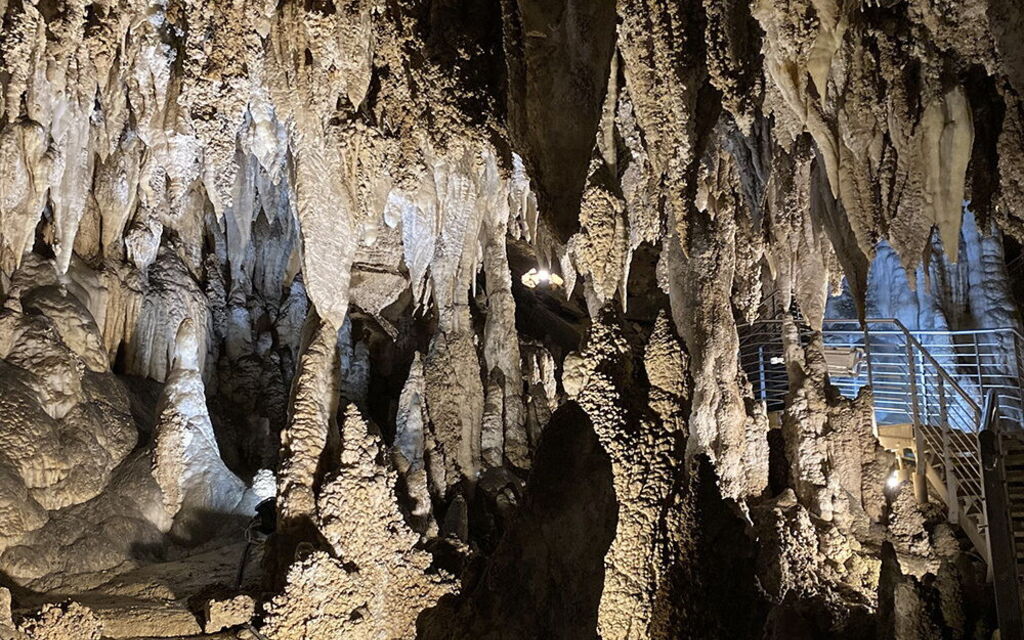
Explore Versilia: from golden beaches and chic markets to Camaiore’s secret hillside villages, refreshing natural pools, free jazz in Seravezza, and dramatic white marble quarries.
Versilia is a land of dramatic contrasts, where the golden sandy beaches of the Tyrrhenian Sea meet the sharp, marble peaks of the Apuan Alps. It is a territory of multiple souls: the glamour of the coast, the wild silence of Lake Massaciuccoli, the majestic active marble quarries, and the authentic charm of hillside villages.If you are planning your itinerary, we have already prepared two essential guides for you:To discover the best local dining: where to eat in VersiliaTo choose your perfect spot on the coast: where to go to the beach in VersiliaHere is your ultimate insider guide to exploring this unique corner of Tuscany.From the hills to the sea: Camaiore's secret villagesThe hills surrounding Camaiore shelter small medieval hamlets where time seems to have stopped—ideal destinations to escape the summer heat and enjoy priceless views.Metato, the village of silence: A tiny hamlet perched on the mountainside whose name derives from the metato, the traditional stone hut used for drying chestnuts. You can only explore it on foot: the uphill path requires a bit of effort, but the sweeping sea view is worth every step. To recharge, book a table at Il Fondaccio, an extraordinary home restaurant offering an intimate, family-style dining experience.Casoli, the village of graffiti: Located just a 10-minute drive from the center of Camaiore, this village has become famous across Italy for the beautiful graffiti painted on its house walls by international artists and art students. It is a magical walk, perfect for families with children. Stop for a break at Da Mario bar (along the road leading to the church), or drive up to Trescolli to enjoy a traditional lunch in a wooden chalet overlooking the coast at Il Chiosco nel Bosco.Pedona, the terrace overlooking the valley: Perched on the opposite side of the valley, Pedona commands a spectacular view stretching from Livorno to the Gulf of La Spezia. Sunset from its open terraces is simply unforgettable. Park your car and explore the village on foot, then stop for a bite at Trattoria Il Sorriso, the local tavern and grocery shop. Here you must taste Scoppolato di Pedona, a renowned local sheep's cheese made with a double curdling process and aged for six months in mountain caves.Monteggiori, fried chicken and legends: Sitting on the slopes of Mount Gabberi, this ancient fortified village is entirely pedestrianized. It is the perfect place for a cool evening stroll, perhaps to taste the undisputed local specialty: fried chicken. A fun insider fact: legend has it that the underground passages of Monteggiori’s castle once connected it to the nearby Rotaio Castle, and that the ruins of Rotaio are still haunted by the ghost of the Duke of Groningen during full moon nights.Art, Liberty style, and Pilgrims: the gems of the coastCamaiore and the Via Francigena: The historic center of Camaiore, with its stunning thousand-year-old Abbey, is a key stop along the Via Francigena, the ancient pilgrim route. Read our complete guide to the Via Francigena in Versilia here.Pietrasanta, the Little Athens: The historical capital of Versilia, Pietrasanta is a true open-air museum. Sculptors from all over the world (including Botero and Mitoraj) have chosen this town to work with marble and bronze in its historic art foundries. Its art galleries, elegant boutiques, and cafes around Piazza Duomo make it the ultimate spot for a chic aperitif.Seravezza: jazz, marble, and Medici heritage: Nestled at the foot of the Apuan Alps, Seravezza is home to the majestic Palazzo Mediceo (a UNESCO World Heritage site). After a stroll through its grand monumental gardens, stop for a refreshing drink at the palace's lovely open-air bar.The Magic of "Jazz in Cava": If you are visiting on a Thursday evening during the summer, do not miss the free concerts of the "Jazz in Cava" festival. Held in the breathtaking setting of the Barghetti Quarry (right behind the Medici Palace) starting at 9:15 PM, the venue is reached via a charming, illuminated pathway through the woods.The Arkad Foundation: Located directly opposite the Medici Palace, this incredible art space is housed in a fascinating 16th-century historic building that originally served as a trout farm and was later converted into a marble sawmill. Today, founded by sculptors Nicolas Bertoux and Cynthia Sah, it stands as a renowned international art center and atelier where you can experience the soul of contemporary sculpture.Viareggio, the charm of Liberty style: Famous worldwide for its Carnival, Viareggio boasts a magnificent seaside promenade lined with stunning Liberty and Art Deco buildings. Head to the harbor (darsena) to taste freshly fried seafood directly from the fishing boats.Exploring the wild nature of VersiliaIf you fancy a different kind of day, away from the beach clubs, Versilia offers incredible natural escapes.The natural pools of Candalla: Nestled in the shady woods behind Camaiore, the Candalla waterfalls are a refreshing oasis. A path along the river leads you to crystal-clear natural pools framed by ancient ruined mills. Expert tip: wear water shoes or light trekking sandals and visit early in the morning to enjoy the quiet magic of the place.The Corchia Cave (Antro del Corchia): Hidden inside the Apuan Alps lies one of the largest cave systems in Europe. A guided tour takes you deep into the mountain through dramatic underground canyons and giant stalactites. Practical note: the indoor temperature is a constant 11°C (52°F) year-round, so bring a jacket and closed shoes!Carrara Marble Tour: Visit the breathtaking white canyons where Michelangelo personally selected blocks for his masterpiece, offering a striking contrast between the blinding white marble and the blue sea.Lake Massaciuccoli Nature Reserve: A true paradise for birdwatchers and nature lovers. You can walk along beautiful wooden boardwalks suspended over the water, surrounded by swaying reeds, as herons and marsh harriers glide overhead. Read our dedicated article on the Massaciuccoli LIPU Oasis here.Shopping and Traditions: the markets you can't missVersilia is renowned for its open-air markets, ideal for hunting down high-quality linen resort wear, beach towels, or antique treasures.Weekly Markets: For premium linen, beach towels, and famous Italian cashmere, don't miss the Saturday morning market in Tonfano (Marina di Pietrasanta) and the iconic, ultra-chic Wednesday and Sunday morning market in Forte dei Marmi.Antiques and Vintage: For vintage lovers, Camaiore Antiqua takes place on the third Saturday of the month in Camaiore (with evening hours during summer). If you are visiting in August, don't miss "Camaiore d'Altri Tempi - Follie di Ferragosto" (August 8th to 16th), when the town center turns into a massive open-air fair filled with quality antiques, vintage collectables, and classic cars.Find our complete guide to Tuscan markets and villages here.Easy Day Trips: Versilia as your strategic baseThanks to its ideal location, Versilia is the perfect launchpad for exploring Tuscany's most iconic art cities:Lucca (approx. 30 mins): The city of a hundred churches, enclosed by its intact Renaissance walls. Read our Lucca guide.Pisa (approx. 35 mins): The Leaning Tower and the secret spots along the Arno river await. Read our Pisa guide.Pistoia (approx. 50 mins): A medieval gem far from the tourist crowds. Read our Pistoia guide.Florence (approx. 1 hour 15 mins): The cradle of the Renaissance. Expert tip: take the train from Viareggio or Pietrasanta station to arrive directly in the heart of Florence, avoiding traffic and parking restrictions (ZTL).Siena (approx. 2 hours): Piazza del Campo and the stunning Cathedral floor, uncovered during summer and autumn. Read our Siena guide.Livorno (approx. 40 mins): Walk along the elegant Terrazza Mascagni and explore "Venezia Nuova," a picturesque historic neighborhood lined with canals.Ready to go? Find your perfect base in VersiliaWhether you are dreaming of a villa with a pool just minutes from the beach or an exclusive retreat nestled in the peaceful woods and hills of Camaiore, we have the perfect home to let you experience Versilia like a true insider.Discover our curated properties and book your favorite:Le Poiane (Massaciuccoli) – Sleeps 10: A large, stunning property nestled in the Mediterranean scrub, perfect for bigger groups and nature lovers near the lake oasis.Villa Fedora (Lido di Camaiore) – Sleeps 8: A spacious, elegant villa ideal for families or groups of friends wanting to enjoy the beach and the vibrant seaside promenade.La Casa nel Bosco (Nocchi) – Sleeps 4: A delightful oasis of tranquility tucked away in the green hills of Nocchi, ideal for absolute privacy and cool summer breezes.Il Pino al Grillo (Pieve di Camaiore) – Sleeps 4: An intimate haven of peace in the Camaiore hills, perfect for relaxing among olive trees after a day of exploring.Il Castagno al Grillo (Pieve di Camaiore) – Sleeps 4: A cozy, relaxing escape surrounded by hillside nature, designed for experiencing authentic Tuscany.Bianca Dimora (Vado) – Sleeps 4: A charming home in the village of Vado, offering a strategic and picturesque base between the sea and the hills.
From the hills to the sea: Camaiore's secret villages: Read More