Siena and its surroundings: the charm of the Middle Ages, postcard hills, and the secrets of the Duomo
Friday, July 10, 2026,
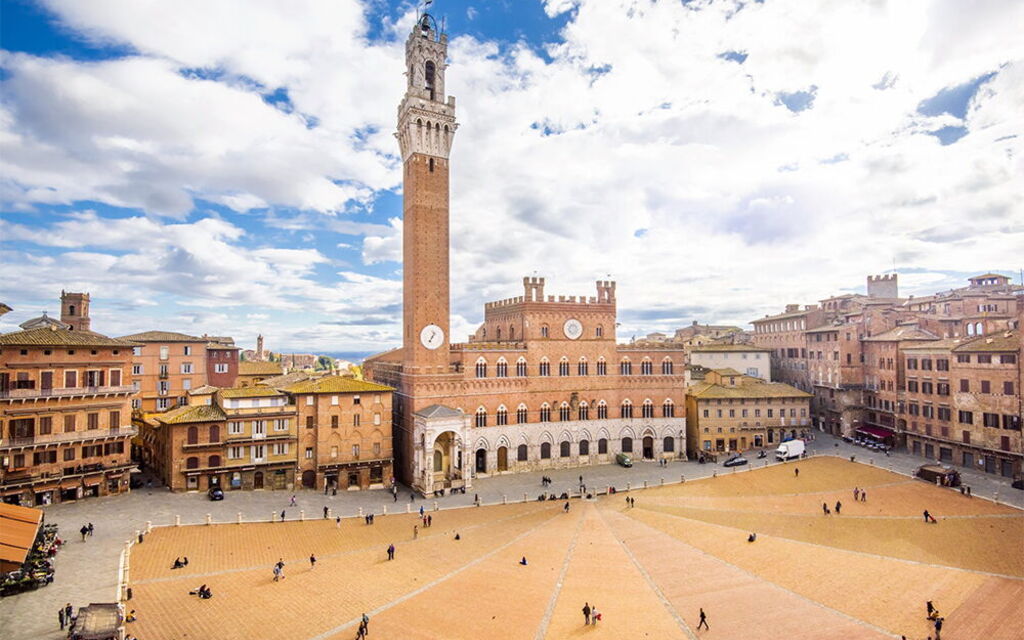
Explore Siena and its surroundings: discover the magic of Piazza del Campo, the extraordinary opening of the Duomo’s marble floor, Chianti vineyards, and San Galgano’s mythic sword.
If you are staying at one of our properties across Lucca, Pisa, or Pistoia, there is a day trip you absolutely cannot miss. Located just a bit further south, Siena is about 120-140 km from the cities of our "perfect triangle."How to get there: The best way to reach it from the coast or northern Tuscany is by car (about 1.5 to 2 hours), taking the Florence-Siena highway (FI-PI-LI up to Florence and then the southbound junction), which offers a pleasant, scenic drive through the rolling hills of Chianti. If you prefer the charm of rail travel, there are excellent train connections: Tuscan Regional lines are highly convenient and perfect for cycling enthusiasts, allowing you to easily bring your bike along for the ride.Siena is a city that has remained magically untouched since the 14th century. A masterpiece of red brick and winding, uphill alleys, it treasures centuries-old traditions and a surrounding territory that looks as if it were painted by a Renaissance master.What to do in the city…Step into the heart of Piazza del Campo: This world-famous, shell-shaped square is truly one of a kind. Lie down on its warm bricks—just like the locals do—and admire the majesty of the Palazzo Pubblico and the Torre del Mangia soaring into the sky. If you want to enjoy a bird's-eye view of the square, stop for a coffee, gelato, or an aperitif at La Costarella bar, a unique spot featuring a splendid private terrace overlooking the square.Experience the adrenaline and culture of the Palio: This is the event that defines the very soul of Siena. Beyond its tourist appeal and the passionate debates that such a visceral event can spark (especially regarding animal welfare), the Palio is not just a horse race, it is the core of social life for the Contrade (neighborhoods), keeping locals engaged all year round. The Palio takes place twice a year: on July 2nd and August 16th. If you visit during these periods, you will breathe in an atmosphere of vibrant and authentic medieval passion.The Duomo, the Gate of Heaven: A Gothic marvel in white, red, and green marble that leaves visitors speechless with its grandeur even before crossing the threshold. Inside, it houses extraordinary masterpieces, including the beautiful Piccolomini Library, magnificamente frescoed by Pinturicchio. If you want to see the Cathedral from a different perspective, you can do so by looking out from its very top. The Porta del Cielo tour, opened only recently, allows you to visit a series of rooms that were inaccessible for enturies to anyone except the master builders directed by history's greatest architects. Reaching above the starry vaults, you can walk "above" the sacred temple and admire breathtaking panoramic views both "inside" and "outside" the Cathedral.Hidden gems… the spectacular uncovered floorThere is an extra reason to plan your visit to Siena during this season: the chance to walk on what Giorgio Vasari defined as "the most beautiful, largest, and most magnificent floor that was ever made."The marble carpet of the Duomo: Normally protected by covered sheets to prevent wear and tear, this incredible mosaic floor made of 56 marble panels is revealed to the public for just a few weeks a year. In 2026, the dates to mark in your calendar for this wonder are from June 27th to July 31st, from August 18th to October 30th, and from November 1st to November 15th. It is a unique opportunity to admire biblical stories and philosophical allegories carved into stone by great Renaissance masters.Vineyards, clay hills, and mysticism: heading out of townPhotograph the Crete Senesi and Val d'Orcia: If you are looking for those iconic Tuscan landscapes with cypress-lined avenues and golden hills, drive south. Pienza, San Quirico d'Orcia, and the moon-like landscapes of the Crete Senesi will yield the most beautiful photos of your trip.The mystery of the sword in the stone at San Galgano Abbey: About 40 minutes from Siena lies one of the most evocative places in Tuscany: a massive, roofless 13th-century Gothic abbey where the floor is made of grass and the sky serves as the ceiling. Just a few steps away, in the Hermitage of Montesiepi, you can see with your own eyes the real "sword in the stone" embedded by the knight Galgano in 1180.A toast among the vineyards of Chianti Classico: Before heading back north, treat yourself to a stop in Chianti. The homeland of Italy's most famous wine is dotted with fortified villages like Castellina and Radda, perfect for a cellar wine tasting.Your Tuscan refuge awaitsOnce back home, there is nothing better than sipping a glass of Sienese red wine by the pool or in the garden to wind down a Tuscan day you will surely never forget!Discover our available properties and book your favorite:
Chianti e SienaIl Troscione - 10 SleepsVilla Santalberto - 12 SleepsLucca e dintorniPisa e dintorniPistoia e dintorniIn Versilia
Chianti e SienaIl Troscione - 10 SleepsVilla Santalberto - 12 SleepsLucca e dintorniPisa e dintorniPistoia e dintorniIn Versilia
Tutti al mare: An Insider’s Guide to a Versilia Beach Holiday
Saturday, June 27, 2026,
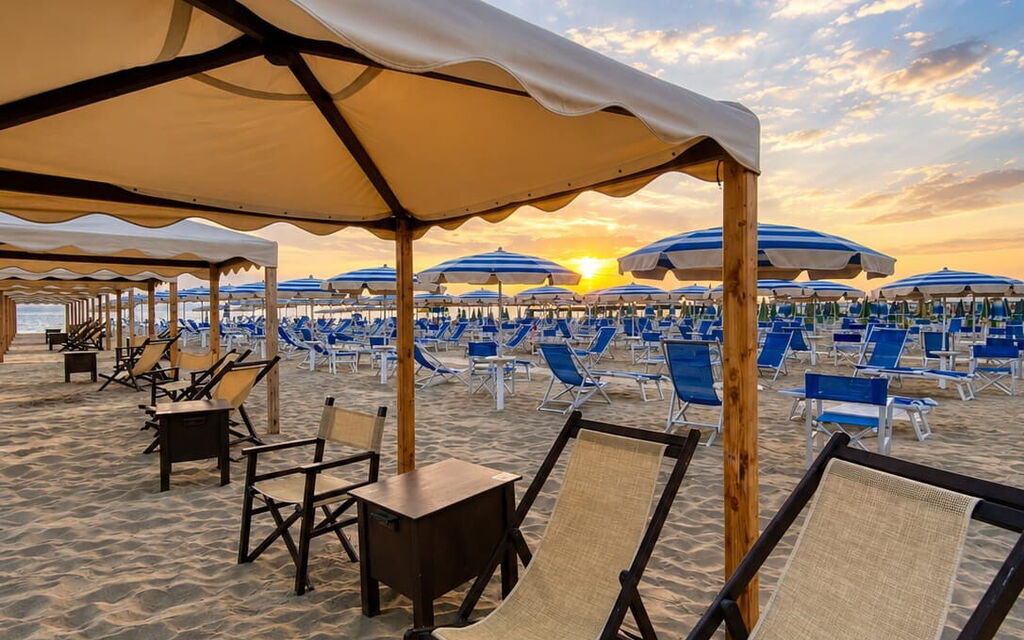
From the wild dunes of La Lecciona to the exclusive luxury of Forte dei Marmi: how to experience the Tuscan summer like a true local.
The beaches of Versilia are famous for a reason: a long stretch of golden sand, elegant beach clubs, centuries-old pine forests, and the dramatic peaks of the Apuan Alps framing the landscape.From Viareggio to Forte dei Marmi, passing through Lido di Camaiore and Marina di Pietrasanta, every town offers a different atmosphere. Whether you are looking for luxury, a relaxing family stay, or untamed coastal nature, Versilia has the perfect beach for you.Here is our selection of the best beaches on the coast and practical tips to enjoy them like a local.1. La Lecciona: The Wild and Untamed ParadiseIf you love nature and want to escape the summer crowds, La Lecciona beach is a small paradise. Located between Viareggio and Torre del Lago, it is the last large stretch of completely free coastline in Versilia, protected within the Migliarino San Rossore Massaciuccoli Natural Park.The Vibe: Kilometers of dunes, golden sand, Mediterranean scrub, and the scent of helichrysum. There are no sunbeds, umbrellas, or bars: silence rules here.What to Do: Behind the beach lies a path immersed in maritime pines. It connects Viareggio to the mouth of the Serchio river and is perfect for a morning walk or bike ride.Useful Tips: Being a protected area, it has no facilities. Remember to bring water, food, a beach umbrella (important if you travel with children or pets), and comfortable shoes to walk through the dune path.Good to Know: Right in the middle of the path between Viareggio and Torre del Lago is one of the most famous and historic official naturist beaches in Tuscany.2. Viareggio: Tradition, Liberty Style, and RelaxationViareggio is the historic heart of Versilia, famous for its Art Nouveau (Liberty style) promenade, its Carnival, and its prestigious shipbuilding tradition. It offers wide beaches and clubs ideal for those seeking comfort and excellent seafood.RECOMMENDED BEACH CLUBS:Bagno Sauro Fuori Onda (Città Giardino Area): Combines great professionalism, excellent beach services, and a seafood restaurant that locals absolutely love. [Discover their Instagram profile]Bagno Rossella (Marina di Levante): Located in a quieter area, it is ideal for those seeking relaxation, well-kept cabins, large shaded areas, and a great culinary selection. [Discover their Instagram profile]THE THURSDAY MORNING RITUAL:If you are in the area on a Thursday morning, drop by the large open-air market that spreads along the Promenade and the downtown streets. If you walk as far as Piazza Cavour, stop for a coffee paired with the legendary baked bombolone (custard-filled pastry) at Pasticceria Patalani.AFTERNOON AND APERITIVO:After the beach, cool down with gelato from Laboratorio del Gelato. For an aperitivo, the go-to spots for locals are Enoteca Sergio or Mamo Food & Drinks.3. Lido di Camaiore: Casual Vibe and FamiliesNestled between Viareggio and Marina di Pietrasanta, Lido di Camaiore is a dynamic yet relaxed destination, much loved by families. The seafront promenade and the modern pier, perfect for enjoying a sunset aperitivo, are the focus of town life.RECOMMENDED BEACH CLUBS:Bagno Belmare: Young, fresh, and welcoming. Its main highlight is the panoramic terrace, ideal for a light lunch or a sunset aperitivo suspended between the sea and the mountains. On summer evenings, it is pleasant to stay for some live music. In addition, the club provides free bicycles for guests, perfect for a ride along the promenade. [Discover their Instagram profile]4. Marina di Pietrasanta: Elegance and Premium ComfortThe areas of Tonfano and Marina di Pietrasanta represent the perfect balance between family relaxation and high-level services. The waters are shallow and sandy, ideal for children, and many beach clubs offer pools, play areas, and evening dining.WHERE TO GO TO THE BEACH:Bagno Carlo: A historic beach club in an excellent position in Tonfano, perfect as a base if you want to take a break from the sea on Saturday morning to visit the characteristic local market. [Visit the website]Exclusive Luxury: If you are looking for an elite experience, the Panama Beach Restaurant Versilia by Borsalino offers private tents, a Carrara marble pool, VIP areas, and a refined restaurant open from breakfast until late at night.GOURMET PITSTOPS:If you want to taste the classic local focaccine (thin, savory filled focaccias), you can't go wrong at:Il Bocconcino A Me Mi 5. Forte dei Marmi: The Icon of Italian Luxury LifestyleForte dei Marmi needs no introduction: it is the definitive symbol of beach elegance in the Mediterranean. Here, holidays are spent between exclusive beach clubs with wide spaces between the tents, high-fashion boutiques, and historic cafes.THE MOST RENOWNED BEACH CLUBS:International guests choose Forte dei Marmi for its total discretion. Among the best-known spots are the historic Bagno Piero, Alpemare, Bagno Alcione, and the private Bagno Santamaria, which features only 30 tents and 20 umbrellas to guarantee maximum privacy.THE "EASY CHIC" ALTERNATIVE:Levante del Forte (formerly Bagno alle Boe): A great newcomer accessible to everyone that recovers the authentic spirit of Forte dei Marmi from the '60s and '70s, reinterpreted in a contemporary and relaxed key. [Discover their Instagram profile]THE PERFECT DAY AT THE FORTE:A perfect day includes a quick focaccina at Da Valé, an aperitivo at the iconic Caffè Principe, and an evening stroll among the lights of the town center. On Wednesday and Sunday mornings, the appointment is in Piazza Marconi with the famous Mercato del Forte, where you can find iconic clothing and unique items.Find Your Perfect Home in VersiliaWhether you are looking for a holiday filled with luxury, wild nature, or family relaxation, the best way to experience Versilia is from a private, exclusive, and comfortable base.Explore our selection of villas and exclusive properties close to the sea to live the Tuscan summer like a true insider: • Villa Tomeoni • Villa Maestrale • Villa Le Poiane • La Costa • La Collina • Villa Fedora • La Casa nel bosco • Bianca Dimora • Il Castagno al Grillo • Il Pino al Grillo • Casa Tania-> Discover all our properties in Versilia and book your stay for the summer
Tutti al mare: An Insider’s Guide to a Versilia Beach Holiday: Read More
Vicopisano & Buti Festivals 2026: Authentic Tuscan Food, Traditions and Medieval Charm
Saturday, June 20, 2026,
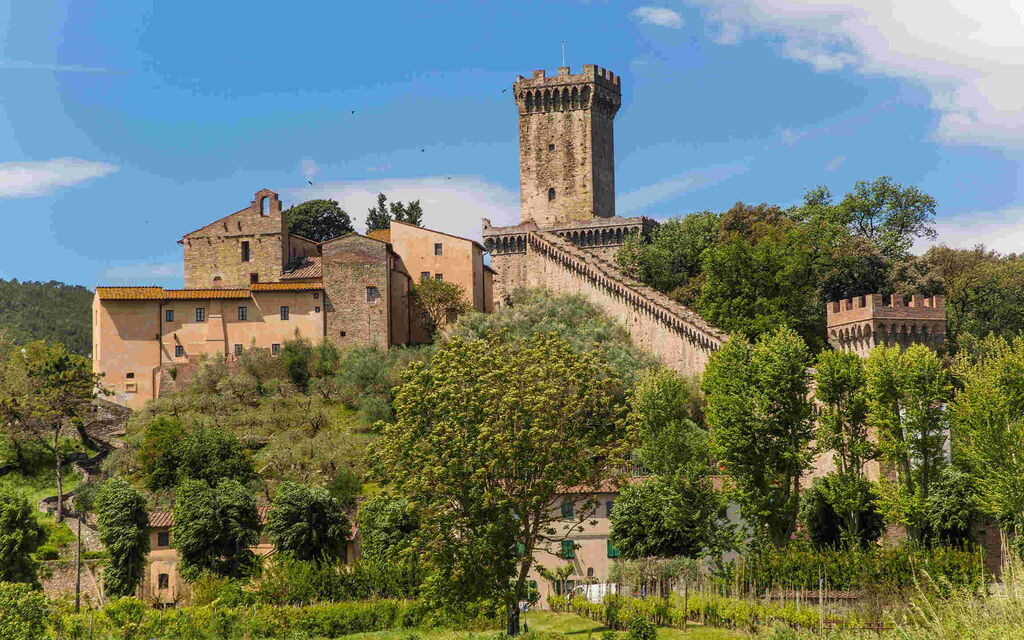
Vicopisano & Buti Festivals 2026: Authentic Tuscan Food, Traditions and Medieval Charm
If you are looking for a quieter, more authentic side of Tuscany, the area between Vicopisano, Buti, Cascine di Buti, Santa Maria a Monte and the Valdera offers a wonderful surprise.Away from the busiest tourist destinations, these villages still celebrate the seasons with traditional festivals organised by local communities. Homemade food, live music, regional wines and recipes passed down through generations create an atmosphere that feels genuinely Tuscan.This is where you discover the Tuscany that locals know and love.To learn more about the tradition of Tuscan village festivals, we also recommend reading our complete guide:Tuscany Village Festivals 2026: The Tuscanhouses Guide to Experiencing Tuscany Like a LocalJune 2026Farmers' FestivalLocation: Cascine di ButiDates: June 12–14, 2026Celebrate the flavours of rural Tuscany with homemade soups, salt cod, traditional country cooking and genuine village hospitality.Fried Dough FestivalLocation: Quattro Strade di PerignanoDates: June 13–21, 2026A local favourite dedicated to freshly fried dough, one of Tuscany's simplest and most delicious traditional street foods.Tripe FestivalLocation: Cerretti, Santa Maria a MonteDates: June 19–28, 2026One of Tuscany's oldest culinary traditions comes to life during this festival, where tripe is prepared according to recipes preserved by local families for generations.Chicken & Tuscan Soup FestivalLocation: ButiDates: June 12–21, 2026A classic village festival combining grilled chicken with the famous Tuscan bread soup in a relaxed and welcoming atmosphere.July 2026Stringozzi with Cinta Senese FestivalLocation: ButiDates: Late June – Early JulyFresh handmade pasta meets the renowned Cinta Senese pork, creating one of the area's most authentic culinary experiences.Frog FestivalLocation: Cascine di ButiOne of the oldest food festivals in the area, celebrating a unique local speciality that has long been part of the rural culinary tradition.Porchetta, Pork Knuckle & Craft Beer FestivalLocation: ButiDates: July 10–19, 2026Slow-roasted pork, craft beer, live entertainment and summer evenings full of local atmosphere make this one of the liveliest festivals of the season.Paella & Sangria FestivalLocation: Cascine di ButiDates: July 10–19, 2026Although inspired by Spanish flavours, this cheerful celebration has become a favourite summer event among local residents and visitors alike.Maccheroni FestivalLocation: ButiDates: July 24–26, 2026Fresh homemade pasta takes centre stage during one of Buti's longest-running and most popular food festivals.Porcini Mushroom FestivalLocation: Cascine di ButiFrom: 25 July - 3 Aug 2026One of Tuscany's favourite seasonal ingredients is celebrated through a wide variety of traditional recipes, from handmade pasta to grilled specialities.August 2026August is the perfect month to discover the rich flavours of Tuscan country cooking. Wild mushrooms, handmade pasta, game meat and local traditions take centre stage throughout the area.Pappardelle & Fried Rabbit FestivalLocation: ButiHomemade pappardelle and crispy fried rabbit are among the traditional dishes that make this festival a favourite with local families.Wild Boar FestivalLocation: ButiDates: August 21–30, 2026Wild boar has always been one of the defining flavours of Tuscan country cooking. This festival offers generous portions, traditional recipes and a wonderfully authentic atmosphere.Fish & Sports FestivalLocation: Uliveto TermeThroughout AugustFresh seafood, outdoor dining, live entertainment and community celebrations make this one of the area's most enjoyable summer events.September 2026Maccheroni FestivalLocation: ButiDates: September 4–6, 2026The final weekend of the Maccheroni Festival closes the summer with another celebration of homemade pasta and Tuscan hospitality.Vicopisano Medieval FestivalLocation: VicopisanoDates: September 5–6, 2026The beautiful medieval village of Vicopisano becomes an open-air journey through history.Knights, musicians, artisans, medieval markets and historical reenactments fill the streets, while the impressive Brunelleschi Fortress overlooks the celebrations.Visitors can enjoy traditional taverns, historical performances and the famous Medieval Dinner, making this one of Tuscany's most atmospheric historical festivals.If you choose just one event in this area, make it this one.Where to Stay to Explore Vicopisano and the ValderaMany of these events are located just a short drive from Tuscanhouses properties.
These properties are perfectly located for exploring Vicopisano, Buti, the Valdera and the surrounding countryside. We particularly recommend:
Casa Di DanteCasa degli Olivi di Dante Casa Dei Gigli di DanteOur team will be delighted to help you discover the most authentic corners of Tuscany.Because the best travel memories are often created far from the busiest tourist routes.
Have You Found Your Tuscan Retreat Yet?The music fades.The village squares become quiet once again.The scent of wood-fired cooking slowly disappears into the evening air.But the memories of these authentic Tuscan celebrations remain forever.Discover our carefully selected villas and holiday homes and experience Tuscany through the eyes of those who call it home.Explore Tuscanhouses Properties.Your next Tuscan adventure begins here.
These properties are perfectly located for exploring Vicopisano, Buti, the Valdera and the surrounding countryside. We particularly recommend:
Casa Di DanteCasa degli Olivi di Dante Casa Dei Gigli di DanteOur team will be delighted to help you discover the most authentic corners of Tuscany.Because the best travel memories are often created far from the busiest tourist routes.
Have You Found Your Tuscan Retreat Yet?The music fades.The village squares become quiet once again.The scent of wood-fired cooking slowly disappears into the evening air.But the memories of these authentic Tuscan celebrations remain forever.Discover our carefully selected villas and holiday homes and experience Tuscany through the eyes of those who call it home.Explore Tuscanhouses Properties.Your next Tuscan adventure begins here.
Vicopisano & Buti Festivals 2026: Authentic Tuscan Food, Traditions and Medieval Charm: Read More