Beyond the scapegoat: the risk factor and the real causes of the housing crisis
Tuesday, January 13, 2026,
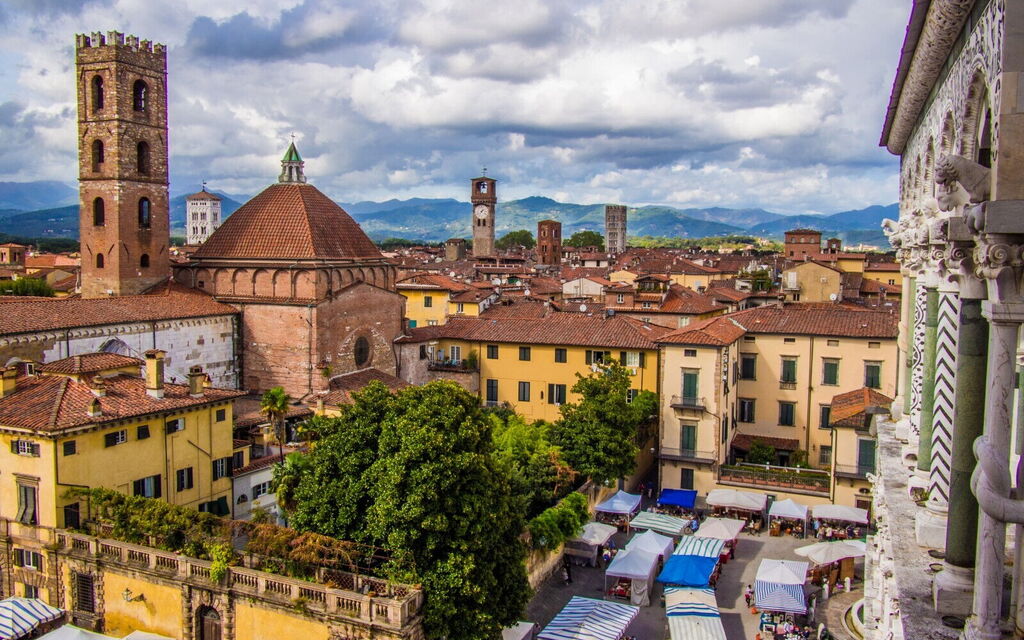
Beyond simplified narratives: understanding the root causes of the housing crisis and the role of private owners.
Short-term rentals under attack: an analysis between perception, reality and regulationIn recent years, short-term rentals have increasingly become the focus of a heated public debate. In Italy, in particolare, they are often portrayed as one of the main causes of housing shortages, rising rents, and the reduced availability of long-term accommodation for residents. The narrative is simple and effective: more homes used for tourism mean fewer homes for local communities. As a result, short-term rentals have become an easy and visible target for restrictions, higher taxation, and tighter regulation.Reality, however, is far more complex.Housing pressure is driven by structural factors that go far beyond tourism. We are talking about a lack of long-term housing policies, demographic shifts, urban concentration, and slow construction processes. Short-term rentals are part of this system, but they are rarely its primary cause — especially outside major metropolitan areas.Take Tuscany, for example. In many parts of the region, short-term rentals represent only a small percentage of the overall housing stock. Yet, we see the same restrictive measures applied uniformly, without distinguishing between areas under severe pressure and those where the impact is limited. This approach risks addressing symptoms rather than underlying causes. It’s also vital to acknowledge that not all operators are the same: there is a clear distinction between large-scale companies managing dozens of units and private owners renting out a family property for limited periods. Treating these realities as identical simplifies the debate but rarely leads to effective solutions.But why is this sector always the target?One reason is visibility. These rentals are easy to identify, easy to regulate, and easy to communicate about in a political campaign. Restricting them creates the impression of swift, decisive action. But visibility does not equate to responsibility. A far less discussed — yet crucial — aspect of the housing crisis is why many owners are so reluctant to offer long-term rentals in the first place.For many, the shift away from traditional leases is driven not by higher profitability, but by risk. In Italy, landlords face significant uncertainty. When rent payments stop, even after two missed months, the legal procedures to regain possession can take months or even years. During this time, the owner continues to bear costs, taxes, and maintenance obligations without any effective protection. This lack of real safeguards plays a major role in reducing long-term supply.If landlords were offered concrete guarantees — such as the ability to recover possession promptly — confidence in long-term renting would increase significantly. Clear and enforceable rules would make traditional leases a viable option again for many. Such measures would likely have a much greater impact on housing availability than any restriction on short-term rentals, because they address the core issue: the fear of non-payment and prolonged legal uncertainty.We must also consider how our expectations have evolved. Many people are no longer willing to live in properties that lack modern standards, such as parking, elevators, or outdoor spaces like balconies and gardens. Our daily habits have changed, and this directly affects the type of homes people are willing to rent long-term. Not all properties meet today’s expectations, and this influences demand regardless of whether tourists are present or not.Restricting short-term rentals without addressing these deeper dynamics does not automatically encourage long-term leasing. Often, it leads to unintended consequences: properties withdrawn from the market altogether, homes left vacant, or the growth of informal rental arrangements. Regulation is necessary, but it works only when it is targeted, balanced, and based on real market dynamics rather than simplified assumptions.Finding effective solutions means acknowledging that there is no single answer. We need clear, proportionate rules that reflect social changes and the needs of those who live in and invest in our communities. Only then can a constructive dialogue and truly sustainable housing policies take shape.
Beyond the scapegoat: the risk factor and the real causes of the housing crisis: Read More
What property owners need to know about taxation, regulations and compliance
Saturday, January 3, 2026,

Short-term rentals in Italy: tax updates and legal requirements for 2026
Over the past few years, the regulatory and tax framework for short-term rentals in Italy has become increasingly complex and, at times, difficult for property owners to interpret. Following the final approval of the latest regulations, we believe it is useful to provide some clarity by summarising the main tax updates and recalling the legal obligations already in force, using a practical and straightforward approach.This article is intended for informational purposes only and does not replace the advice of your accountant or trusted consultant, with whom it is always essential to consult before making any operational decisions.
Taxation of short-term rentals in Italy: what changes in 2026
The flat tax regime (cedolare secca) continues to apply to short-term rentals, but with different rates depending on the number of properties used for this purpose. Specifically, the rate remains at 21% for the first property, while it increases to 26% from the second property.
One of the most relevant changes concerns the threshold at which a presumption of business activity applies. From the third property used for short-term rentals, the activity is generally considered to be carried out in an entrepreneurial form. This threshold has therefore been lowered compared to the past.
Where a presumption of business activity applies, VAT registration becomes mandatory, with the possibility to choose between the flat-rate tax regime, if eligibility requirements are met, or the ordinary tax regime.
Before making any fiscal decisions or changing the way a property is managed, it is always advisable to consult your accountant, taking into account your overall income, the number of properties owned and your medium- to long-term objectives.
Legal requirements for short-term rentals in Italy
In addition to tax matters, it is important to remember that short-term rental activity involves a number of mandatory legal requirements, which are already in force and often subject to inspections.
Each property used for tourist rentals must be registered in the National Accommodation Database and assigned an identification code (CIN or CIR). This code must be included in all online listings and promotional materials, and must also be displayed outside the property, in accordance with local regulations.
If the rental activity is carried out in an entrepreneurial form, or when the legal requirements are met, the SCIA filing with the local municipality is mandatory and must be completed before starting the activity.
Particular attention should also be paid to property safety requirements. Mandatory equipment includes properly installed and regularly serviced fire extinguishers, smoke detectors and, where required, carbon monoxide detectors, as well as the general compliance of installations and safety systems.
Operational obligations also include the communication of guests’ details to the competent authorities (for example via the Alloggiati Web system), the correct management of tourist tax where it is not automatically collected by booking platforms, and compliance with regional and local regulations, which may vary significantly from one area to another.
A conscious and sustainable approach to short-term rentals
In light of an increasingly structured regulatory environment, we believe it is essential to avoid rushed decisions and adopt a conscious and sustainable approach to managing properties used for short-term rentals.
Each situation is different and requires a personalised assessment, taking into account not only tax aspects but also the owner’s objectives, the characteristics of the property and the reference market.
Tuscanhouses support for property owners
Tuscanhouses supports property owners by providing informational and operational assistance, helping them navigate regulations, taxation and property management.
For those wishing to explore their individual situation or assess the most suitable solutions, it is possible to request an initial, no-obligation consultation. Reach us at elisa@tuscanhouses.com________________________________________
Article updated in accordance with current regulations, January 2026.
Taxation of short-term rentals in Italy: what changes in 2026
The flat tax regime (cedolare secca) continues to apply to short-term rentals, but with different rates depending on the number of properties used for this purpose. Specifically, the rate remains at 21% for the first property, while it increases to 26% from the second property.
One of the most relevant changes concerns the threshold at which a presumption of business activity applies. From the third property used for short-term rentals, the activity is generally considered to be carried out in an entrepreneurial form. This threshold has therefore been lowered compared to the past.
Where a presumption of business activity applies, VAT registration becomes mandatory, with the possibility to choose between the flat-rate tax regime, if eligibility requirements are met, or the ordinary tax regime.
Before making any fiscal decisions or changing the way a property is managed, it is always advisable to consult your accountant, taking into account your overall income, the number of properties owned and your medium- to long-term objectives.
Legal requirements for short-term rentals in Italy
In addition to tax matters, it is important to remember that short-term rental activity involves a number of mandatory legal requirements, which are already in force and often subject to inspections.
Each property used for tourist rentals must be registered in the National Accommodation Database and assigned an identification code (CIN or CIR). This code must be included in all online listings and promotional materials, and must also be displayed outside the property, in accordance with local regulations.
If the rental activity is carried out in an entrepreneurial form, or when the legal requirements are met, the SCIA filing with the local municipality is mandatory and must be completed before starting the activity.
Particular attention should also be paid to property safety requirements. Mandatory equipment includes properly installed and regularly serviced fire extinguishers, smoke detectors and, where required, carbon monoxide detectors, as well as the general compliance of installations and safety systems.
Operational obligations also include the communication of guests’ details to the competent authorities (for example via the Alloggiati Web system), the correct management of tourist tax where it is not automatically collected by booking platforms, and compliance with regional and local regulations, which may vary significantly from one area to another.
A conscious and sustainable approach to short-term rentals
In light of an increasingly structured regulatory environment, we believe it is essential to avoid rushed decisions and adopt a conscious and sustainable approach to managing properties used for short-term rentals.
Each situation is different and requires a personalised assessment, taking into account not only tax aspects but also the owner’s objectives, the characteristics of the property and the reference market.
Tuscanhouses support for property owners
Tuscanhouses supports property owners by providing informational and operational assistance, helping them navigate regulations, taxation and property management.
For those wishing to explore their individual situation or assess the most suitable solutions, it is possible to request an initial, no-obligation consultation. Reach us at elisa@tuscanhouses.com________________________________________
Article updated in accordance with current regulations, January 2026.
What property owners need to know about taxation, regulations and compliance: Read More
Renting Your Home to Tourists: Why Choosing a Professional Really Pays Off
Friday, September 5, 2025,
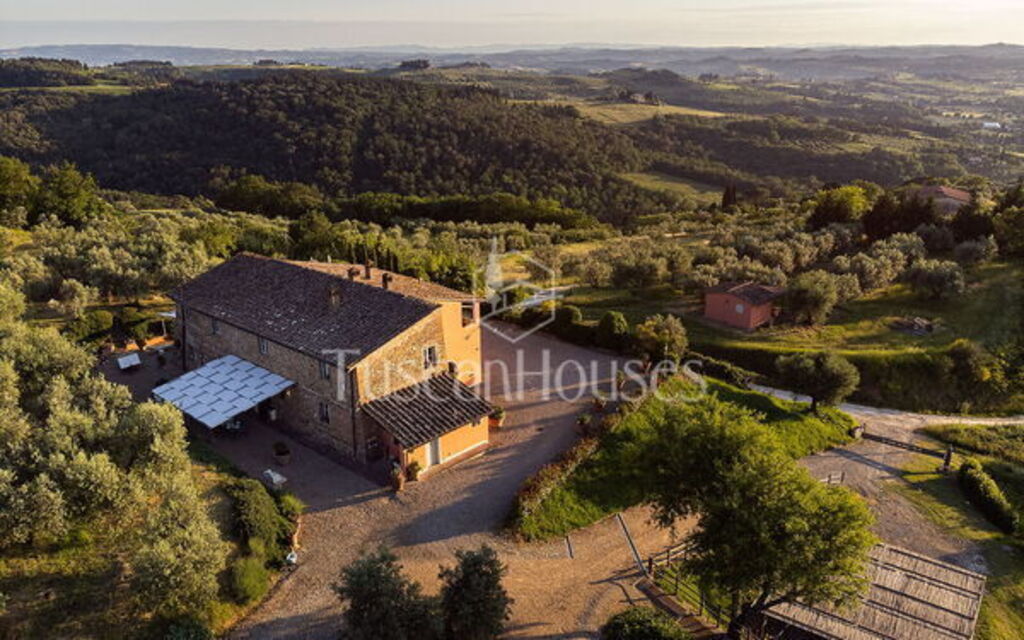
Thinking about renting your home to tourists? With Tuscanhouses, you get professional property management: from preparing your home to promoting it online, from check-in to cleaning. Turn your property into a hassle-free hospitality experience.
Renting out a room, a second home, or a vacation apartment can be a great source of income. But turning this idea into reality involves much more than just posting a listing online.That’s why relying on a professional makes all the difference.A Home Ready to WelcomeIt’s not enough to open the door and hand over the keys: today’s travelers expect comfort, cleanliness, and functionality.A professional ensures everything is in place — linens, kitchenware, working appliances, Wi-Fi, and more — making sure every detail helps your guest feel truly at home.Fully Compliant with the LawShort-term rental laws are strict and constantly evolving — from the CIN (National Identification Code) to energy certifications, fire extinguishers, gas detectors, and more.A professional knows all the legal requirements, keeps your property compliant, and helps you avoid unpleasant surprises or fines.Great Photos & Maximum Online VisibilityPhotos matter — especially when choosing where to stay on vacation.Professionals work with experienced photographers to showcase your home in the best light. They don’t just post an ad; they list your property on national and international platforms as well as their own website, ensuring it reaches the right audience.Stress-Free Cleaning & Check-InManaging cleanings, key handovers, arrivals, and departures can become a full-time job.A professional takes care of it all: check-in, check-out, housekeeping, linen changes — ensuring your home is always ready for the next guest, without you having to lift a finger.A Point of Contact for GuestsWelcoming a tourist means more than just providing a bed.Guests want to feel supported, guided, and safe. A professional provides all the necessary information about the home, the area, and available local experiences. And most importantly, they’re always available to handle any issues — from a broken appliance to last-minute questions or emergencies.Peace of Mind for the OwnerBy trusting a professional, your property becomes more appealing and profitable — and you gain peace of mind.No last-minute stress, no bureaucratic headaches, no logistical juggling: just the assurance that everything is handled with care and expertise.In Conclusion?Renting your home to tourists is a great opportunity — but doing it well requires time, experience, and organization.A professional helps you turn your property into a true hospitality experience, with no stress and the confidence of offering top-quality service.If you’re thinking of renting your home to tourists, contact Tuscanhouses – Holiday rentals in Tuscany & Lucca: your home could become the gateway to an unforgettable stay.
Renting Your Home to Tourists: Why Choosing a Professional Really Pays Off: Read More