What is the tourist tax and how does it work?
Monday, March 17, 2025,

Everything vacation rental owners need to know about rates, collection, and compliance.
If you own a holiday home or manage a short-term rental in Tuscany, understanding how the tourist tax works is essential. Each municipality can set different rates, exemptions and seasonal rules, which makes it important for property owners to stay informed and compliant.
In this guide, you will find a clear explanation of how the tourist tax works in Italy and an updated overview of the main tourist destinations in Tuscany.
What is the tourist tax in Italy?
The tourist tax is a local levy that Italian municipalities may apply to guests staying in accommodation facilities, including holiday homes, tourist apartments and short-term rentals.
It was introduced by Legislative Decree No. 23 of 14 March 2011 and is mainly applied in tourist areas and cities of historical or cultural interest.
Each municipality can independently decide:
• whether to introduce the tax
• the amount to be charged
• how many nights it applies to
• possible exemptions
National legislation generally sets a maximum amount of €5 per person per night, although specific authorisations may apply — as in the case of Florence, which applies a higher rate as a premier global art destination.
Who has to pay the tourist tax?
The tourist tax is paid by guests, while property owners or rental managers are responsible for collecting and managing it.
Depending on local regulations, the tax is usually paid at check-in or before departure.
Property owners are typically required to:
• collect the tax from guests
• register their property on the municipal portal
• report guest stays and overnight numbers
• transfer the collected amounts within the required deadlines
Exemptions often apply to minors below a certain age, people with disabilities and accompanying persons, as well as specific professional categories.
Tourist tax rates in Tuscany for Tourist Rentals (2026)
Below is a comprehensive overview of the tourist tax currently applied in the municipalities we manage, organised by province.
Municipality
Rate per person per night
Maximum number of nights
Minor exemption
Seasonal notes
— Province of Florence —
Florence
€6.00
7 nights
under 12 years
Applies all year round
— Province of Lucca —
Lucca
€3.50
3 nights
under 14 years
Applies all year round
Capannori
€2.00
3 nights
under 14 years
Applies all year round
Pescaglia
€2.00
5 nights
under 14 years
Applies all year round
Viareggio
€1.50
10 nights
under 18 years
Applies all year round
Camaiore
€1.50
7 nights
under 14 years
From 1 June to 30 September
Massarosa
€1.50
5 nights
under 18 years
Applies all year round
Forte dei Marmi
€1.50
7 nights
under 15 years
From 1 June to 15 September
Pietrasanta
€1.50
7 nights
under 14 years
From 1 June to 30 September
— Province of Pistoia —
Pistoia
€1.00
5 nights
under 14 years
Applies all year round
Serravalle Pistoiese
€1.00
5 nights
under 12 years
Applies all year round
Montecatini Terme
€1.00
7 nights
under 12 years
20% reduction in December and January
— Province of Pisa —
Pisa
€2.50
5 nights (high) / 3 (low)
under 12 years
High season Easter to November
— Province of Siena —
Siena
€2.00
4 nights
under 12 years
Applies all year round
San Gimignano
€1.50
5 nights
under 14 years
From 1 March to 31 October
— Province of Arezzo —
Cortona
€2.50
4 nights
under 12 years
50% reduction in winter months
The information provided in this article is for general informational purposes only and does not constitute legal or tax advice. Tourist tax rates and regulations may change at any time. Tuscanhouses accepts no responsibility for any inaccuracies or omissions. Property owners are always advised to verify current rates and rules directly with their local municipality or a qualified professional.
Special focus: the Florence city tax
As one of the world's most visited art cities, Florence applies a specific rate of €6.00 per person per night for holiday rentals, above the standard national cap.
A few key points for hosts managing properties in Florence:
• Major booking platforms such as Airbnb typically collect this tax automatically on behalf of hosts
• For direct bookings, the host is responsible for collecting the tax manually
• The tax applies for a maximum of 7 consecutive nights per stay
• Revenue is reinvested in the maintenance of the city's UNESCO World Heritage sites
How is the tourist tax managed?
In most Tuscan municipalities, the management of the tourist tax is now largely digital. Property owners must usually register their accommodation on a dedicated online platform in order to:
• access operational guidelines and local regulations
• submit guest stay declarations
• calculate the tax due
• make payments, often via the PagoPA system
Correctly managing the tourist tax is an important legal obligation and helps ensure a transparent and professional experience for guests.
Why staying updated is essential for property owners
In recent years, more and more municipalities in Tuscany have introduced or revised their tourist tax regulations. For owners of holiday homes and short-term rentals, staying informed is crucial to avoid penalties and manage bookings efficiently.
Working with a professional local agency can significantly simplify administrative tasks, pricing strategies and guest communication.
Need support with your holiday rental in Tuscany?
Managing the tourist tax is only one aspect of running a successful holiday rental.
If you own a property in Tuscany and would like professional assistance with bookings, pricing optimisation, guest services and legal compliance, Tuscanhouses can help you maximise your rental income with complete peace of mind.
Contact us for tailored advice on renting out your property in Tuscany.
In this guide, you will find a clear explanation of how the tourist tax works in Italy and an updated overview of the main tourist destinations in Tuscany.
What is the tourist tax in Italy?
The tourist tax is a local levy that Italian municipalities may apply to guests staying in accommodation facilities, including holiday homes, tourist apartments and short-term rentals.
It was introduced by Legislative Decree No. 23 of 14 March 2011 and is mainly applied in tourist areas and cities of historical or cultural interest.
Each municipality can independently decide:
• whether to introduce the tax
• the amount to be charged
• how many nights it applies to
• possible exemptions
National legislation generally sets a maximum amount of €5 per person per night, although specific authorisations may apply — as in the case of Florence, which applies a higher rate as a premier global art destination.
Who has to pay the tourist tax?
The tourist tax is paid by guests, while property owners or rental managers are responsible for collecting and managing it.
Depending on local regulations, the tax is usually paid at check-in or before departure.
Property owners are typically required to:
• collect the tax from guests
• register their property on the municipal portal
• report guest stays and overnight numbers
• transfer the collected amounts within the required deadlines
Exemptions often apply to minors below a certain age, people with disabilities and accompanying persons, as well as specific professional categories.
Tourist tax rates in Tuscany for Tourist Rentals (2026)
Below is a comprehensive overview of the tourist tax currently applied in the municipalities we manage, organised by province.
Municipality
Rate per person per night
Maximum number of nights
Minor exemption
Seasonal notes
— Province of Florence —
Florence
€6.00
7 nights
under 12 years
Applies all year round
— Province of Lucca —
Lucca
€3.50
3 nights
under 14 years
Applies all year round
Capannori
€2.00
3 nights
under 14 years
Applies all year round
Pescaglia
€2.00
5 nights
under 14 years
Applies all year round
Viareggio
€1.50
10 nights
under 18 years
Applies all year round
Camaiore
€1.50
7 nights
under 14 years
From 1 June to 30 September
Massarosa
€1.50
5 nights
under 18 years
Applies all year round
Forte dei Marmi
€1.50
7 nights
under 15 years
From 1 June to 15 September
Pietrasanta
€1.50
7 nights
under 14 years
From 1 June to 30 September
— Province of Pistoia —
Pistoia
€1.00
5 nights
under 14 years
Applies all year round
Serravalle Pistoiese
€1.00
5 nights
under 12 years
Applies all year round
Montecatini Terme
€1.00
7 nights
under 12 years
20% reduction in December and January
— Province of Pisa —
Pisa
€2.50
5 nights (high) / 3 (low)
under 12 years
High season Easter to November
— Province of Siena —
Siena
€2.00
4 nights
under 12 years
Applies all year round
San Gimignano
€1.50
5 nights
under 14 years
From 1 March to 31 October
— Province of Arezzo —
Cortona
€2.50
4 nights
under 12 years
50% reduction in winter months
The information provided in this article is for general informational purposes only and does not constitute legal or tax advice. Tourist tax rates and regulations may change at any time. Tuscanhouses accepts no responsibility for any inaccuracies or omissions. Property owners are always advised to verify current rates and rules directly with their local municipality or a qualified professional.
Special focus: the Florence city tax
As one of the world's most visited art cities, Florence applies a specific rate of €6.00 per person per night for holiday rentals, above the standard national cap.
A few key points for hosts managing properties in Florence:
• Major booking platforms such as Airbnb typically collect this tax automatically on behalf of hosts
• For direct bookings, the host is responsible for collecting the tax manually
• The tax applies for a maximum of 7 consecutive nights per stay
• Revenue is reinvested in the maintenance of the city's UNESCO World Heritage sites
How is the tourist tax managed?
In most Tuscan municipalities, the management of the tourist tax is now largely digital. Property owners must usually register their accommodation on a dedicated online platform in order to:
• access operational guidelines and local regulations
• submit guest stay declarations
• calculate the tax due
• make payments, often via the PagoPA system
Correctly managing the tourist tax is an important legal obligation and helps ensure a transparent and professional experience for guests.
Why staying updated is essential for property owners
In recent years, more and more municipalities in Tuscany have introduced or revised their tourist tax regulations. For owners of holiday homes and short-term rentals, staying informed is crucial to avoid penalties and manage bookings efficiently.
Working with a professional local agency can significantly simplify administrative tasks, pricing strategies and guest communication.
Need support with your holiday rental in Tuscany?
Managing the tourist tax is only one aspect of running a successful holiday rental.
If you own a property in Tuscany and would like professional assistance with bookings, pricing optimisation, guest services and legal compliance, Tuscanhouses can help you maximise your rental income with complete peace of mind.
Contact us for tailored advice on renting out your property in Tuscany.
Goodbye to self check-in and key boxes. Starting November 18, 2024, a new regulation in Italy changes the rules.
Monday, March 3, 2025,
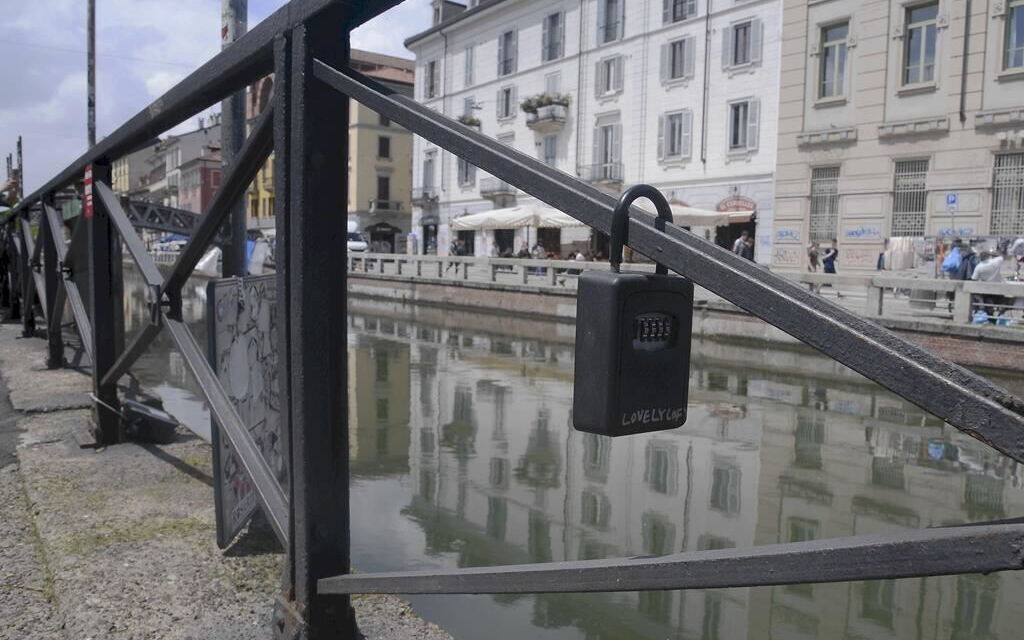
Goodbye to self check-in and key boxes. Starting November 18, 2024, a new regulation in Italy changes the rules.
Self check-in has long been a convenient solution for both guests and vacation rental owners, allowing flexible access to accommodations without the need for a physical meeting with the host. However, starting November 18, 2024, a new regulation in Italy changes the rules.New Rules on Self Check-inThe Ministry of the Interior has introduced a ban on the use of automated systems such as key boxes and electronic locks for check-in, requiring personal identification of guests upon arrival. This measure aims to enhance public security and prevent unidentified individuals from staying in accommodations without being reported to the authorities.What Does This Mean for Property Owners?For vacation rental owners, this change requires an update in guest reception procedures. It will no longer be possible to leave keys in automated devices without meeting the guest in person. Online check-in is still allowed, enabling hosts to collect guest information in advance, provided that identity verification is conducted in person upon arrival.The Importance of SecurityThe new regulations are based on Article 109 of the Consolidated Law on Public Security (TULPS), which mandates that hosts verify guest identification documents and submit the data to the police via the Alloggiati Web portal within 24 hours of arrival. With the continuous growth of tourism in Italy, this regulation aims to ensure a safer welcome for travelers and more transparent management for property owners.What Are the Alternatives?Vacation rental owners must adapt to ensure proper guest identification. Possible solutions include:In-person check-in or delegation to a trusted operator.Use of external hospitality services.Implementation of digital pre-registration procedures, followed by on-site identity verification.A Growing Sector: Opportunities for Property OwnersComplying with the new rules not only helps avoid penalties but also contributes to building a safer and more professional short-term rental market.Do you own a rental property and want to avoid complications? Entrust it to Tuscan Houses – we’ll take care of the management efficiently and in full compliance with regulations.