Three nearby destinations combining culture, countryside and seaside charm in the heart of Tuscany
Friday, May 15, 2026,
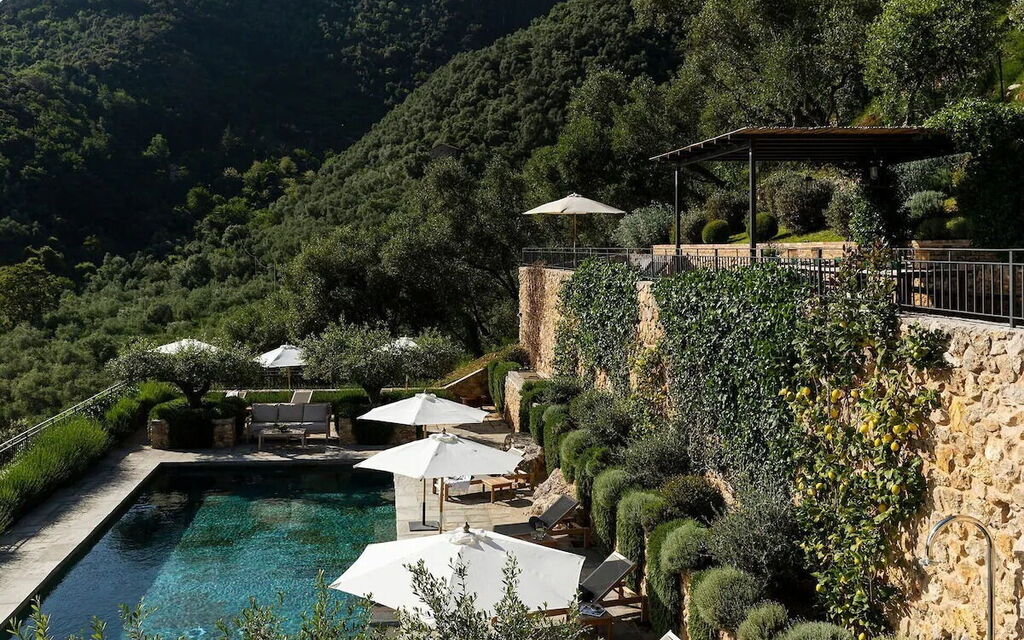
Looking for the perfect base for your next holiday in Tuscany? Discover Lucca, Pisa and Pistoia: three destinations just a short distance from one another, offering the perfect mix of culture, rolling green hills and beautiful beaches within easy reach. Here you’ll find inspiration for your next stay with Tuscanhouses.
Three iconic cities, three distinct personalities, and one great advantage: they are so close together that you don’t have to choose just one. While Lucca, Pisa and Pistoia once rivaled each other in medieval times, today they create the ideal combination for travelers seeking an authentic side of Tuscany, away from mass tourism, yet perfectly connected to everything.Choosing this area for your next holiday home means enjoying a different landscape every day: mornings wandering through historic city walls, afternoons among olive groves and vineyards in the hills, and evenings dining in a hidden countryside trattoria or along the Versilia coastline.
A Matter of Geography: Three Destinations Within Easy Reach
Forget long drives. Lucca and Pisa are only 20 kilometers apart, separated by the green silhouette of Monte Pisano, around 20 minutes by car or just 15 minutes by train. Pistoia, the perfect gateway to Florence, can be reached in about 30 minutes from Lucca and just a little longer from Pisa.Getting around is incredibly easy, whether by car or by the regional railway network connecting all three cities. Cycling enthusiasts will also appreciate the bike transport service available on Tuscany Line regional trains, making it simple to bring your bicycle and explore the area freely.
Choose Your Style: Historic Center or Hillside Retreat
One of the greatest strengths of Tuscanhouses properties in this area is their variety. Every location offers two completely different ways to experience Tuscany:
Experience the Historic Center
Perfect for travelers who love waking up to the aroma of coffee drifting from the piazza, exploring on foot or by bike through historic shops, elegant palaces and authentic local restaurants.
Experience the HillsIdeal for those seeking total relaxation, silence and a private swimming pool overlooking endless olive groves and vineyards — all while knowing that the city and its services are never more than ten minutes away.
The 3 Areas at a Glance
1. Lucca and Surroundings: Elegance, Historic Walls and the Versilia CoastLucca is love at first sight. Its historic center, enclosed by extraordinary Renaissance walls — entirely walkable and bike-friendly — feels like an elegant open-air living room, free from traffic and full of charm.In the surrounding hills, areas such as Capannori and Montecarlo are famous for excellent wines and olive oil mills producing delicate extra virgin olive oil. Further north, toward Pescaglia, countryside homes become refreshing retreats nestled at the foot of the Apuan Alps.Beach Bonus From here, the Versilia coast is just around the corner. Choose between the glamour of Forte dei Marmi, the Liberty-style charm of Viareggio, the artistic soul of Pietrasanta, or the perfect mix of village atmosphere and seaside life in Camaiore.[Read our agile guide to Lucca and its surroundings to plan your itinerary.]
2. Pisa and Surroundings: Beyond the Tower, Between River and CountrysideEveryone knows Piazza dei Miracoli, but the true soul of Pisa reveals itself along the Lungarni riverside streets. It is a vibrant university city, youthful and dynamic, filled with hidden alleys, lively markets and historic palaces reflected in the waters of the Arno River. Logistics here are unbeatable, thanks in part to the international airport.In the Hills Just beyond the urban routes, the Pisan countryside unfolds through gentle hills dotted with perfectly preserved medieval villages and ancient olive groves — ideal for anyone seeking a relaxing yet strategically located holiday.[Read our agile guide to Pisa and its surroundings to plan your itinerary.]3. Pistoia and Surroundings: Authenticity, Art and the Gateway to FlorencePistoia is Tuscany’s best-kept secret. Less crowded yet incredibly rich in art and history, it boasts one of Italy’s most beautiful medieval squares, Piazza del Duomo, and an intimate atmosphere where authentic Tuscan daily life still thrives among local markets and traditional trattorias.In the Hills The Pistoia area offers lush nature, hiking trails, vineyards and nearby thermal spas. It is also the most convenient base for planning day trips to Florence.[Read our agile guide to Pistoia and its surroundings to plan your itinerary.]
Why Is This the Perfect Choice for Your Holiday?Whether you are looking for beaches, culture, food and wine experiences or shopping, everything is within easy reach. Boredom simply doesn’t exist here, and every day can be planned with complete freedom.But the real added value, at the end of the day, is returning to one of our Tuscanhouses properties: carefully selected homes with attention to every detail, countryside villas surrounded by greenery with private gardens, and beautiful residences featuring exclusive swimming pools. The perfect retreat to make your Tuscan holiday truly unforgettable.Tuscanhouses properties in Lucca and SurroundingsTuscanhouses properties in Versilia and SeasideTuscanhouses properties in Pisa and SurroundingsTuscanhouses properties in Pistoia and Surroundings
A Matter of Geography: Three Destinations Within Easy Reach
Forget long drives. Lucca and Pisa are only 20 kilometers apart, separated by the green silhouette of Monte Pisano, around 20 minutes by car or just 15 minutes by train. Pistoia, the perfect gateway to Florence, can be reached in about 30 minutes from Lucca and just a little longer from Pisa.Getting around is incredibly easy, whether by car or by the regional railway network connecting all three cities. Cycling enthusiasts will also appreciate the bike transport service available on Tuscany Line regional trains, making it simple to bring your bicycle and explore the area freely.
Choose Your Style: Historic Center or Hillside Retreat
One of the greatest strengths of Tuscanhouses properties in this area is their variety. Every location offers two completely different ways to experience Tuscany:
Experience the Historic Center
Perfect for travelers who love waking up to the aroma of coffee drifting from the piazza, exploring on foot or by bike through historic shops, elegant palaces and authentic local restaurants.
Experience the HillsIdeal for those seeking total relaxation, silence and a private swimming pool overlooking endless olive groves and vineyards — all while knowing that the city and its services are never more than ten minutes away.
The 3 Areas at a Glance
1. Lucca and Surroundings: Elegance, Historic Walls and the Versilia CoastLucca is love at first sight. Its historic center, enclosed by extraordinary Renaissance walls — entirely walkable and bike-friendly — feels like an elegant open-air living room, free from traffic and full of charm.In the surrounding hills, areas such as Capannori and Montecarlo are famous for excellent wines and olive oil mills producing delicate extra virgin olive oil. Further north, toward Pescaglia, countryside homes become refreshing retreats nestled at the foot of the Apuan Alps.Beach Bonus From here, the Versilia coast is just around the corner. Choose between the glamour of Forte dei Marmi, the Liberty-style charm of Viareggio, the artistic soul of Pietrasanta, or the perfect mix of village atmosphere and seaside life in Camaiore.[Read our agile guide to Lucca and its surroundings to plan your itinerary.]
2. Pisa and Surroundings: Beyond the Tower, Between River and CountrysideEveryone knows Piazza dei Miracoli, but the true soul of Pisa reveals itself along the Lungarni riverside streets. It is a vibrant university city, youthful and dynamic, filled with hidden alleys, lively markets and historic palaces reflected in the waters of the Arno River. Logistics here are unbeatable, thanks in part to the international airport.In the Hills Just beyond the urban routes, the Pisan countryside unfolds through gentle hills dotted with perfectly preserved medieval villages and ancient olive groves — ideal for anyone seeking a relaxing yet strategically located holiday.[Read our agile guide to Pisa and its surroundings to plan your itinerary.]3. Pistoia and Surroundings: Authenticity, Art and the Gateway to FlorencePistoia is Tuscany’s best-kept secret. Less crowded yet incredibly rich in art and history, it boasts one of Italy’s most beautiful medieval squares, Piazza del Duomo, and an intimate atmosphere where authentic Tuscan daily life still thrives among local markets and traditional trattorias.In the Hills The Pistoia area offers lush nature, hiking trails, vineyards and nearby thermal spas. It is also the most convenient base for planning day trips to Florence.[Read our agile guide to Pistoia and its surroundings to plan your itinerary.]
Why Is This the Perfect Choice for Your Holiday?Whether you are looking for beaches, culture, food and wine experiences or shopping, everything is within easy reach. Boredom simply doesn’t exist here, and every day can be planned with complete freedom.But the real added value, at the end of the day, is returning to one of our Tuscanhouses properties: carefully selected homes with attention to every detail, countryside villas surrounded by greenery with private gardens, and beautiful residences featuring exclusive swimming pools. The perfect retreat to make your Tuscan holiday truly unforgettable.Tuscanhouses properties in Lucca and SurroundingsTuscanhouses properties in Versilia and SeasideTuscanhouses properties in Pisa and SurroundingsTuscanhouses properties in Pistoia and Surroundings
Short-term rentals and home care in the heart of Tuscany
Friday, May 8, 2026,
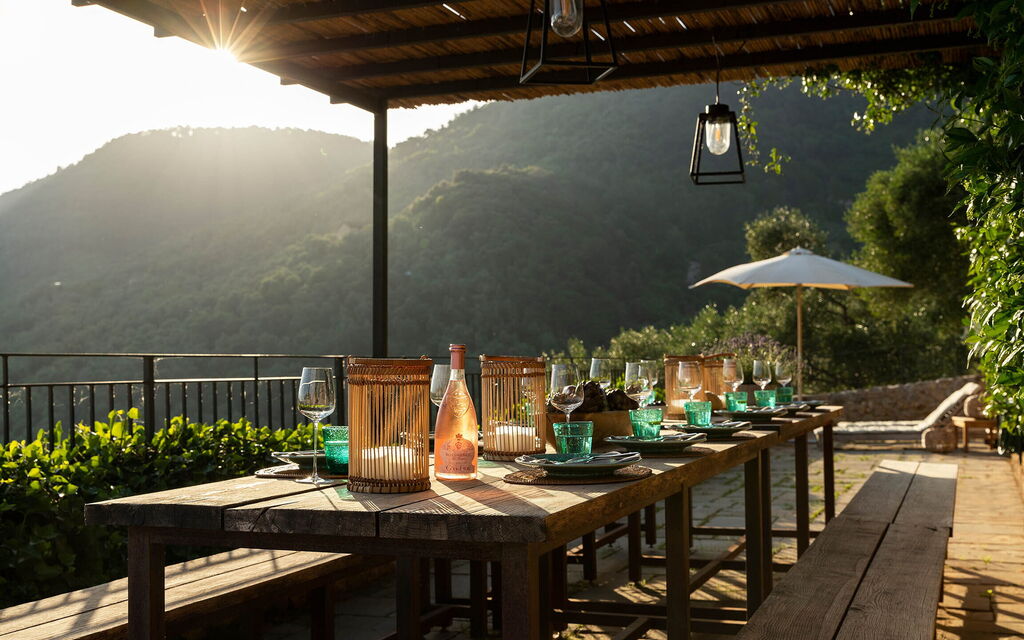
Renting Out a Home in Lucca: What Truly Happens Behind a Flawless Guest Experience
Lucca and its surrounding hills are not a postcard. They are a place made of balance — between culture and everyday life, between beauty and discretion. To me, they feel like a painting brought to life, the birthplace of Giacomo Puccini’s music, the quiet retreats once chosen by the Bonaparte family. A land that does not need to raise its voice to be loved.From here, everything feels within reach. The beaches of Versilia are just minutes away. In a little over an hour, the landscape changes again, opening up to the mountains of Garfagnana and Abetone — where, as locals like to say, if you learn to ski there, you can ski anywhere.
This is where it all begins. With a beauty that feels authentic and never staged.
Over the years, I’ve met many homeowners who wanted to open their homes to this territory but didn’t know where to start. Some were enthusiastic, others cautious, others simply overwhelmed by everything involved: pricing, cleaning, guests, regulations, maintenance, communication, unexpected situations. I understood them all.
Because short-term rentals in Lucca can be a wonderful opportunity — but they also require constant dedication, structure, and a truly professional approach.
At the same time, this work has naturally led me to look after homes that are not necessarily rented out. Properties lived in only part of the year, second homes owned by families who live elsewhere, houses that simply need continuity and care. I’ve learned that taking care of a home is not only about welcoming guests. It is also about being present when the house is quiet, when it is closed, when small things need attention long before they turn into problems.
The “Behind the Scenes” of a Flawless Property
Beyond the poetry of the landscape, managing a property in Lucca requires a rigorous and consistent approach. In my experience, there are a few invisible elements that truly make the difference between a house that simply exists online and a property that genuinely performs well.
Proactive Maintenance
A house in the Tuscan hills breathes and changes with the seasons. We do not wait for a leak, a boiler failure, or an electrical issue to appear. We work proactively, implementing seasonal inspections and regular check-ups to ensure everything is functioning perfectly before the first guest — or the owner — arrives.
The Administrative Side Nobody Sees
From Questura registrations to tourist tax declarations, compliance has become an essential part of property management in Italy. Managing a holiday rental in Lucca today means keeping up with regulations, reporting systems, guest documentation, and operational deadlines that cannot be overlooked. Most owners discover only later how much time and precision this side of the work actually requires.A Home Is Alive
One thing I’ve learned over the years is that a property should never feel static. The light changes, the garden changes, the atmosphere changes with every season. Even the way a house is presented should evolve naturally throughout the year.
A home is not simply photographed once and forgotten. It has a rhythm, a personality, and a story that should continue to feel alive over time. Anyone who visits Lucca feels it immediately: it is a place people fall in love with. Not because it overwhelms, but because it feels liveable, human, and deeply rooted in its own rhythm. Demand for rentals exists throughout the year, from the historic centre to the hills and vineyards surrounding Montecarlo.
But behind every well-functioning home there is far more than visibility or demand. I often hear people say: “I thought I’d just list it online and the bookings would roll in.” Reality is very different.Behind each stay there are constant conversations, spotless cleaning, quality control, maintenance coordination, guest support, and unexpected situations that need to be handled calmly and professionally. My approach has always been simple: I treat every home as if it were my own. When I walk into a house for the first time, I listen to its story. I look at how the light moves through the rooms, at the spaces, at the details that give it character. Whether the property is a full-time holiday rental or simply a private home that needs care throughout the year, the goal remains the same: to protect it, preserve it, and allow it to breathe naturally over time.If you are thinking about renting out your home in Lucca, or if you simply need someone reliable to care for it while you are away, let’s talk. We can look at the house together, understand its strengths and its limits, and see whether we are the right fit to look after it together. Send us an email at: info@tuscanhouses.com
This is where it all begins. With a beauty that feels authentic and never staged.
Over the years, I’ve met many homeowners who wanted to open their homes to this territory but didn’t know where to start. Some were enthusiastic, others cautious, others simply overwhelmed by everything involved: pricing, cleaning, guests, regulations, maintenance, communication, unexpected situations. I understood them all.
Because short-term rentals in Lucca can be a wonderful opportunity — but they also require constant dedication, structure, and a truly professional approach.
At the same time, this work has naturally led me to look after homes that are not necessarily rented out. Properties lived in only part of the year, second homes owned by families who live elsewhere, houses that simply need continuity and care. I’ve learned that taking care of a home is not only about welcoming guests. It is also about being present when the house is quiet, when it is closed, when small things need attention long before they turn into problems.
The “Behind the Scenes” of a Flawless Property
Beyond the poetry of the landscape, managing a property in Lucca requires a rigorous and consistent approach. In my experience, there are a few invisible elements that truly make the difference between a house that simply exists online and a property that genuinely performs well.
Proactive Maintenance
A house in the Tuscan hills breathes and changes with the seasons. We do not wait for a leak, a boiler failure, or an electrical issue to appear. We work proactively, implementing seasonal inspections and regular check-ups to ensure everything is functioning perfectly before the first guest — or the owner — arrives.
The Administrative Side Nobody Sees
From Questura registrations to tourist tax declarations, compliance has become an essential part of property management in Italy. Managing a holiday rental in Lucca today means keeping up with regulations, reporting systems, guest documentation, and operational deadlines that cannot be overlooked. Most owners discover only later how much time and precision this side of the work actually requires.A Home Is Alive
One thing I’ve learned over the years is that a property should never feel static. The light changes, the garden changes, the atmosphere changes with every season. Even the way a house is presented should evolve naturally throughout the year.
A home is not simply photographed once and forgotten. It has a rhythm, a personality, and a story that should continue to feel alive over time. Anyone who visits Lucca feels it immediately: it is a place people fall in love with. Not because it overwhelms, but because it feels liveable, human, and deeply rooted in its own rhythm. Demand for rentals exists throughout the year, from the historic centre to the hills and vineyards surrounding Montecarlo.
But behind every well-functioning home there is far more than visibility or demand. I often hear people say: “I thought I’d just list it online and the bookings would roll in.” Reality is very different.Behind each stay there are constant conversations, spotless cleaning, quality control, maintenance coordination, guest support, and unexpected situations that need to be handled calmly and professionally. My approach has always been simple: I treat every home as if it were my own. When I walk into a house for the first time, I listen to its story. I look at how the light moves through the rooms, at the spaces, at the details that give it character. Whether the property is a full-time holiday rental or simply a private home that needs care throughout the year, the goal remains the same: to protect it, preserve it, and allow it to breathe naturally over time.If you are thinking about renting out your home in Lucca, or if you simply need someone reliable to care for it while you are away, let’s talk. We can look at the house together, understand its strengths and its limits, and see whether we are the right fit to look after it together. Send us an email at: info@tuscanhouses.com
Short-term rentals and home care in the heart of Tuscany: Read More
Spring in Tuscany: Markets, Villages and the Best of the Season
Thursday, April 23, 2026,
Before the crowds, after the grey: April and May in Tuscany are the best-kept secret
Why spring (here) works better
In summer, Tuscany is stunning, but it’s also predictable.
In spring, it’s not. Days gradually grow longer, just enough to stay outside without checking the time. Temperatures are perfect for walking, sitting in the sun, moving around without needing shelter. The rush stops being a priority.
And in all this, normal life makes the difference. You notice it when you walk into a café, where the customers are the regulars. Or strolling through market stalls where people no longer hurry away, but browse slowly, choosing with care.And it’s in this exact moment that you understand: spring is the best time to be in Tuscany.
No hit-and-run tourism, no forced pace. Fewer crowds, easier travel, restaurants accessible without long waits, a more relaxed rhythm—and often, lower costs.
In this more livable Tuscany, even finding a good place to stay is less complicated than in peak season.
Markets, from the inside
Going to the market in Tuscany is a habit.
Weekly markets shape everyday life: fruit and vegetables, local products, clothing, household items. Every area has its own day, and the market moves with a precise rhythm from cities to smaller towns.
In cities, market days are often twice a week: in Lucca, Pisa and Pistoia, for example, every Wednesday and Saturday. In smaller towns, markets usually come once a week (Friday in Camaiore, Thursday in Viareggio, Saturday in Vico Pisano).
In Versilia, the Mercato del Forte is an institution. A reference point for those looking for quality clothing, cashmere, home linens, ceramics and objects—often at interesting prices. It takes place every Wednesday from 8:00 to 13:30 and, from spring to October, also on Sundays in Piazza Marconi in Forte dei Marmi.
Then there are the farmers’ markets. In Lucca, for example, every Saturday (from 7:00 to 13:00) at the Foro Boario you’ll find vegetables, fruit, grains, legumes, dairy products, eggs, meat—strictly seasonal and locally sourced. Properly made and brought directly by small local farms.
Antiques: dates to mark down
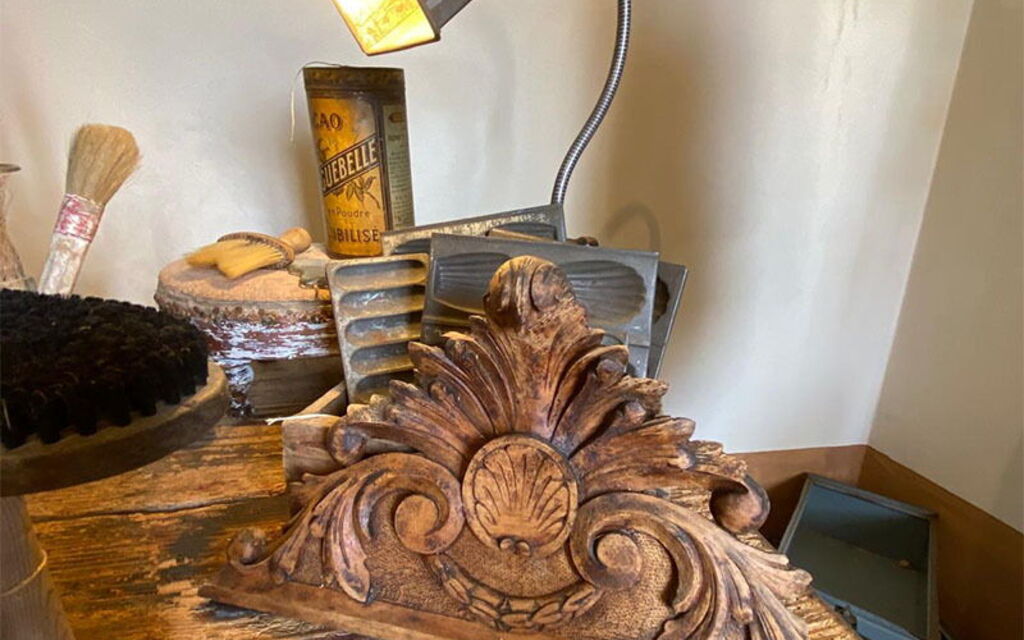
Alongside weekly markets, there are monthly antique fairs, which return in spring to enliven squares and historic centers.
Arezzo. Antiques Fair
Why go. The oldest and most prestigious in Italy. With over 200 exhibitors, you can find everything: objects, furnishings, period furniture, jewelry, rare books, prints, ceramics, coins, toys, vintage clothing, paintings, and collectible curiosities.When. First Sunday of the month and the Saturday before, in Piazza Grande and the historic center.
Lucca. Antiques Market
Why go. The stalls are set among Lucca’s historic squares and most charming corners, making it a great way to discover the city.When. Third Sunday of the month and the Saturday before, within the city walls (Piazza Antelminelli and surrounding areas).
Camaiore – Camaiore Antiqua
Why go. Created to enhance the area year-round, it’s a reference point for lovers of vintage, mid-century, and brocante.When. Fourth Saturday of the month (excluding July and August), in the pedestrian historic center.
Villages, before the pace changes
Villages and hilly areas are at their best in this season: Lucca and its surroundings, Garfagnana, Val d’Orcia, the countryside around Arezzo. Sometimes the best choice is to take a detour, follow a secondary road, stop somewhere unplanned.
You may find yourself in quiet streets, small squares, and silent buildings, towns born in the medieval era, overcrowded in summer but accessible and welcoming in spring. You might stumble upon a local festival or village celebration not even advertised, events designed more for those who live there than for visitors. And that’s exactly what makes them interesting.
Events worth not missing
Lucca – Saint Zita Flower and Sweets Festival
Why go. A celebration of spring that turns the historic center into a true garden, dedicated to the “Saint of Flowers.” Taking part means stepping into the heart of Lucca’s traditions: strolling through the colorful stalls of Piazza Anfiteatro, choosing plants and flowers, tasting the traditional dolci di erbi.When. April 23–27, 2026
Marlia (Lucca) – Marcia delle Ville
Why go. Set in the hills around Lucca, this walk (Saturday, April 25, 2026) crosses beautiful landscapes among historic residences and monumental villas open for the occasion. A different way to explore the area—through nature, architecture, and convivial stops.When. Saturday, April 25, 2026
Calcinaia (Pisa) – Sagra della Nozza
Why go. The culture of a place also passes through its food. For those who want to truly enter the rhythm of Tuscany, joining a food festival is always a good idea. These are simple but authentic moments, where food tells stories that have existed for generations.
The Sagra della Nozza is dedicated to a traditional rural sweet: a cone-shaped wafer flavored with anise and rosolio, enjoyed as it is or filled with whipped cream.When. May 16–17, 2026
Pistoia – Pistoia in Fiore
Why go. For two days, the streets in the heart of the city turn into a large open-air exhibition, with an extraordinary variety of plants, flowers, natural essences, garden accessories, and artisan creations.
When. Friday, May 22 and Saturday, May 23, 2026
A few practical tips
What to wear.
In Tuscany in spring, expect warm, sunny days but evenings that can still be crisp. The best approach is layering—or as they say in Tuscany, dressing “like an onion.” A T-shirt, a shirt, a sweater, and a windproof jacket, especially if you plan to spend the whole day outdoors.
And of course, comfortable shoes, always.
When to book.
April and May are no longer “in-between” months. They are increasingly in demand, especially by those looking for peace and quiet, so the best options sell out sooner than you might expect.
Spring is short, and more sought after than ever. If you’re planning a trip during this time, now is the right moment to find your villa in Tuscany, before the pace changes.
In summer, Tuscany is stunning, but it’s also predictable.
In spring, it’s not. Days gradually grow longer, just enough to stay outside without checking the time. Temperatures are perfect for walking, sitting in the sun, moving around without needing shelter. The rush stops being a priority.
And in all this, normal life makes the difference. You notice it when you walk into a café, where the customers are the regulars. Or strolling through market stalls where people no longer hurry away, but browse slowly, choosing with care.And it’s in this exact moment that you understand: spring is the best time to be in Tuscany.
No hit-and-run tourism, no forced pace. Fewer crowds, easier travel, restaurants accessible without long waits, a more relaxed rhythm—and often, lower costs.
In this more livable Tuscany, even finding a good place to stay is less complicated than in peak season.
Markets, from the inside
Going to the market in Tuscany is a habit.
Weekly markets shape everyday life: fruit and vegetables, local products, clothing, household items. Every area has its own day, and the market moves with a precise rhythm from cities to smaller towns.
In cities, market days are often twice a week: in Lucca, Pisa and Pistoia, for example, every Wednesday and Saturday. In smaller towns, markets usually come once a week (Friday in Camaiore, Thursday in Viareggio, Saturday in Vico Pisano).
In Versilia, the Mercato del Forte is an institution. A reference point for those looking for quality clothing, cashmere, home linens, ceramics and objects—often at interesting prices. It takes place every Wednesday from 8:00 to 13:30 and, from spring to October, also on Sundays in Piazza Marconi in Forte dei Marmi.
Then there are the farmers’ markets. In Lucca, for example, every Saturday (from 7:00 to 13:00) at the Foro Boario you’ll find vegetables, fruit, grains, legumes, dairy products, eggs, meat—strictly seasonal and locally sourced. Properly made and brought directly by small local farms.
Antiques: dates to mark down
Alongside weekly markets, there are monthly antique fairs, which return in spring to enliven squares and historic centers.
Arezzo. Antiques Fair
Why go. The oldest and most prestigious in Italy. With over 200 exhibitors, you can find everything: objects, furnishings, period furniture, jewelry, rare books, prints, ceramics, coins, toys, vintage clothing, paintings, and collectible curiosities.When. First Sunday of the month and the Saturday before, in Piazza Grande and the historic center.
Lucca. Antiques Market
Why go. The stalls are set among Lucca’s historic squares and most charming corners, making it a great way to discover the city.When. Third Sunday of the month and the Saturday before, within the city walls (Piazza Antelminelli and surrounding areas).
Camaiore – Camaiore Antiqua
Why go. Created to enhance the area year-round, it’s a reference point for lovers of vintage, mid-century, and brocante.When. Fourth Saturday of the month (excluding July and August), in the pedestrian historic center.
Villages, before the pace changes
Villages and hilly areas are at their best in this season: Lucca and its surroundings, Garfagnana, Val d’Orcia, the countryside around Arezzo. Sometimes the best choice is to take a detour, follow a secondary road, stop somewhere unplanned.
You may find yourself in quiet streets, small squares, and silent buildings, towns born in the medieval era, overcrowded in summer but accessible and welcoming in spring. You might stumble upon a local festival or village celebration not even advertised, events designed more for those who live there than for visitors. And that’s exactly what makes them interesting.
Events worth not missing
Lucca – Saint Zita Flower and Sweets Festival
Why go. A celebration of spring that turns the historic center into a true garden, dedicated to the “Saint of Flowers.” Taking part means stepping into the heart of Lucca’s traditions: strolling through the colorful stalls of Piazza Anfiteatro, choosing plants and flowers, tasting the traditional dolci di erbi.When. April 23–27, 2026
Marlia (Lucca) – Marcia delle Ville
Why go. Set in the hills around Lucca, this walk (Saturday, April 25, 2026) crosses beautiful landscapes among historic residences and monumental villas open for the occasion. A different way to explore the area—through nature, architecture, and convivial stops.When. Saturday, April 25, 2026
Calcinaia (Pisa) – Sagra della Nozza
Why go. The culture of a place also passes through its food. For those who want to truly enter the rhythm of Tuscany, joining a food festival is always a good idea. These are simple but authentic moments, where food tells stories that have existed for generations.
The Sagra della Nozza is dedicated to a traditional rural sweet: a cone-shaped wafer flavored with anise and rosolio, enjoyed as it is or filled with whipped cream.When. May 16–17, 2026
Pistoia – Pistoia in Fiore
Why go. For two days, the streets in the heart of the city turn into a large open-air exhibition, with an extraordinary variety of plants, flowers, natural essences, garden accessories, and artisan creations.
When. Friday, May 22 and Saturday, May 23, 2026
A few practical tips
What to wear.
In Tuscany in spring, expect warm, sunny days but evenings that can still be crisp. The best approach is layering—or as they say in Tuscany, dressing “like an onion.” A T-shirt, a shirt, a sweater, and a windproof jacket, especially if you plan to spend the whole day outdoors.
And of course, comfortable shoes, always.
When to book.
April and May are no longer “in-between” months. They are increasingly in demand, especially by those looking for peace and quiet, so the best options sell out sooner than you might expect.
Spring is short, and more sought after than ever. If you’re planning a trip during this time, now is the right moment to find your villa in Tuscany, before the pace changes.
Spring in Tuscany: Markets, Villages and the Best of the Season: Read More